
Service
Garage Door Service Built for Glendale's Older Housing Stock
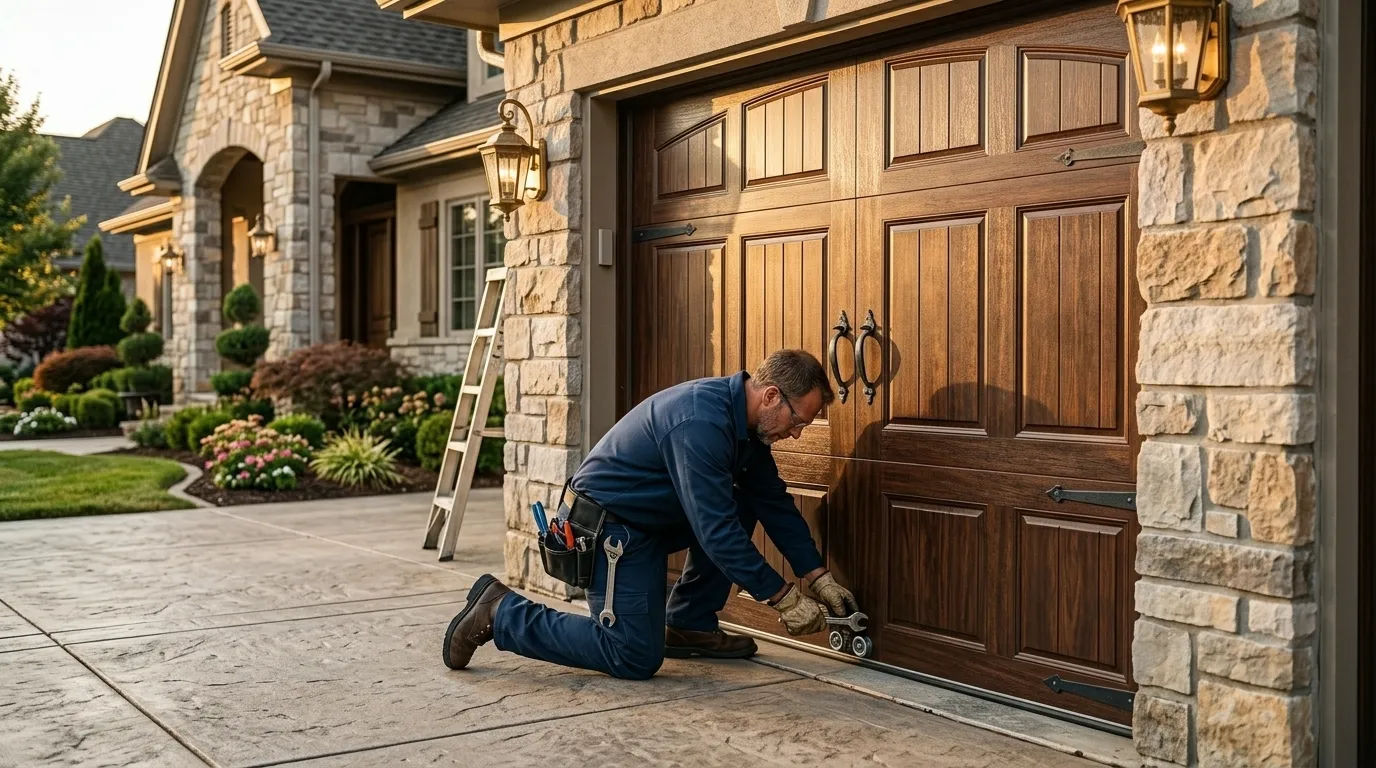
Garage door repair and tune-up service built around Glendale's pre-1960 housing stock and mild climate - spring wear, worn rollers, and original hardware we still work on every week.
- Licensed & Insured
- Same-Area Service Calls
- Upfront Pricing
What Happens When You Call
-
1
Call or Request a Quote
Tell us what the door is doing and roughly how old the house is - that alone points us toward the likely part before a truck leaves.
-
2
On-Site Diagnosis
A tech checks the spring, cables, tracks, and opener in person and tells you plainly what is actually wrong.
-
3
Straight Price, No Surprises
You get a number before any work starts. It covers parts and labor, nothing added after the fact.
-
4
Fixed the Same Visit
Most repairs are done in one trip. If a part needs sourcing, we tell you that upfront instead of guessing.
Why It Happens Here
Glendale's housing stock runs from 1943 up through 2012, but the median build year sits at 1958, and across the 52 named areas we cover - from Verdugo Woodlands to Chevy Chase to Glassell Park - most of what's on the ground predates 1960. That matters for one simple reason: torsion springs, hinges, and track brackets have a service life measured in cycles, not years, and a door installed under a 1958-era build code has usually gone through two or three spring replacements and at least one full hardware swap by now, whether the owner knows it or not. Add in the region's mild temperate climate - no hard freeze-thaw, no deep humidity swings - and you get less rust-through than colder markets see, but more UV and heat-cycle fatigue on rubber seals, nylon rollers, and plastic idler bearings that were never built to last seventy years.
So the failures we see in Glendale skew toward fatigue and wear on original or first-generation replacement parts, not the sudden storm-damage calls a coastal or freeze-zone town gets. It's a slow-failure market, and that changes what a proper service call looks like.
What You Are Seeing
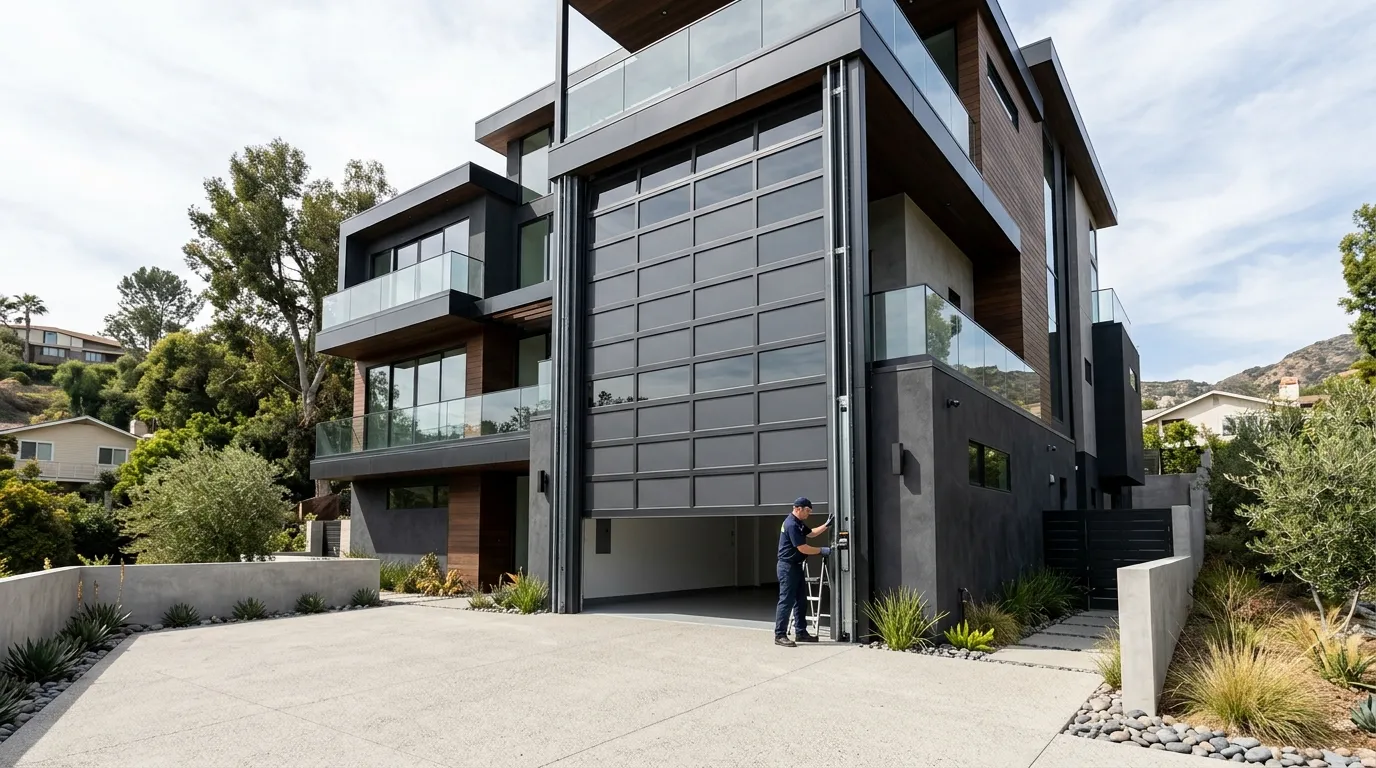
On a lot of these pre-1960 houses, the first sign is a door that starts heavy - you notice it lifting slower, or the opener straining on a door that used to feel light. That's usually spring fatigue, and on original single-spring torsion setups it's common because that generation of hardware was undersized by today's cycle-life standards. Other owners call because the door shudders or bangs partway through its travel; on houses this age that's often a track bracket that's loosened over sixty-plus years of wood-frame shrink and settle, not a factory defect.
We also see a lot of noisy travel - grinding or squealing rollers - which tracks with steel rollers original to a 1950s install that were never upgraded to nylon. None of this is dramatic. It's slow, it's quiet, and it's the kind of wear that homeowners in a 1958-median housing stock live with for months before calling, mostly because the door still technically works until, one day, it doesn't.
What the Fix Involves
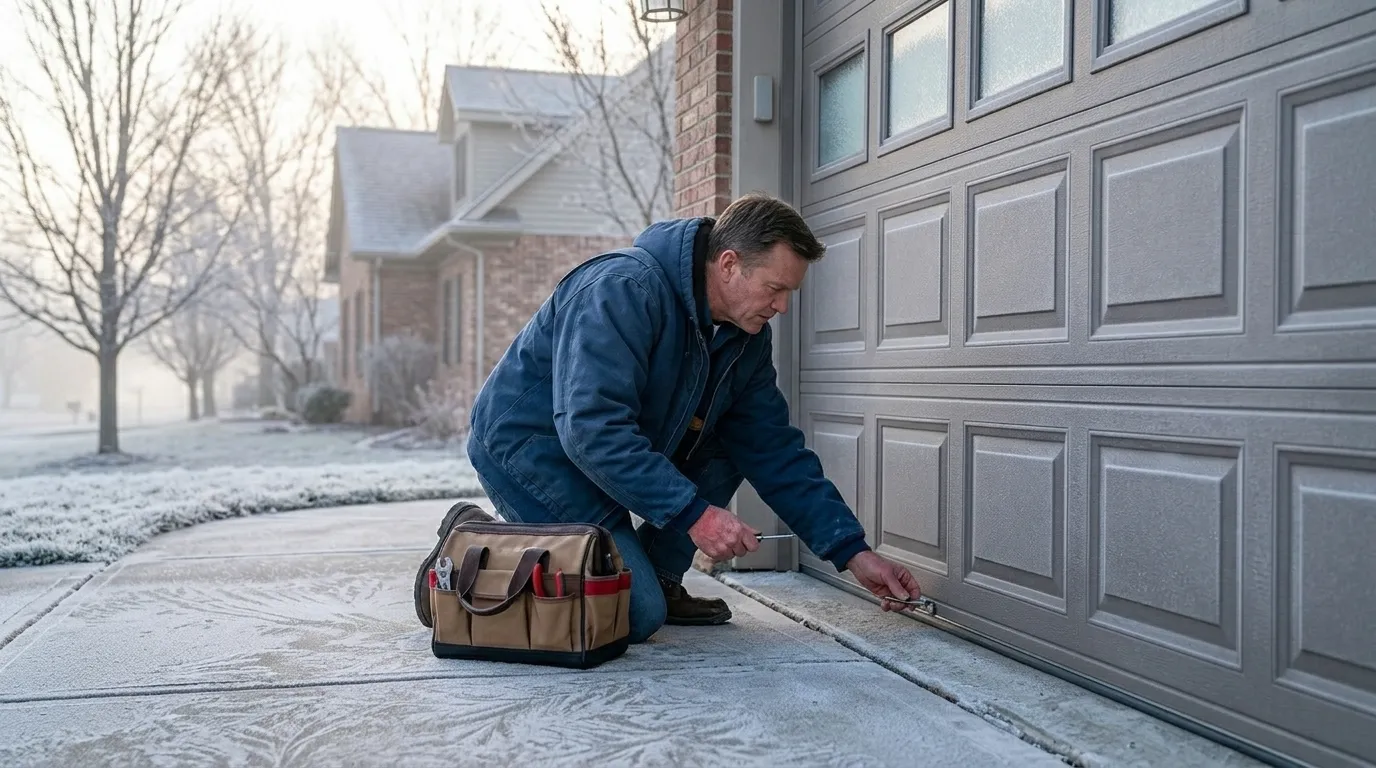
A service call on a house this age starts with the spring and cable system, because that's where cycle fatigue shows up first, and we check both the torsion spring wind and the cable drums for the wear pattern typical of original or early-replacement hardware. If rollers are steel and original, we talk about swapping to nylon, which handles heat-cycle expansion in this climate better over the long run. Track alignment gets checked against the frame, not just eyeballed, since older wood-frame houses in areas like Crescenta Highlands or Tropico have shifted enough over decades that a track shimmed straight in 1958 isn't straight now.
Opener wiring and safety sensors get a look too, since a lot of these houses have had at least one opener retrofit that didn't always account for the original door weight. We don't replace parts that are still within spec just because they're old - a spring with life left in it stays in the door.
Where This Job Goes Sideways
The most common way a routine service call turns into a bigger job is when the door itself, not just the hardware, is original to a 1940s or 1950s build. Wood panel doors from that era are heavier than anything made today, and when the springs are undersized for that weight - which happens more than you'd think on houses that never got a proper hardware upgrade - replacing just the spring puts the new one on the same fatigue clock as the last one. At that point the honest call is a spring set matched to actual door weight, sometimes paired with a full hardware upgrade, rather than a like-for-like swap.
We'll always tell you when that's the case instead of doing the quick fix and having you call back in eighteen months. One limitation worth naming: on some older custom or non-standard panel sizes, matching parts can take longer to source than a same-day repair, and we'll say so up front rather than guess at a timeline.
Talk to a Technician Before You Book
Describe what the door is doing and get a straight answer on what it likely needs.
Jobs Like Yours
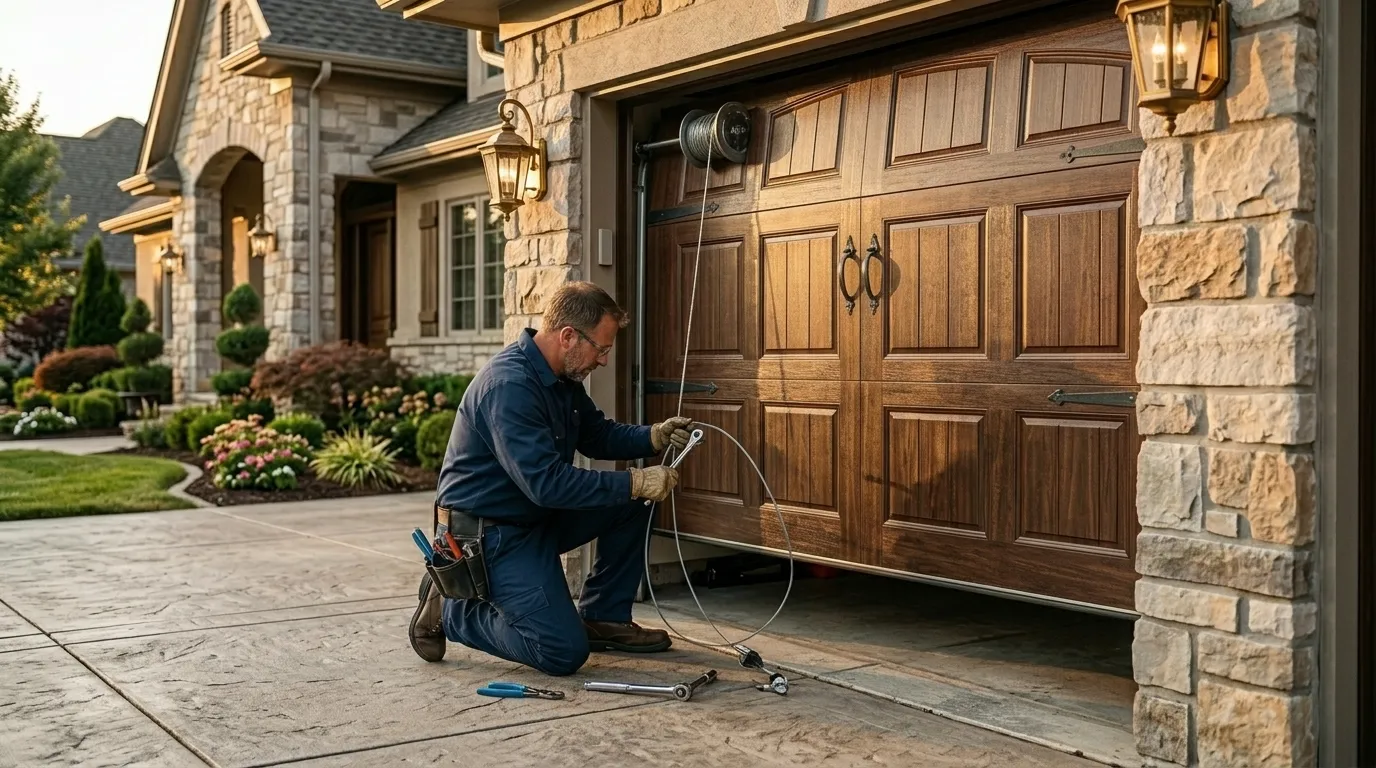
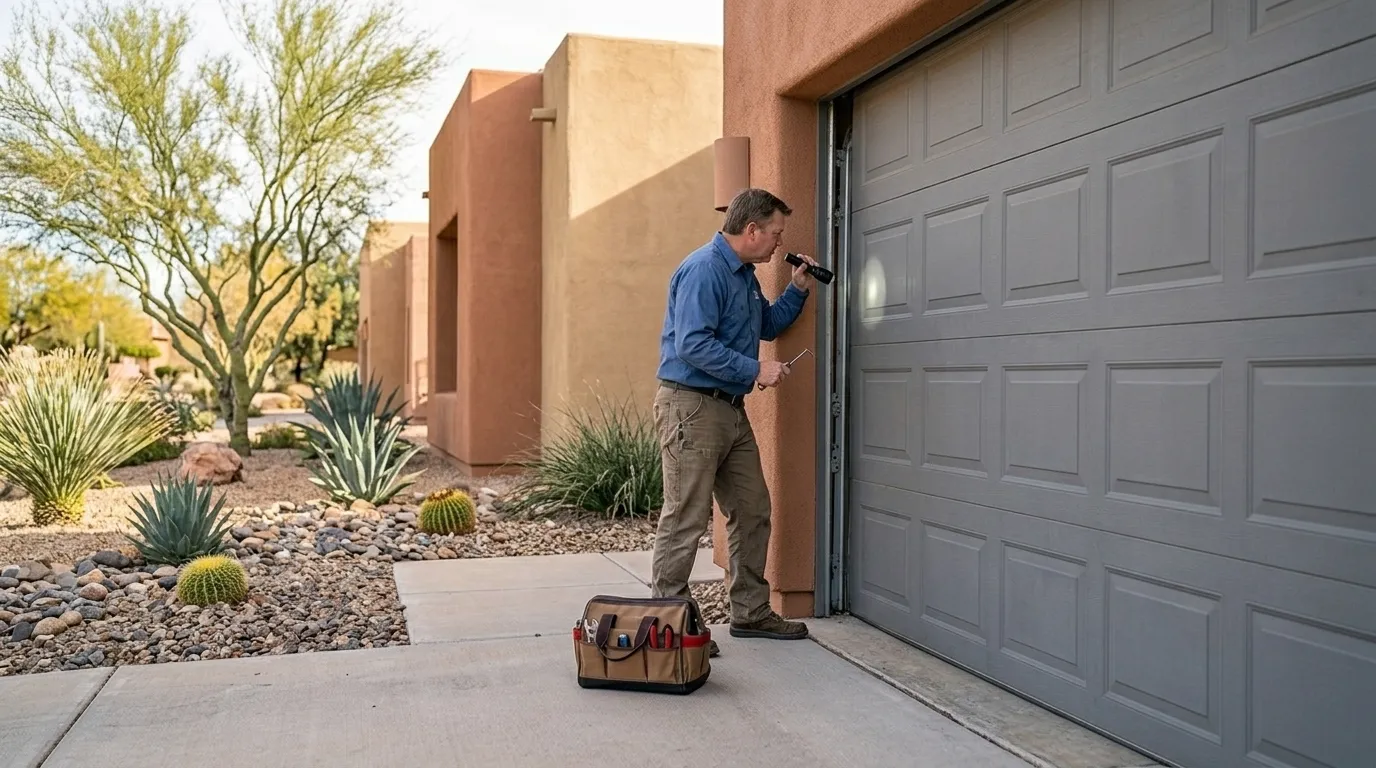
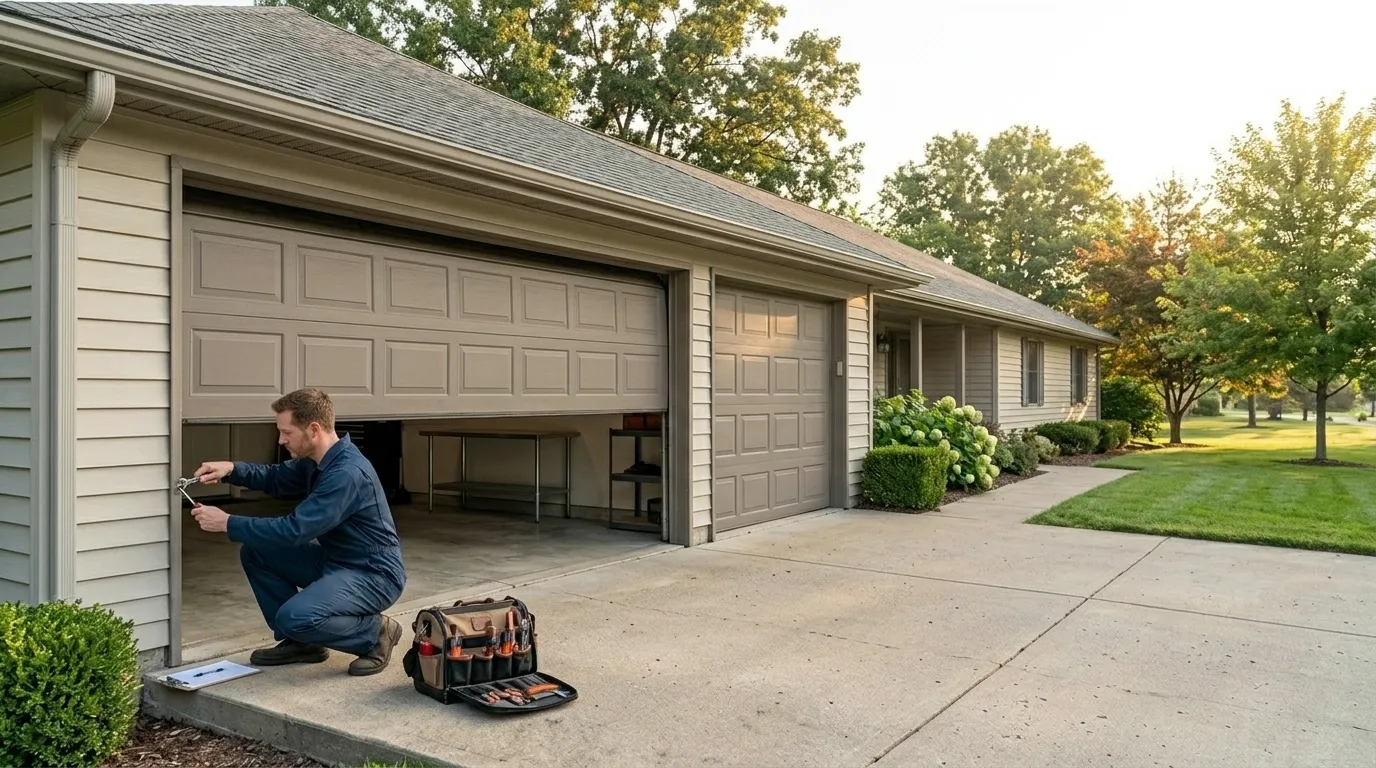
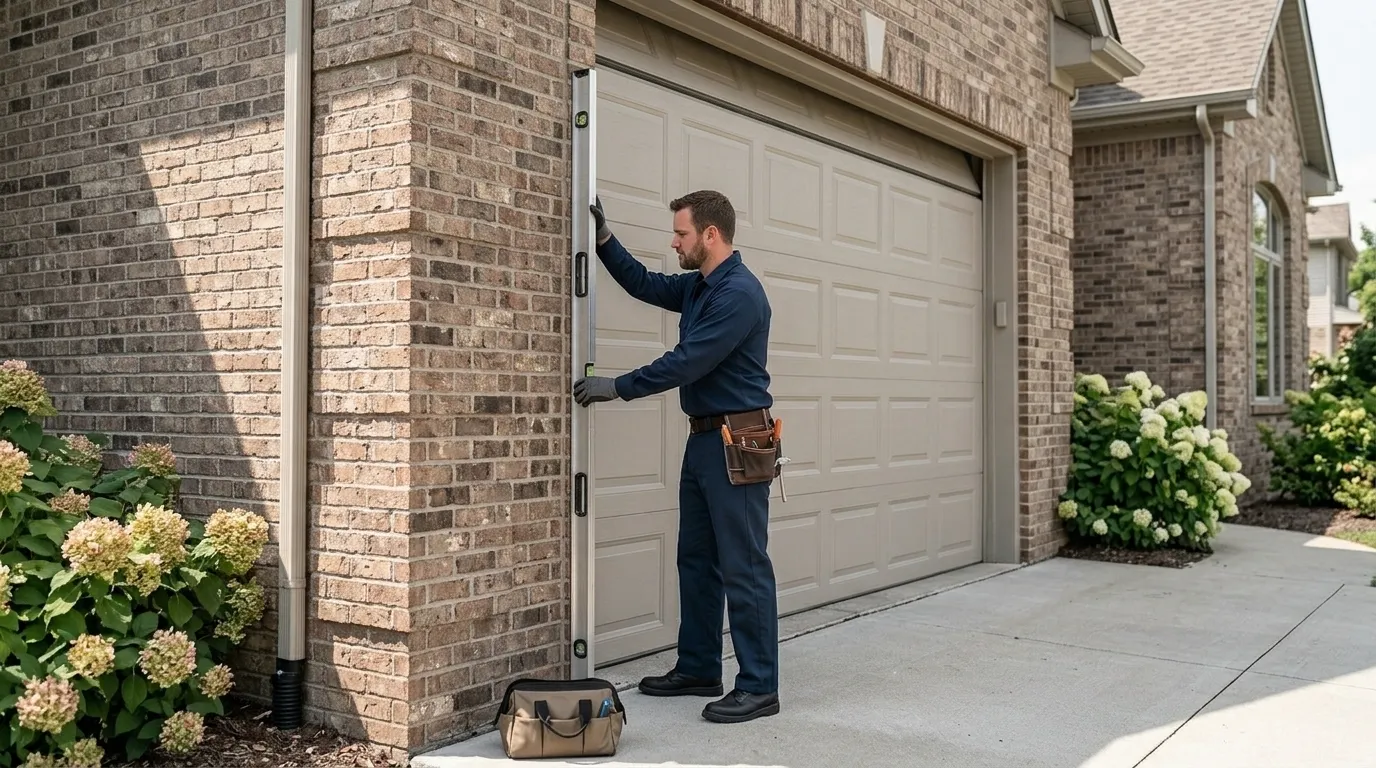
Recent work from this service line.
Why Glendale Calls Us
Frequently Asked Questions
Why does my garage door feel heavy even though it still opens?
On houses built before 1960, which describes most of Glendale's stock, this is almost always spring fatigue. The spring has lost tension over years of cycles and the opener is doing work the spring used to share. It won't fix itself and it gets worse, not better, the longer it runs like that.
Does Glendale's climate cause garage door problems the way cold-weather cities see?
Not in the same way. The mild temperate climate here means we don't see the freeze-related cable snaps or ice-jammed tracks that colder markets deal with. What we do see is UV and heat-cycle wear on seals, rollers, and plastic components, which fails slower but just as surely.
Is it worth repairing a door original to a 1950s house?
Often yes, if the panels are still structurally sound - hardware and springs can be upgraded without touching the door itself. Where it stops making sense is when the door is undersized in weight for a matched modern spring set, at which point we'll tell you replacement is the better spend.
How do I know if it's the track or the springs?
If the door feels heavy to lift by hand or the opener strains, that's spring-side. If it bangs, jerks, or binds at a specific point in its travel, that points to track alignment, which is common on older wood-frame houses that have settled over decades.
Need Garage Door Service Built for Glendale's Older Housing Stock?
Call now for straight answers on cost and timing.