
Glendale Garage Door Guide
Weather Seals and Draughts on Glendale Garage Doors
Glendale's mild climate and pre-1960 housing stock mean worn weather seals let in draughts, dust, and pests. Here's what actually happens to these doors and when to fix it.
- Licensed & Insured
- Same-Area Service Calls
- Upfront Pricing
What the Weather Here Does to It
Glendale sits in a mild temperate band, and that fact alone changes how a garage door ages compared to a place with hard freezes or heavy humidity swings. You don't get ice splitting a bottom seal or wood rot from six months of damp. What you get instead is slow, steady UV breakdown and temperature cycling between hot afternoons and cool nights, especially in the areas up toward Crescenta Highlands and Verdugo Woodlands where elevation adds a few extra degrees of swing.
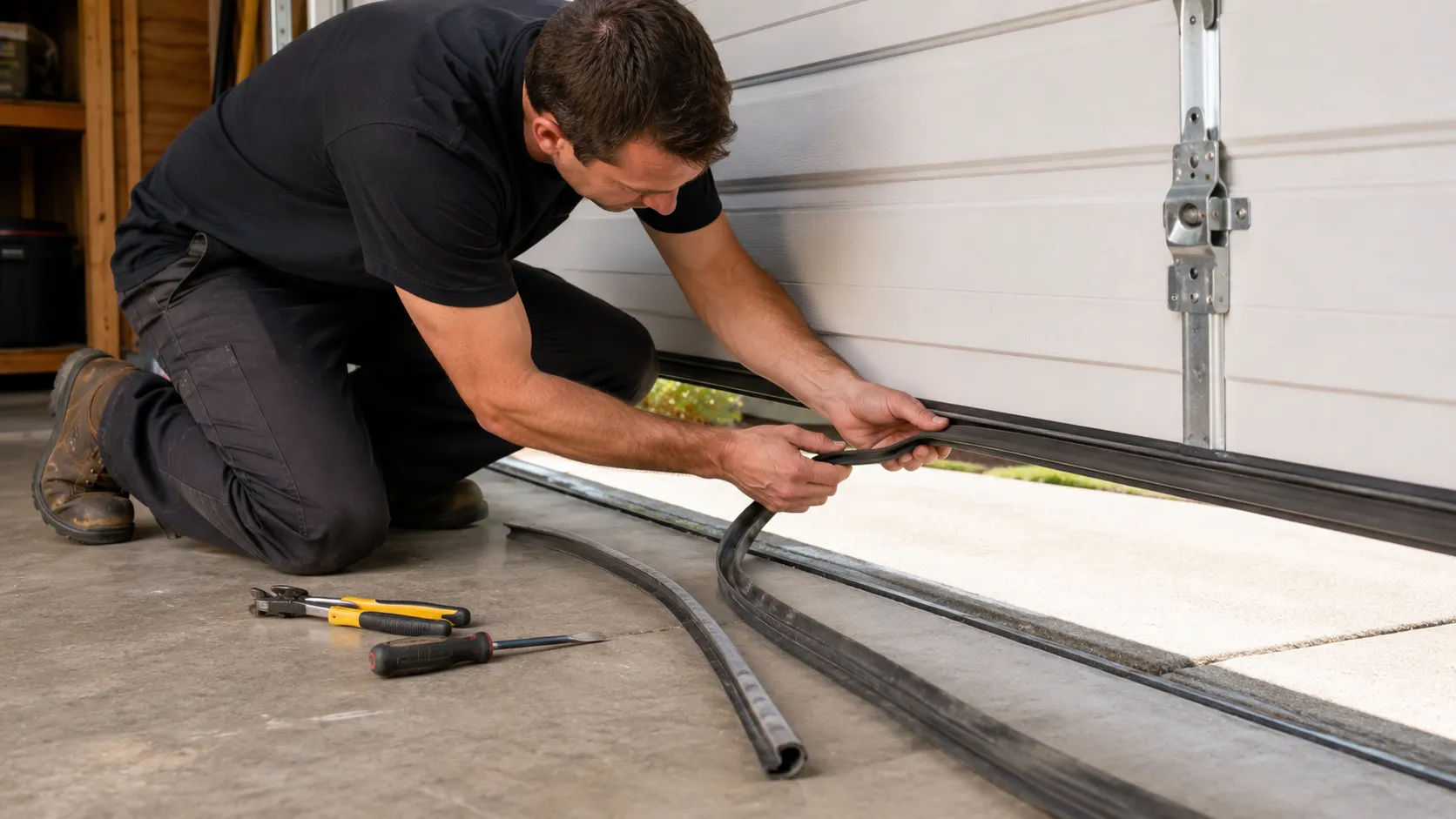
That cycling dries out rubber. A vinyl or rubber bottom seal that would last a decade in a wetter climate turns brittle and cracked here in about half that time, and once it cracks, it stops doing its job long before it looks obviously broken. Side and top seals on the frame do the same thing, just slower, because they're not in contact with the slab.
The result isn't a dramatic failure. It's a door that still opens and closes fine but leaks air, dust, and the occasional draught along the bottom edge, which is easy to ignore until you notice a line of dust inside the garage that traces the exact shape of the gap.
The Seasonal Bit
With housing across this service area built mostly between 1943 and 1958, and pre-1960 stock common across the named neighborhoods from Atwater Village to Mount Washington to Los Feliz, a lot of these garages were built to a spec that never assumed a sealed, insulated door. Original openings were often a hair out of square by now, decades of foundation settling being what it is. That doesn't cause a draught on its own, but it means a stock replacement seal doesn't always sit flush the way it would on a newer, truer frame.
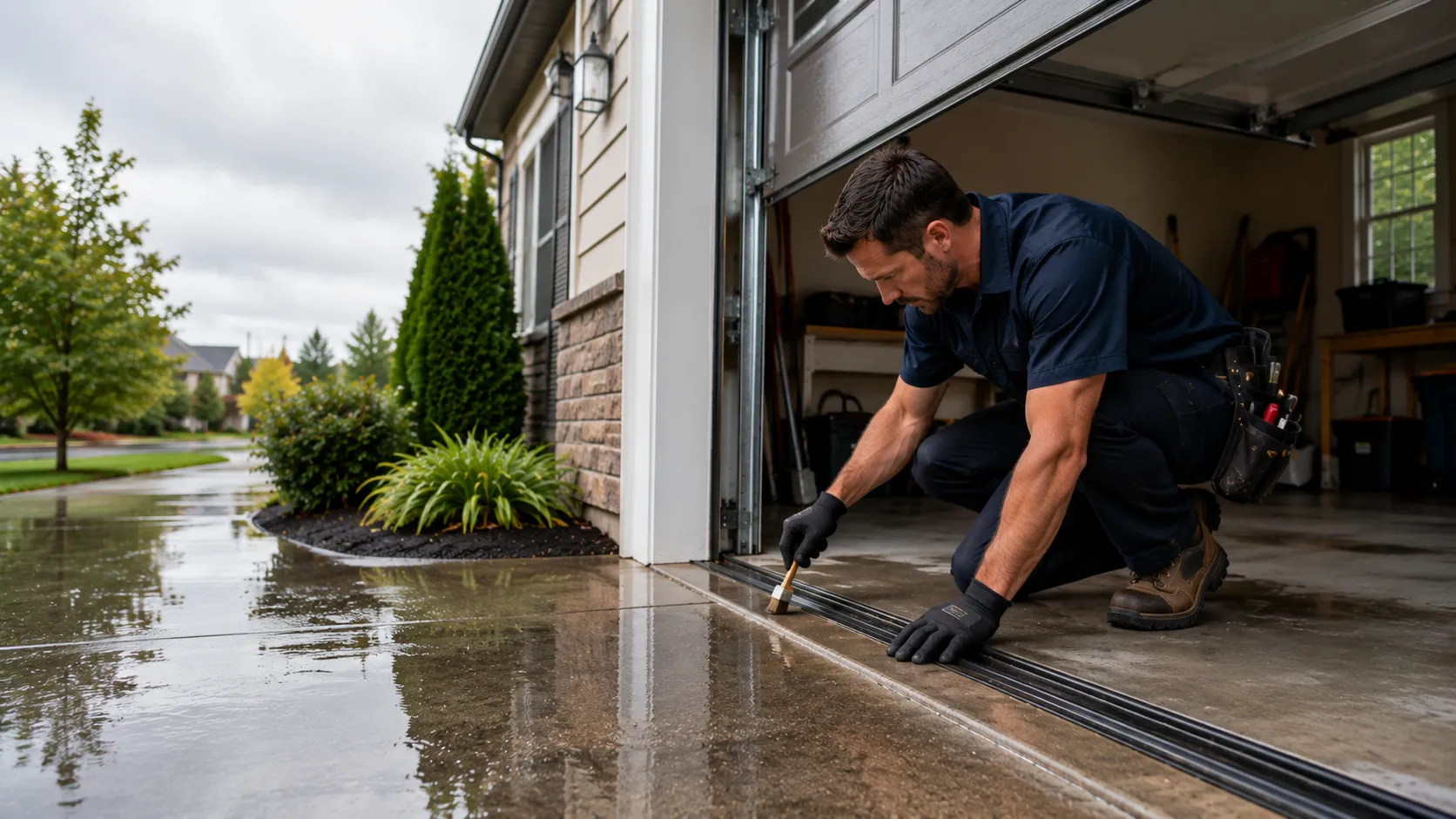
Every year you get the same low-grade cycle: seals shrink slightly in the dry heat of late summer, then in cooler months the door frame contracts a bit and the gap that was marginal becomes noticeable. It's not a storm event, there's no single day where it fails. It's cumulative, and in a mild climate like this it's easy to go two or three years without addressing it because nothing forces the issue the way a hard freeze would elsewhere.
The Problem
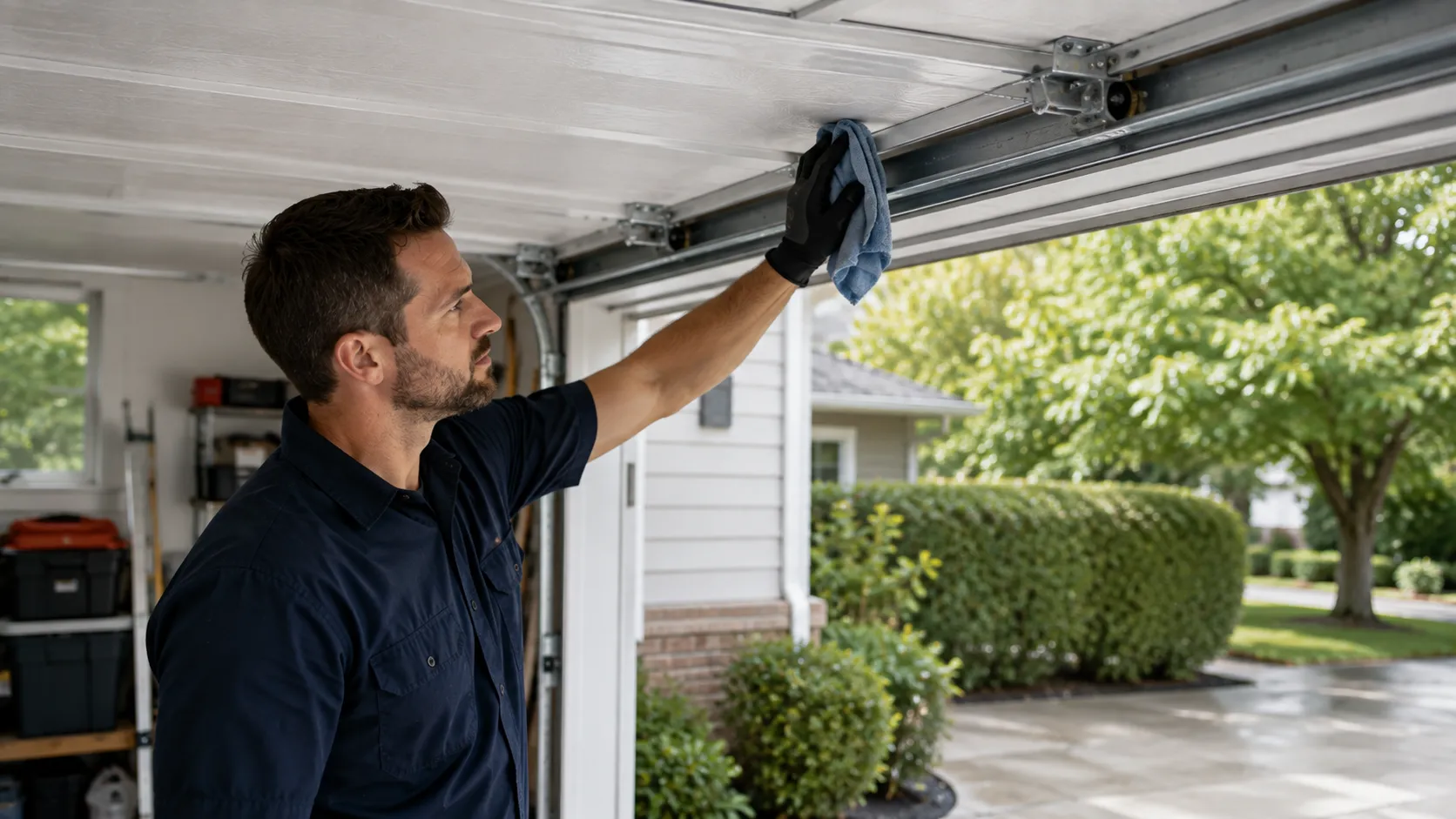
The problem isn't that the door won't close. It's that a gapped seal on an older frame lets in more than air. Dust, pollen, and small pests get a straight line into the garage, and if the garage backs onto living space, that draught shows up as a cold patch on a hall floor or a spike in the HVAC bill that nobody traces back to the correct source.
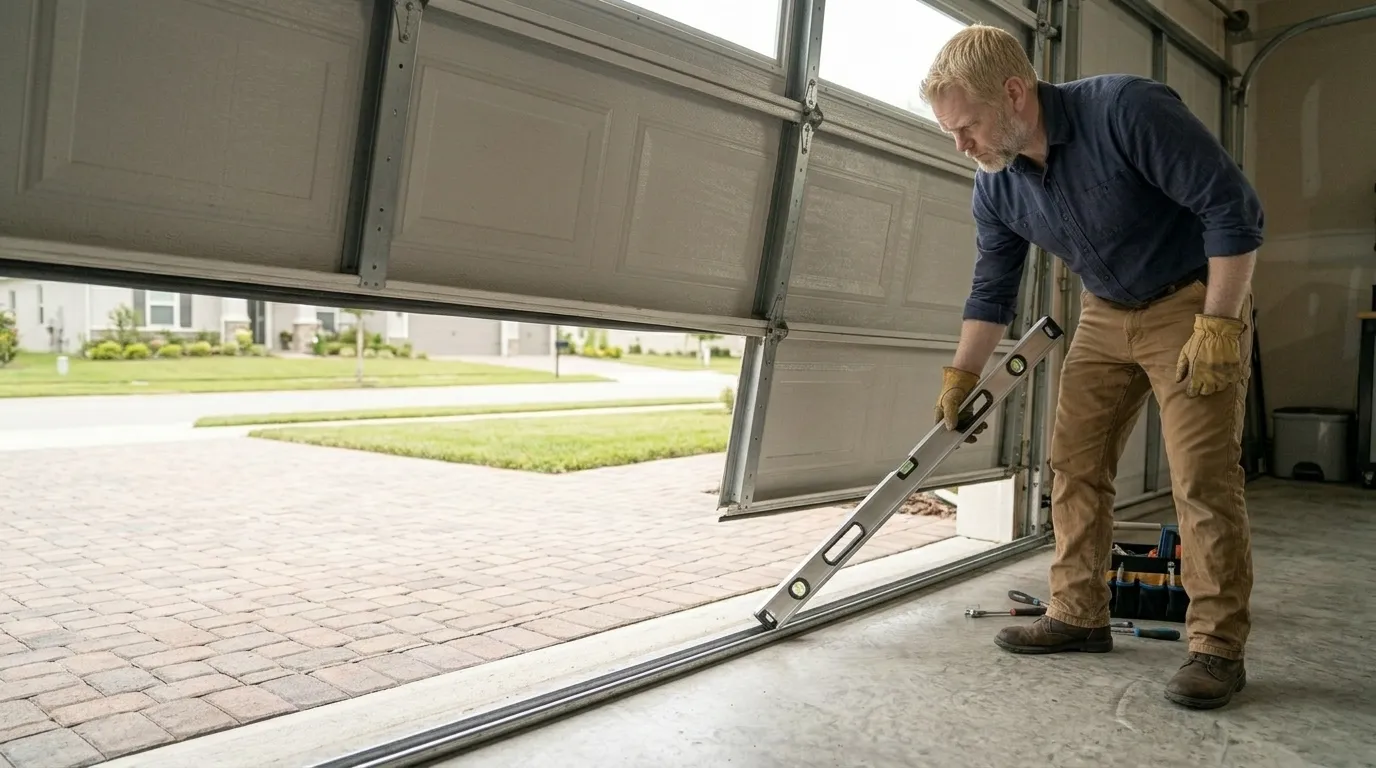
On original 1950s-era openings in particular, the seal channel itself can be undersized for the thicker, better-sealing vinyl available now, so a straight swap doesn't always fix it. I'll say plainly: if the frame is warped or the opening is more than about a quarter-inch out of square, a new seal is a band-aid, not a fix, and I'd rather tell a homeowner that up front than sell a part that won't hold.
When to Get Help
If you can see daylight along the bottom of a closed door, or feel air moving past the sides when it's shut, the seal's done regardless of how the rubber looks. On the pre-1960 stock common through this area, I'd also check whether the track and frame are still square before assuming a seal alone will solve it, since that's often the real cause once a seal's been replaced once already and the draught came back. A call is worth it once you notice a recurring dust line, a cold draught near the door in cooler months, or daylight you can see without bending down to look for it.
How We Can Help
Emergency Garage Door Repair
Emergency Garage Door Repair handled by trained, insured local technicians with upfront pricing.
Learn more →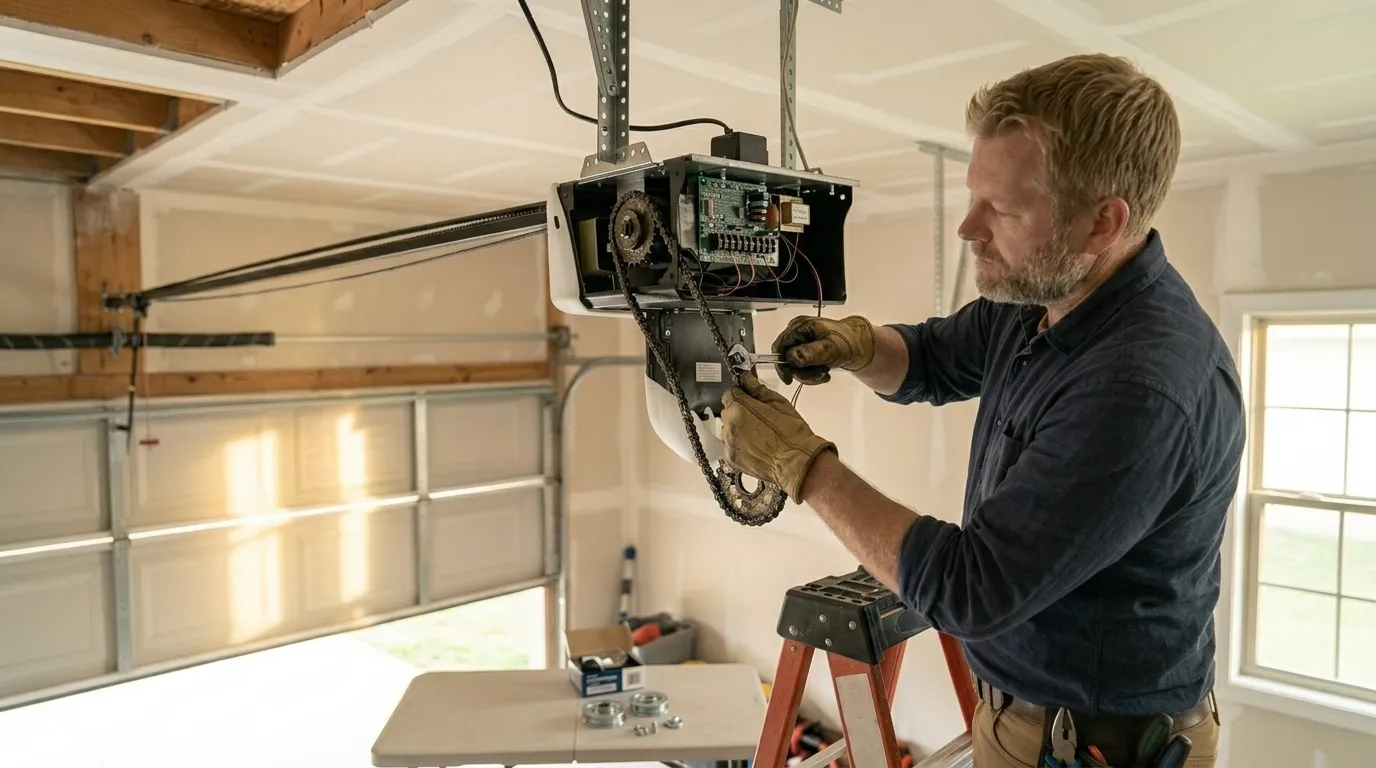
Garage Door Maintenance
Garage Door Maintenance handled by trained, insured local technicians with upfront pricing.
Learn more →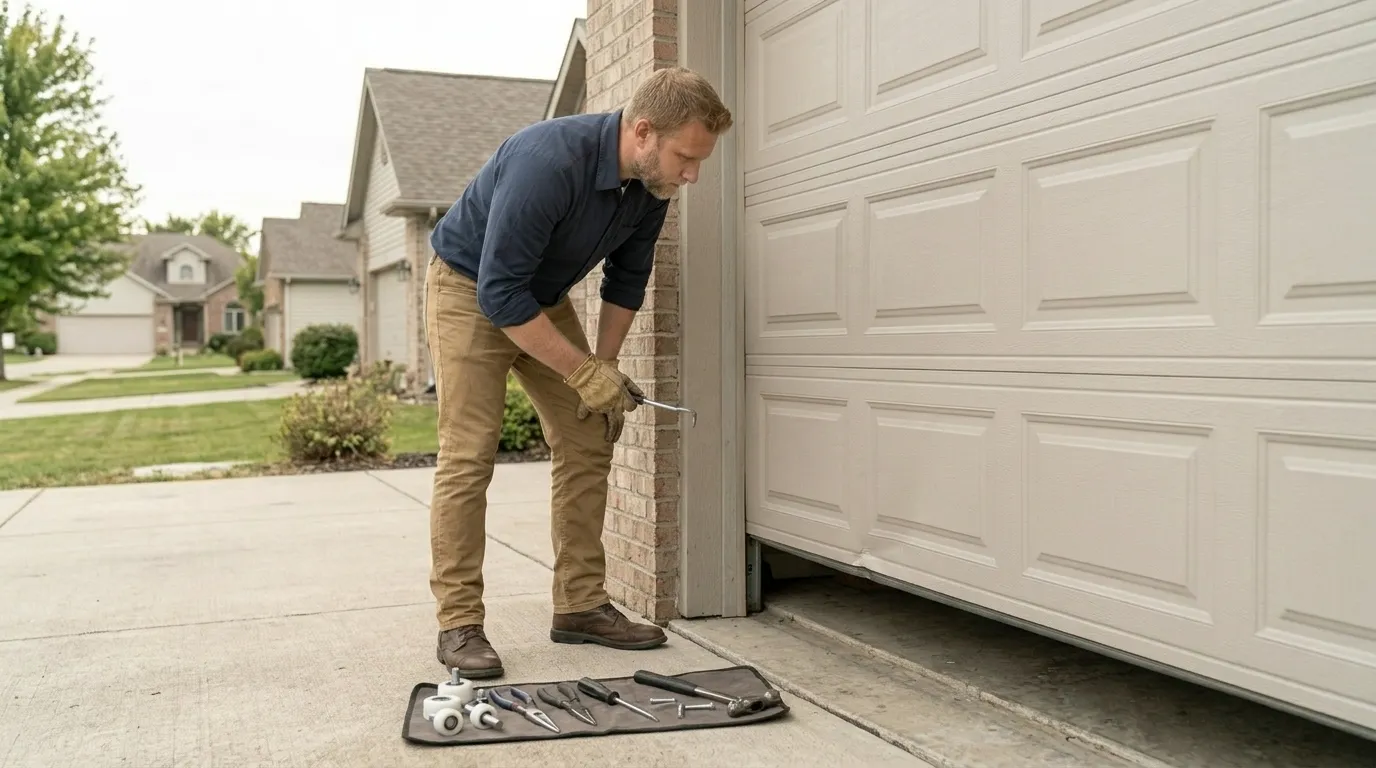
Commercial Garage Door
Commercial Garage Door handled by trained, insured local technicians with upfront pricing.
Learn more →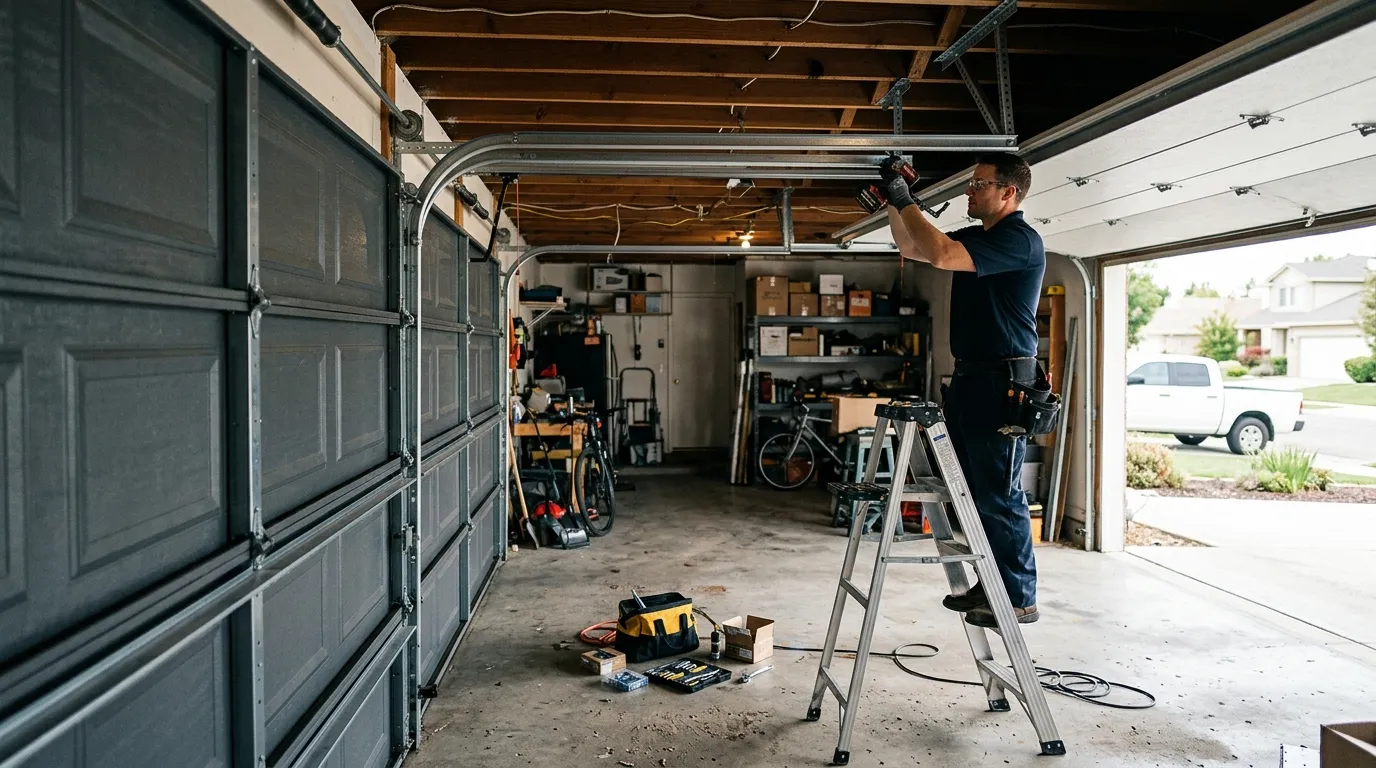
Garage Door Service
Tune-ups, lubrication, and safety checks that catch a small problem before it becomes a service call.
Learn more →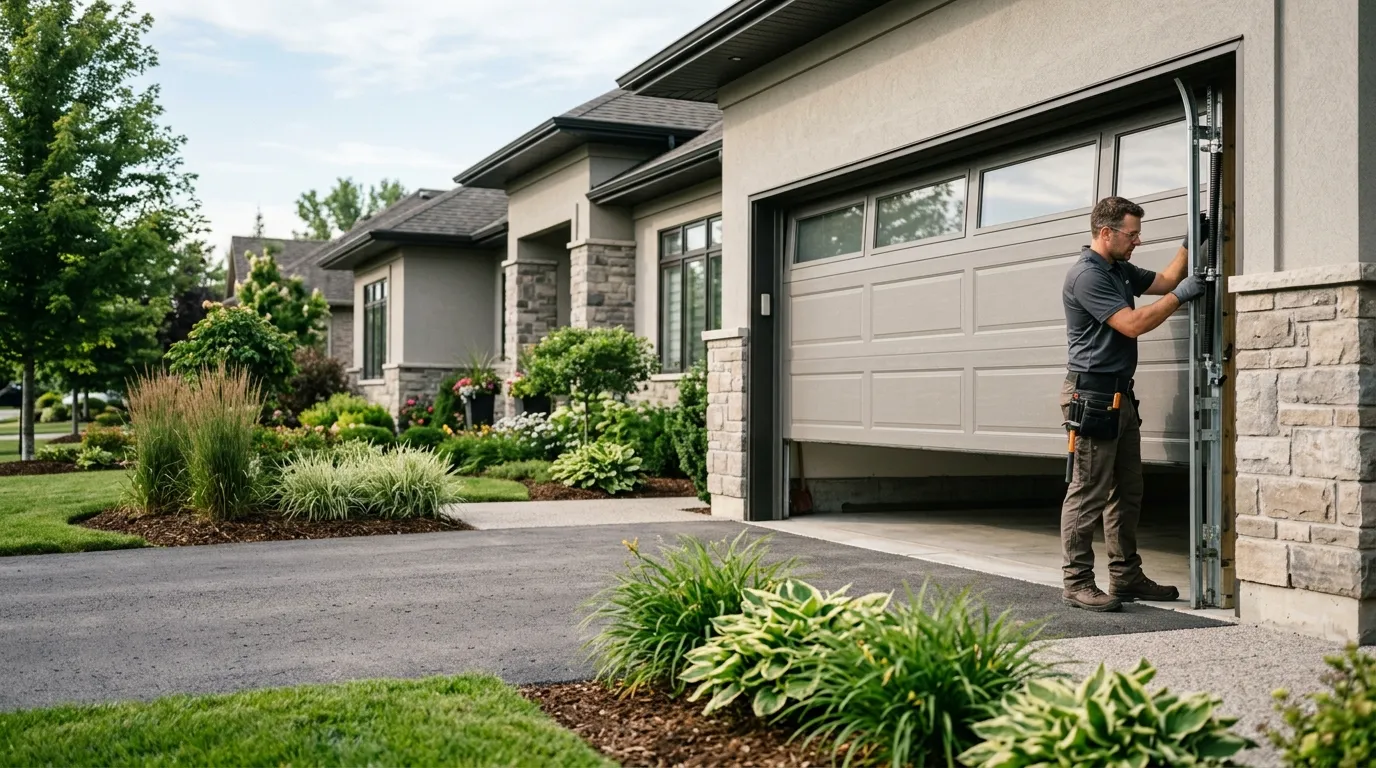
Garage Door Panel Replacement
Dented or cracked panels swapped without replacing the whole door where the frame is sound.
Learn more →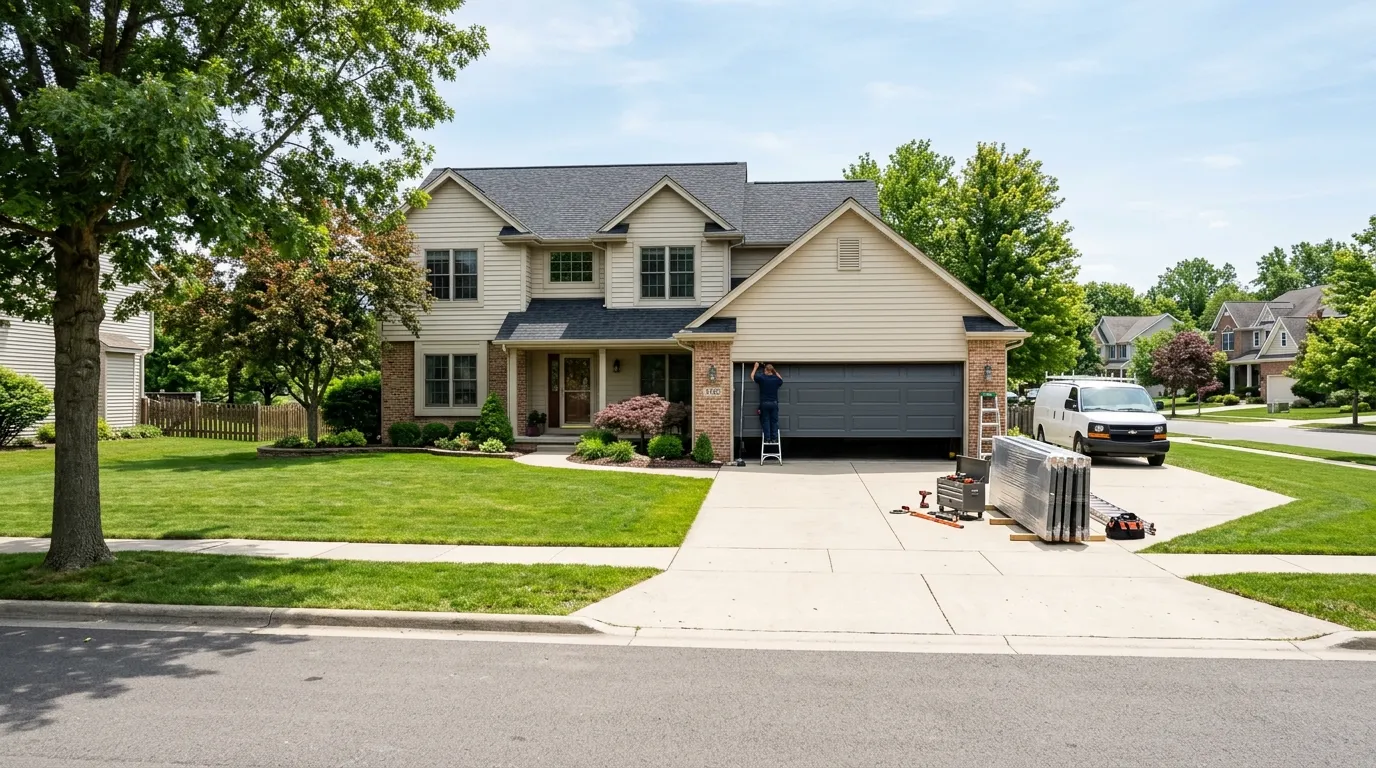
Garage Door Installation
New sectional doors sized and installed for the housing stock actually built in this area.
Learn more →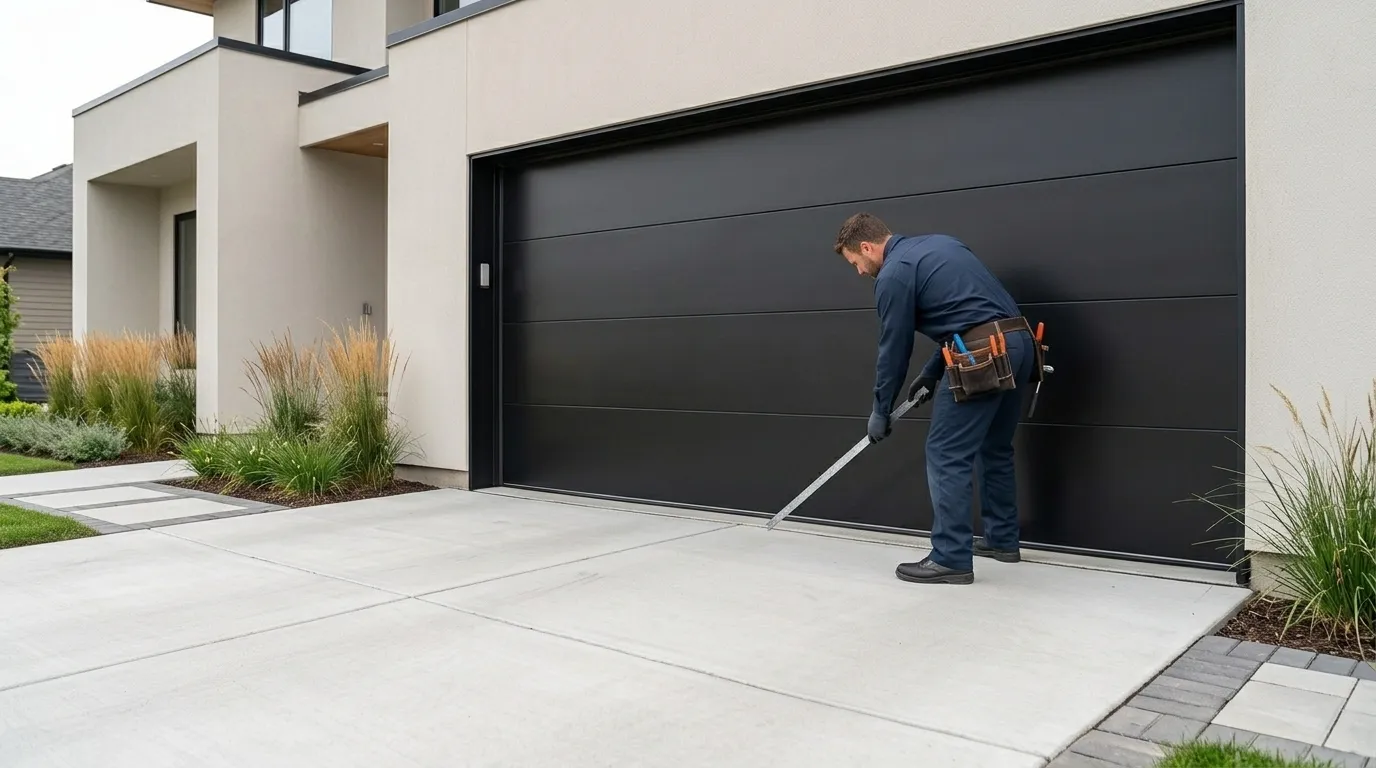
Garage Door Repair
Springs, cables, tracks, rollers, and openers fixed by a tech who explains the problem before touching anything.
Learn more →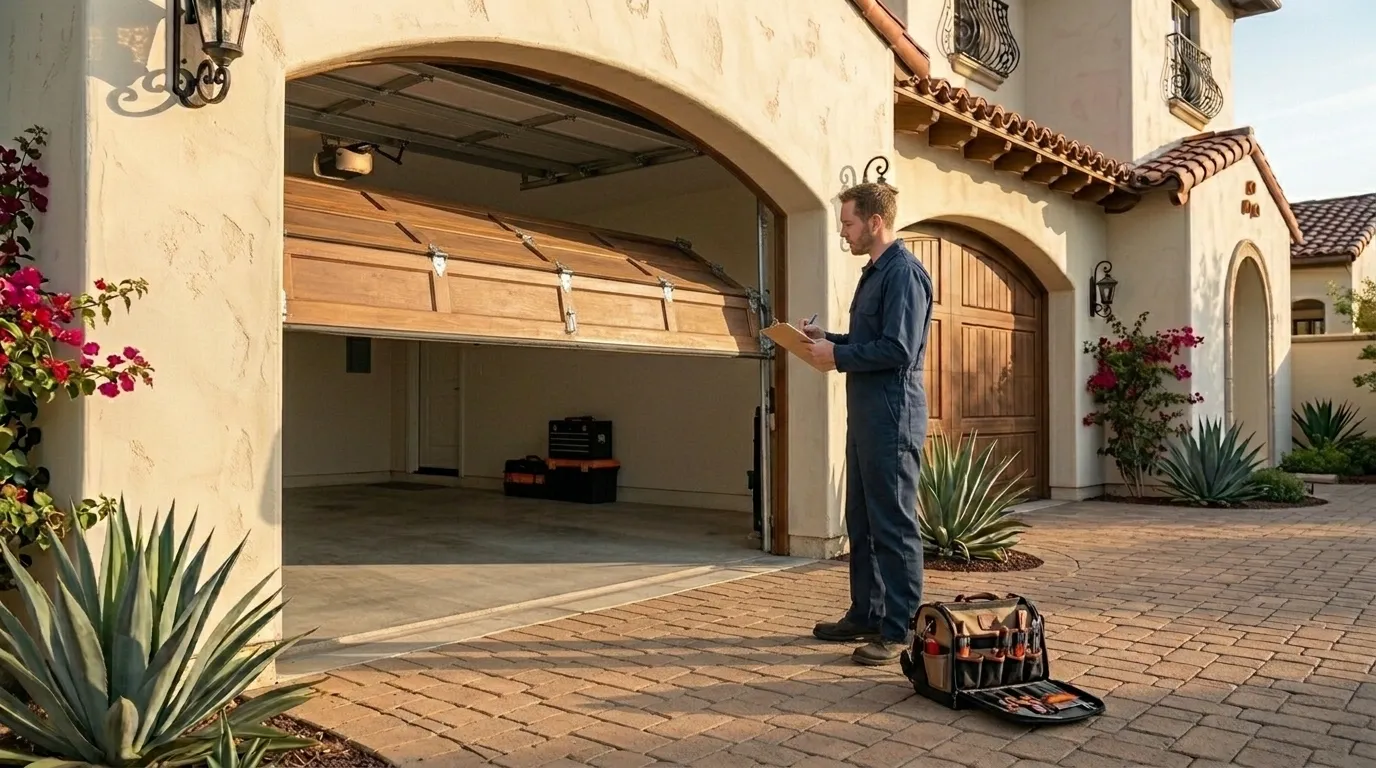
Garage Door Off Track
Doors that jumped the track reset safely, with rollers and alignment checked so it holds.
Learn more →Frequently Asked Questions
Why does my garage door seal wear out faster here than seals I've had elsewhere?
Glendale's mild but wide daily temperature swing dries and cracks rubber and vinyl seals through repeated expansion and contraction, even without freezing weather. On older, pre-1960 openings common across this area, that wear shows up as a draught well before the seal looks visibly damaged.
Will a new bottom seal fix a draughty older garage door?
Often yes, but not always. On original openings from the 1950s and earlier, the frame can be slightly out of square after decades of settling, and a standard seal won't sit flush against an uneven gap. If that's the case, the frame needs attention before the seal will hold.
How do I know if it's the seal or the frame causing the draught?
Close the door and check for daylight or moving air along the entire bottom edge and sides, not just one spot. An even gap all around usually means a worn seal. A gap that's worse on one side or corner usually points to a frame or track alignment issue instead.
Have a Door That Needs a Second Opinion?
Call and describe what it is doing - we will tell you what it likely is.