
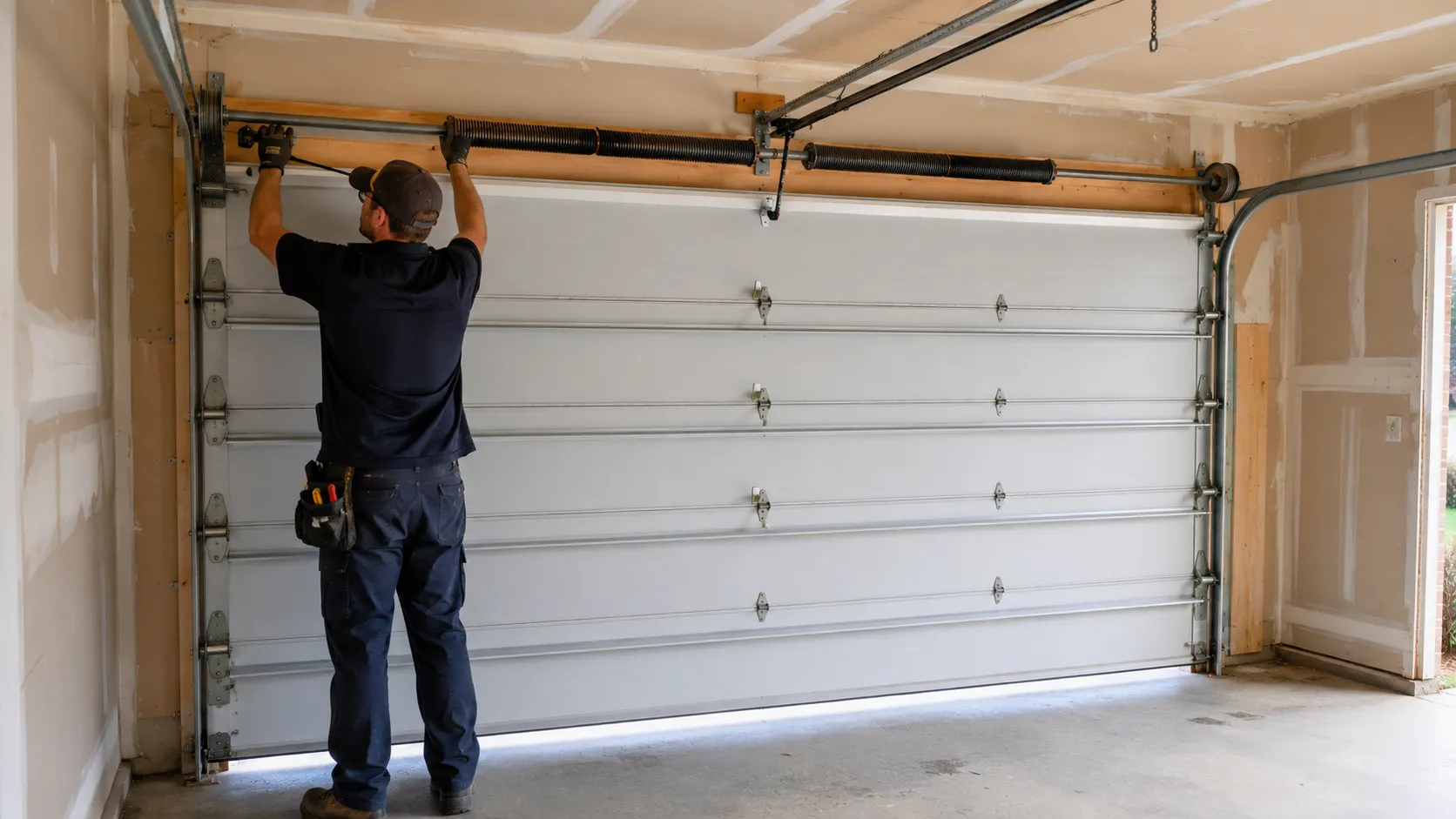
Glendale Garage Door Guide
What Those Grinding, Popping, and Squealing Sounds Actually Mean
Glendale homes built between 1943 and 2012 make specific garage door noises as parts age in mild temperate weather. Here's what each sound actually means.
- Licensed & Insured
- Same-Area Service Calls
- Upfront Pricing
What the Weather Here Does to It
Glendale sits in a mild temperate band, and that matters more than most homeowners think. You don't get the deep freeze-thaw cycle that snaps torsion springs overnight or the kind of humidity swing that swells a wood panel door shut in one season and shrinks it loose the next. What you get instead is slow, steady wear.
Steel track and hardware here don't fail from a single cold snap - they fail from decades of daily heat-up and cool-down on the same bolts and brackets, in houses that mostly went up between 1943 and 2012, with a lot of that stock centered around 1958. That's an important distinction: the noise your door makes isn't weather damage, it's age. A squeal on a summer morning isn't the heat doing something dramatic - it's a roller that's been running dry since before your last two openers.
Mild climate means the parts last longer than they would in Phoenix or Minneapolis, but it doesn't mean they last forever. It just means when something finally does complain, it's almost always mechanical, not seasonal shock. That's actually good news, because mechanical problems are the kind you can catch early if you know what to listen for.
The Seasonal Bit
Because the climate here doesn't swing hard, the seasonal noise pattern is subtler than in most places, but it's still there. Cooler winter mornings tighten steel slightly and can turn a marginal roller squeak into something sharper for the first few weeks. Warmer stretches loosen things back up and the same door goes quieter again, which fools a lot of owners into thinking it fixed itself.
It didn't - the underlying wear is still there, the temperature just changed how loudly it announced itself that week. On houses from the older end of the 1943-2012 range, especially anything close to that 1958 median build year, this seasonal flicker often shows up as a rhythmic thump on the up-stroke rather than a constant sound, because it's usually a flat spot on a roller or a hairline crack starting in a hinge, not a spring problem. Spring failure tends to be sudden and total, not seasonal.
If your door has been making the same faint noise every autumn for a couple of years and going quiet by spring, that's wear talking on a schedule, not weather causing new damage each time.
The Problem
Most of Glendale's housing stock, across the neighborhoods on both sides of town - Verdugo Woodlands, Chevy Chase, Glassell Park, and the rest of the roughly 52 named areas that make up this stretch of the valley - predates 1960. That means a large share of garage doors here were originally built for hardware that manufacturers stopped making a long time ago: side-mounted torsion setups, older lift cable routing, brackets sized differently than what a home center sells today. When a part on one of these older setups finally lets go, matching it exactly can take longer than the repair itself.
The grinding sound people report most is usually a worn roller bearing running in a track it was never quite sized for after a prior mismatched repair. The popping sound is almost always a cable or hinge under stress finding a new resting position. Neither of these is an emergency the first time you hear it.
Both get expensive fast if you keep opening and closing the door and ignoring it. We don't stock every discontinued bracket for a 1958-era door on the truck - sometimes we have to source it, and we'll tell you that up front rather than pretend otherwise.
When to Get Help
Call before the door gets stuck, not after. A grinding roller or a hinge popping under load is a small job now and a stuck door with a bent track later. If your door is making a single loud bang and now won't move at all, that's very likely a broken spring - don't try to lift it manually and don't run the opener again, since that's how a track gets bent.
If it's a faint, steady squeak that's been there for months and hasn't changed, it's not urgent, but it's not nothing either - that's wear building toward the next failure. Given how much of the housing around here sits on original or first-replacement hardware from the 1943-2012 build era, a lot of these small noises trace back to parts that are simply old, not damaged in any dramatic sense. That's usually fixable without full replacement.
Where it isn't fixable - badly rusted track, a door frame that's shifted, an opener motor that's seized - replacing the unit costs less over time than chasing repairs on a door that's fighting you at every point.
How We Can Help
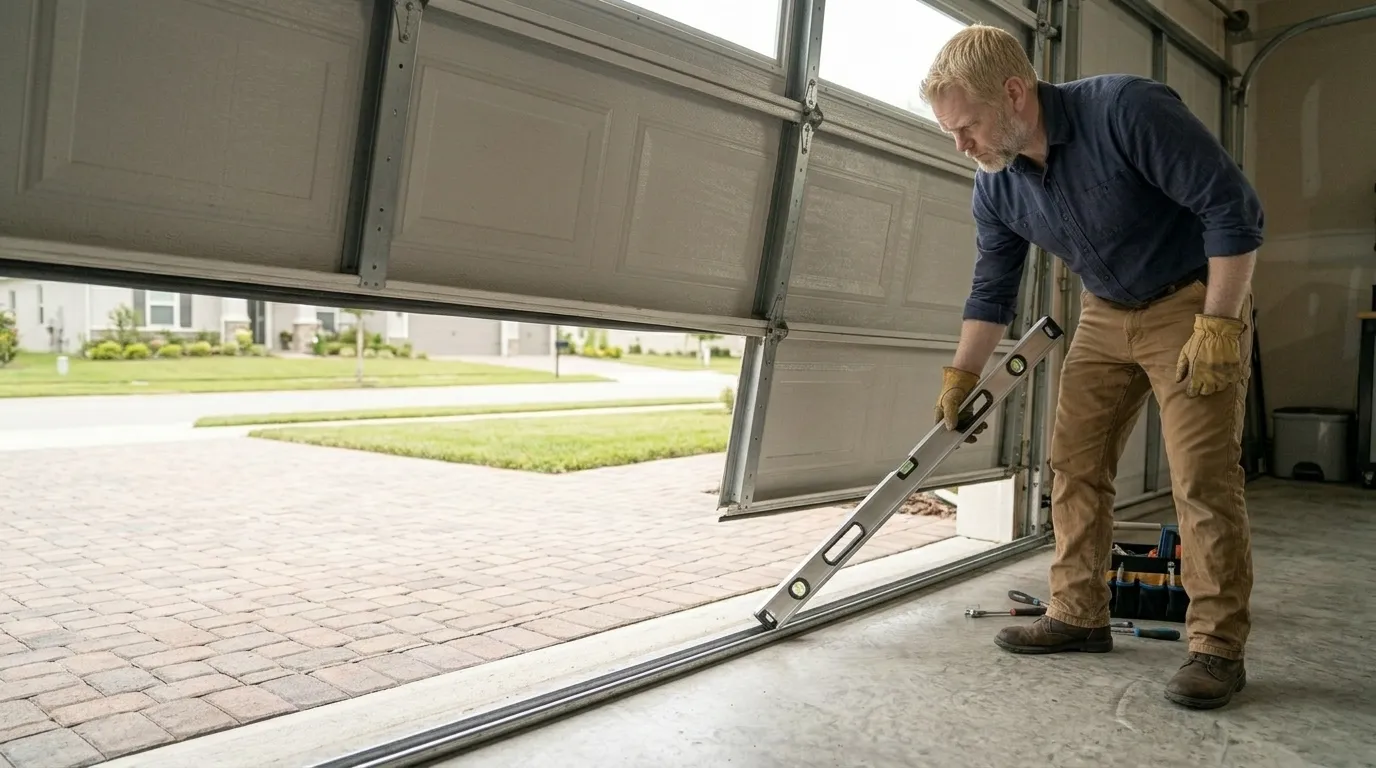
Emergency Garage Door Repair
Emergency Garage Door Repair handled by trained, insured local technicians with upfront pricing.
Learn more →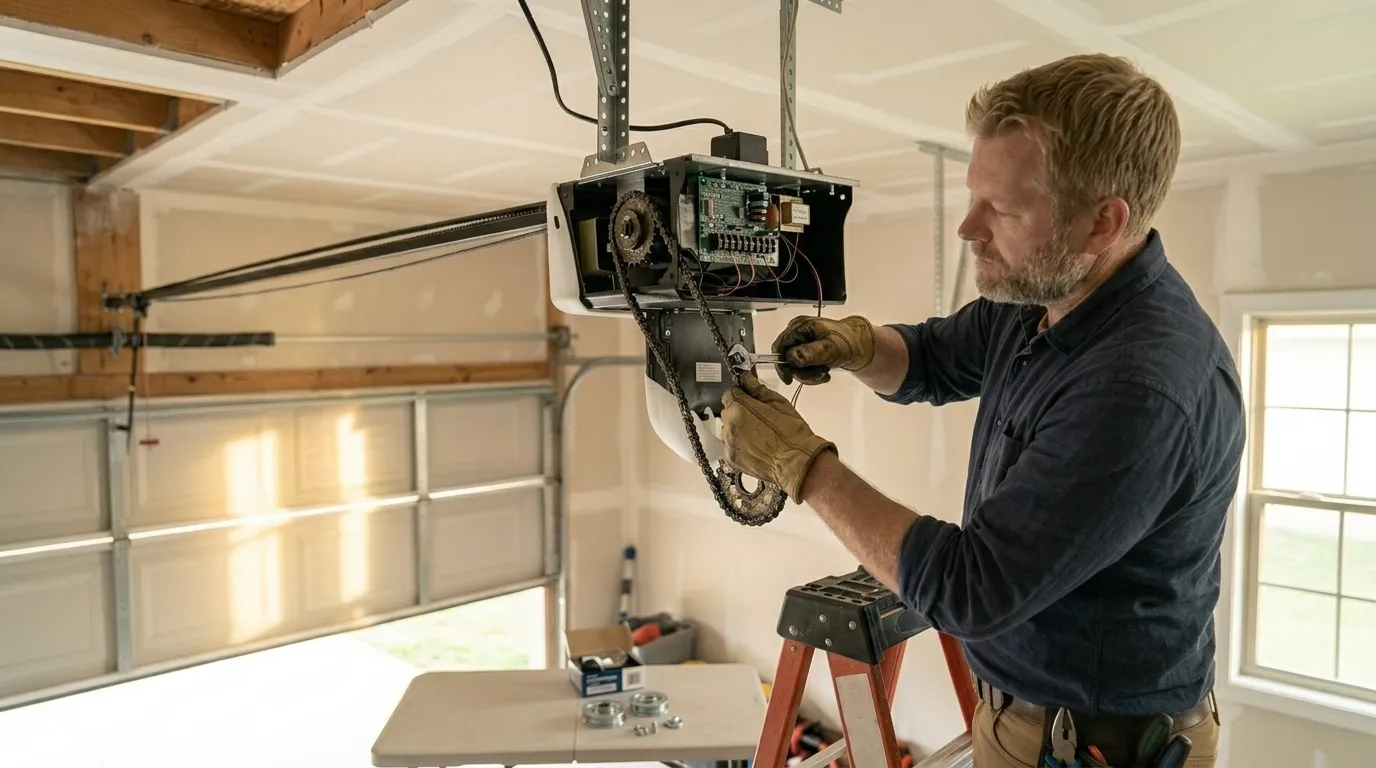
Garage Door Maintenance
Garage Door Maintenance handled by trained, insured local technicians with upfront pricing.
Learn more →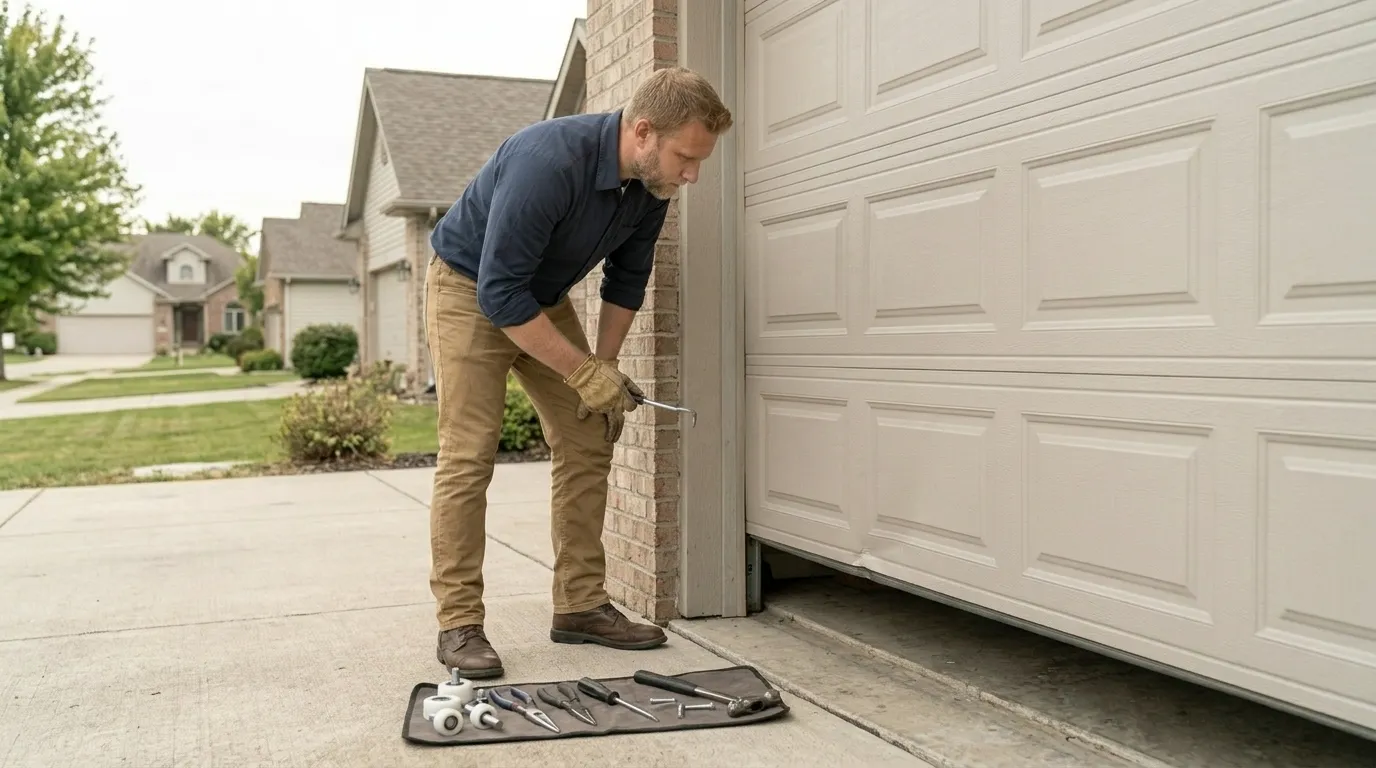
Commercial Garage Door
Commercial Garage Door handled by trained, insured local technicians with upfront pricing.
Learn more →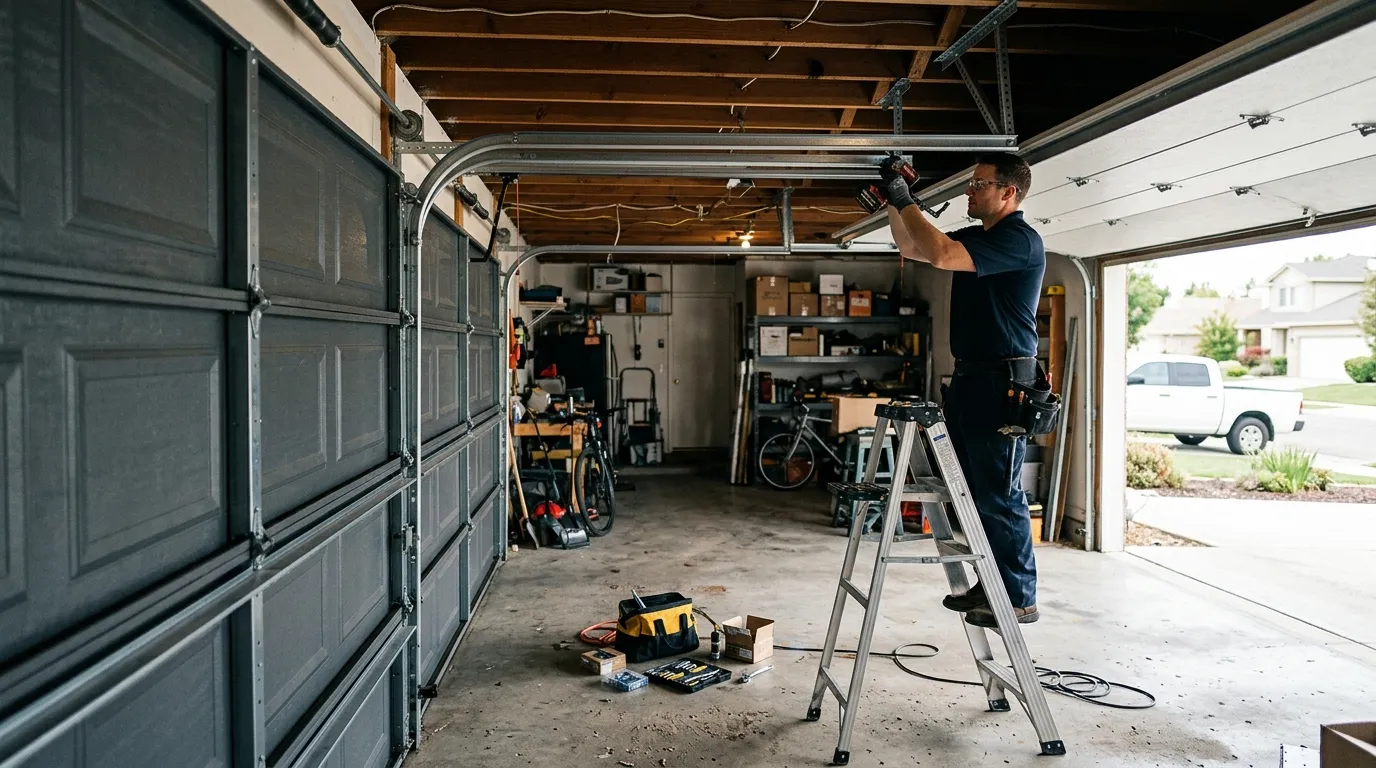
Garage Door Service
Tune-ups, lubrication, and safety checks that catch a small problem before it becomes a service call.
Learn more →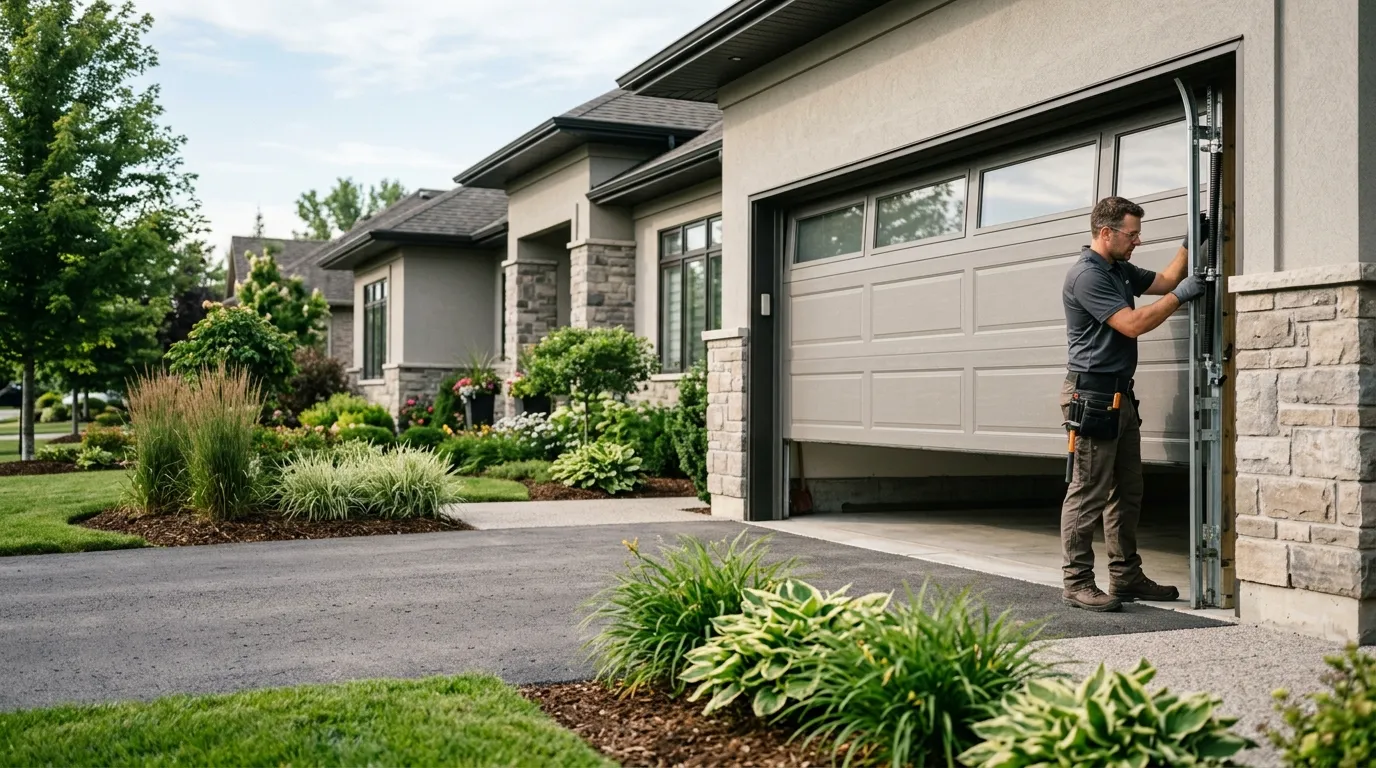
Garage Door Panel Replacement
Dented or cracked panels swapped without replacing the whole door where the frame is sound.
Learn more →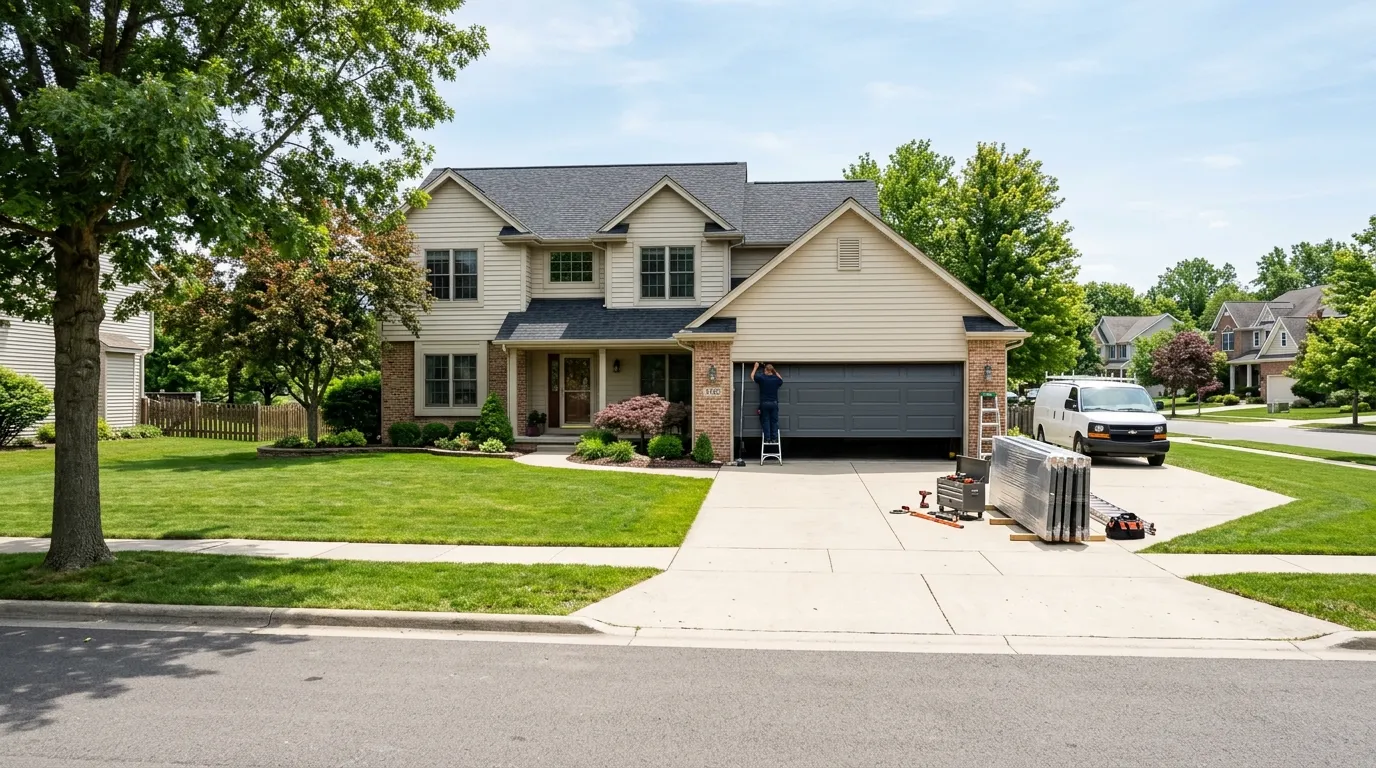
Garage Door Installation
New sectional doors sized and installed for the housing stock actually built in this area.
Learn more →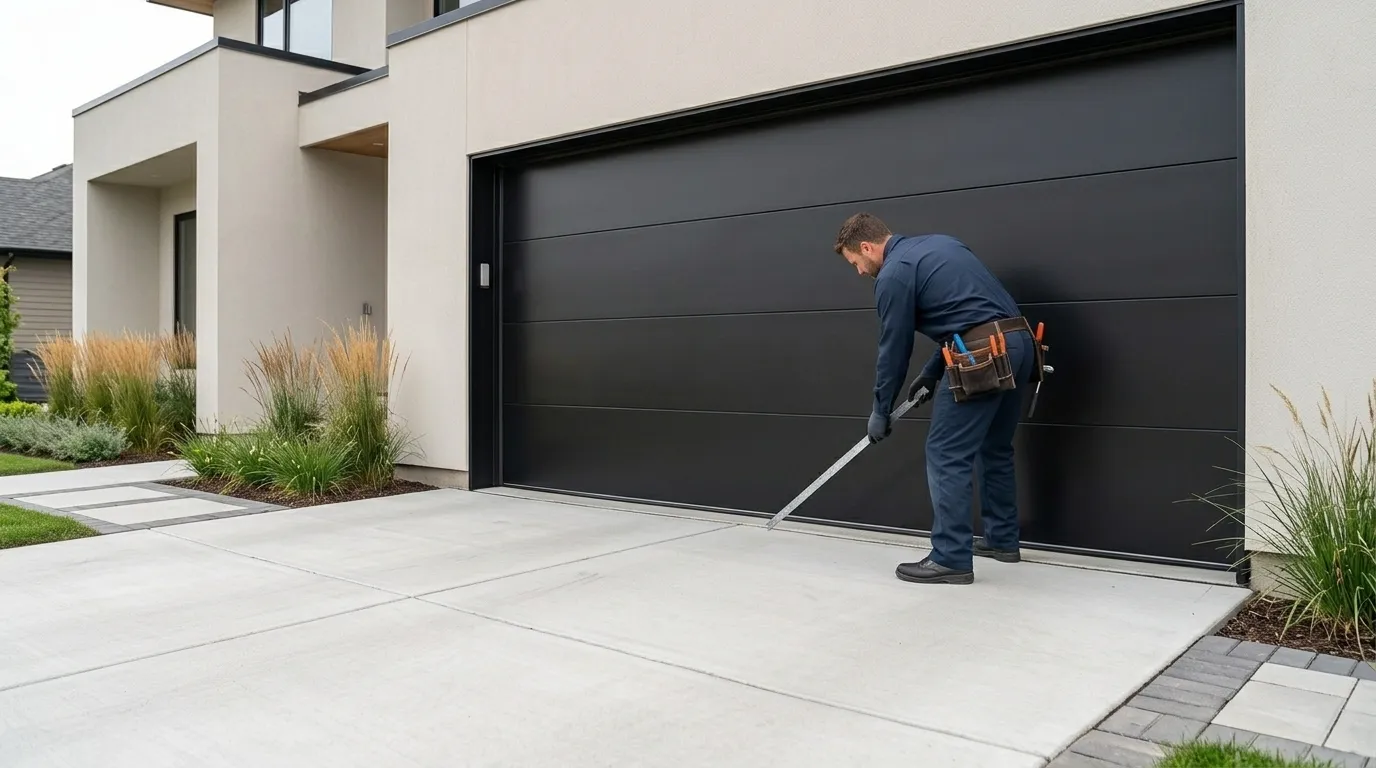
Garage Door Repair
Springs, cables, tracks, rollers, and openers fixed by a tech who explains the problem before touching anything.
Learn more →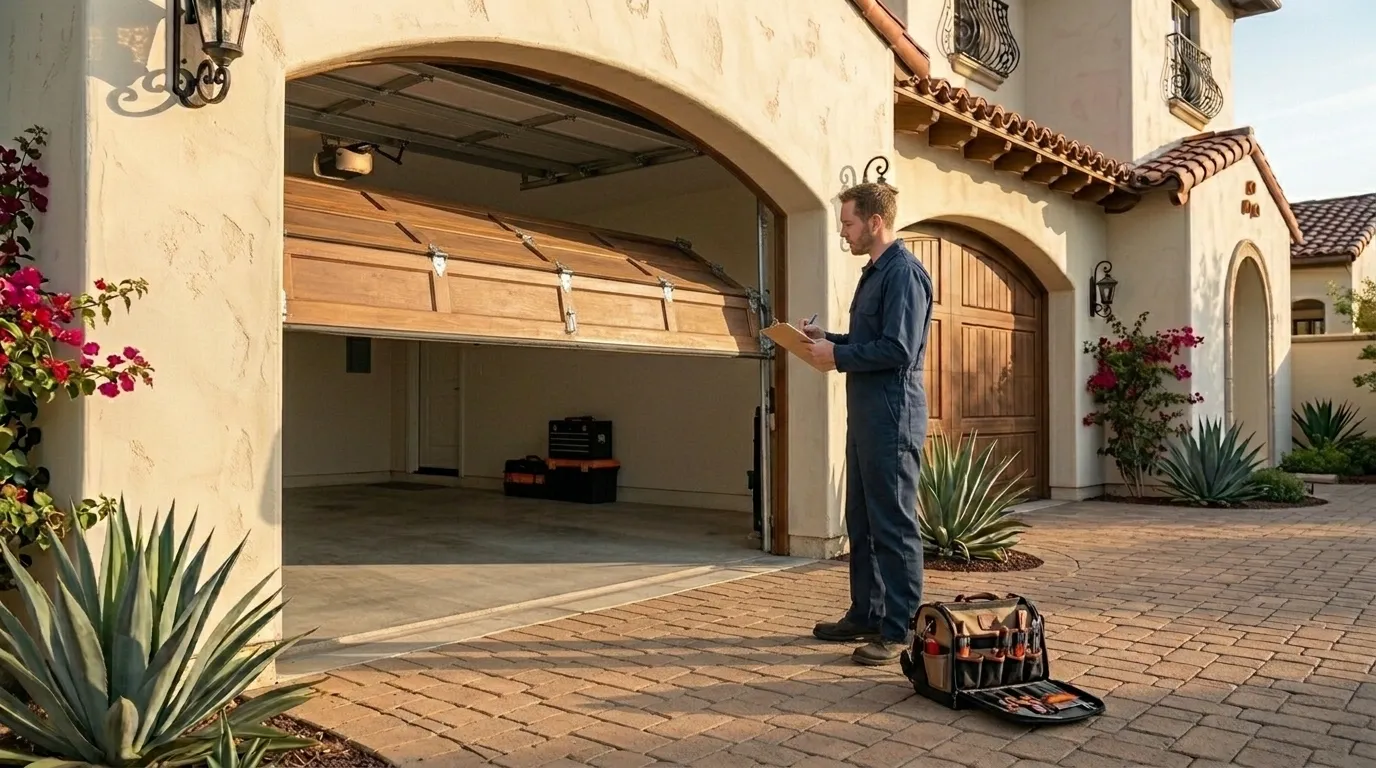
Garage Door Off Track
Doors that jumped the track reset safely, with rollers and alignment checked so it holds.
Learn more →Frequently Asked Questions
Why does my garage door only squeak in the morning?
Cooler overnight temperatures tighten steel slightly, which can make a marginal roller or hinge sound worse for the first hour or two after sunrise. Once things warm up it often quiets down. The noise isn't new damage from the temperature - it's an existing wear point getting more noticeable in cooler air.
My house was built in the 1950s - is that why parts are hard to find?
Likely, yes. A large share of the housing in this area dates to around that period, and doors from that era often used torsion and cable hardware that's since been redesigned. Exact matches sometimes take longer to source than a same-day repair on a newer door.
Is a popping sound a spring about to break?
Not usually. A sudden loud bang followed by the door refusing to move is far more likely to be a broken spring. A repeated pop during normal operation is more often a cable or hinge shifting under stress. Worth having looked at either way, but they're different problems.
Have a Door That Needs a Second Opinion?
Call and describe what it is doing - we will tell you what it likely is.