
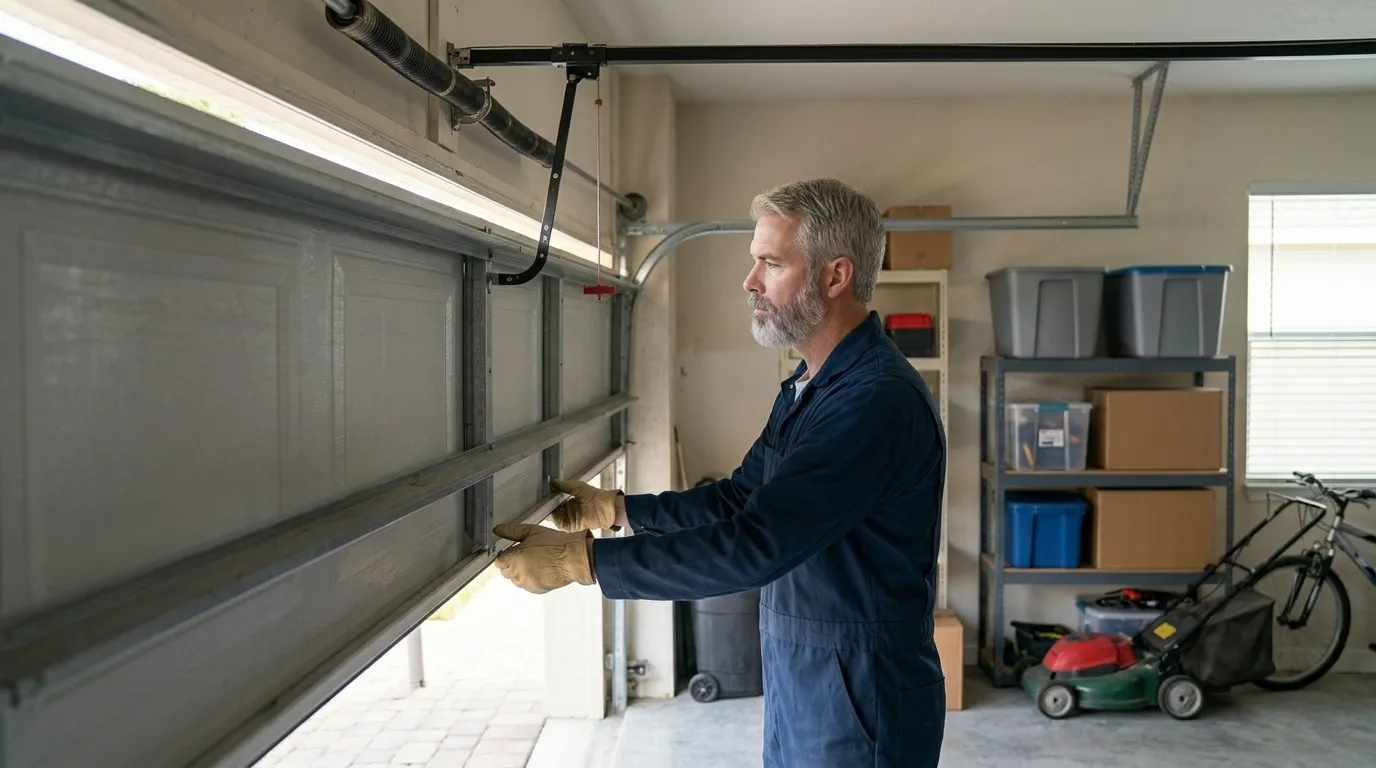
Glendale Neighborhood
Garage Door Service for Atwater Village's 1940s-1960s Homes
Atwater Village sits about 5 miles from Glendale's center, where most houses date to the 1940s-1960s, and garage openings often keep original hardware.
- Licensed & Insured
- Same-Area Service Calls
- Upfront Pricing
Garage Door Services in Atwater Village
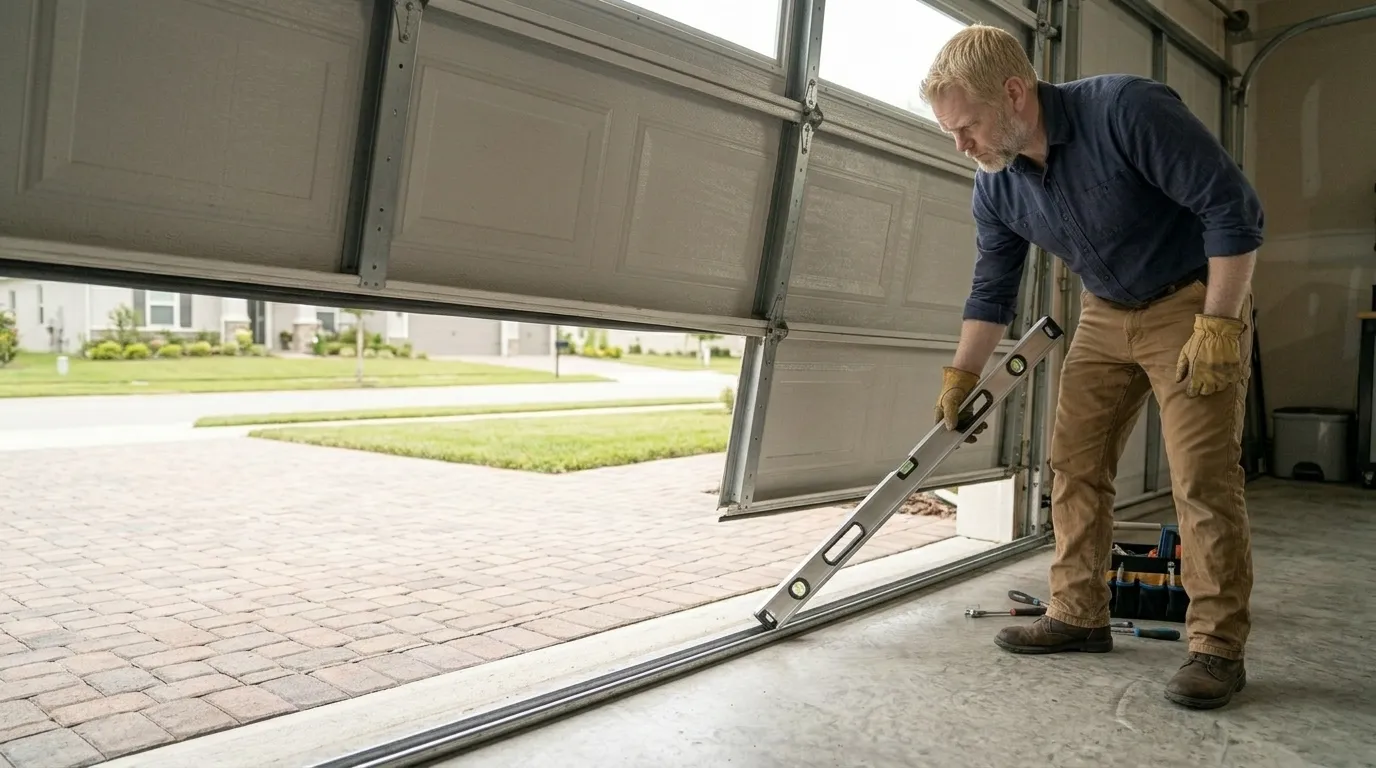
Garage Door Off Track
Doors that jumped the track reset safely, with rollers and alignment checked so it holds.
Learn more →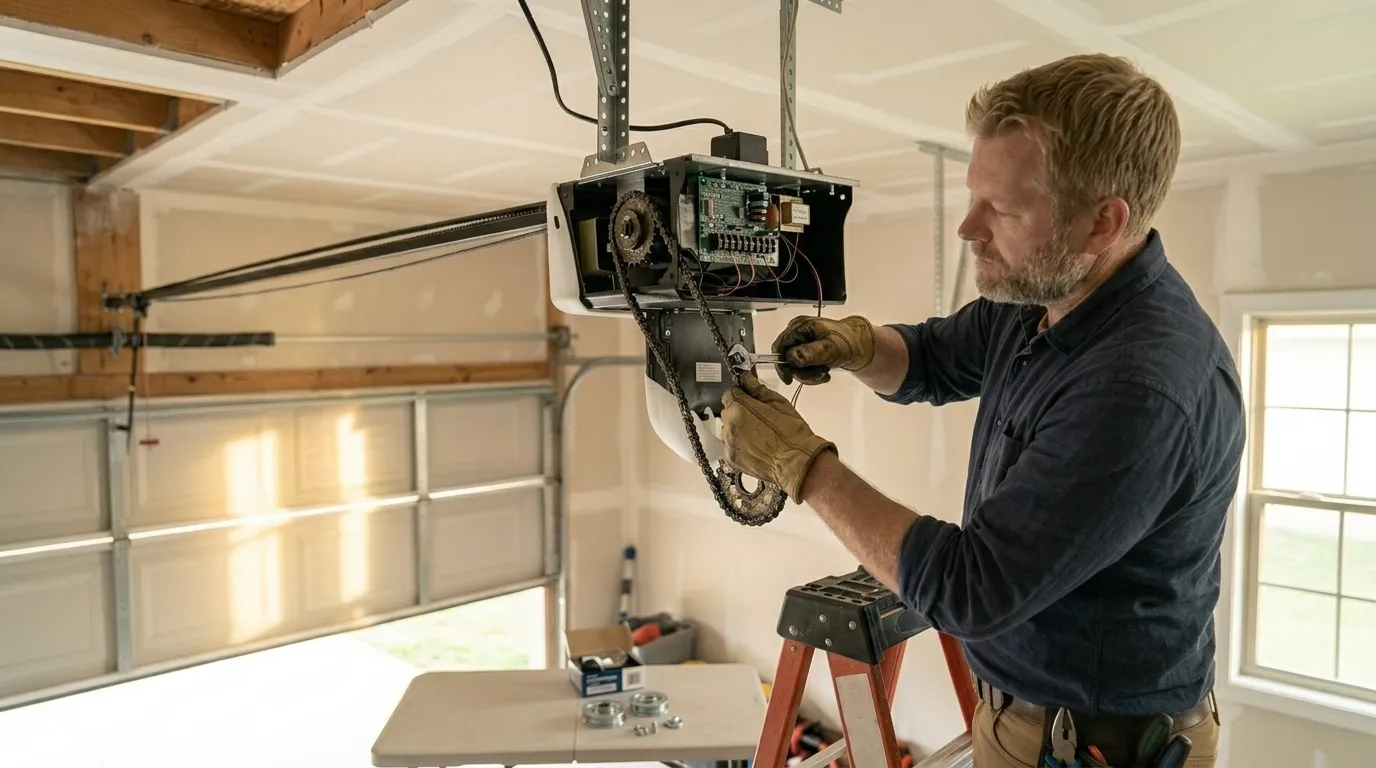
Commercial Garage Door
Commercial Garage Door handled by trained, insured local technicians with upfront pricing.
Learn more →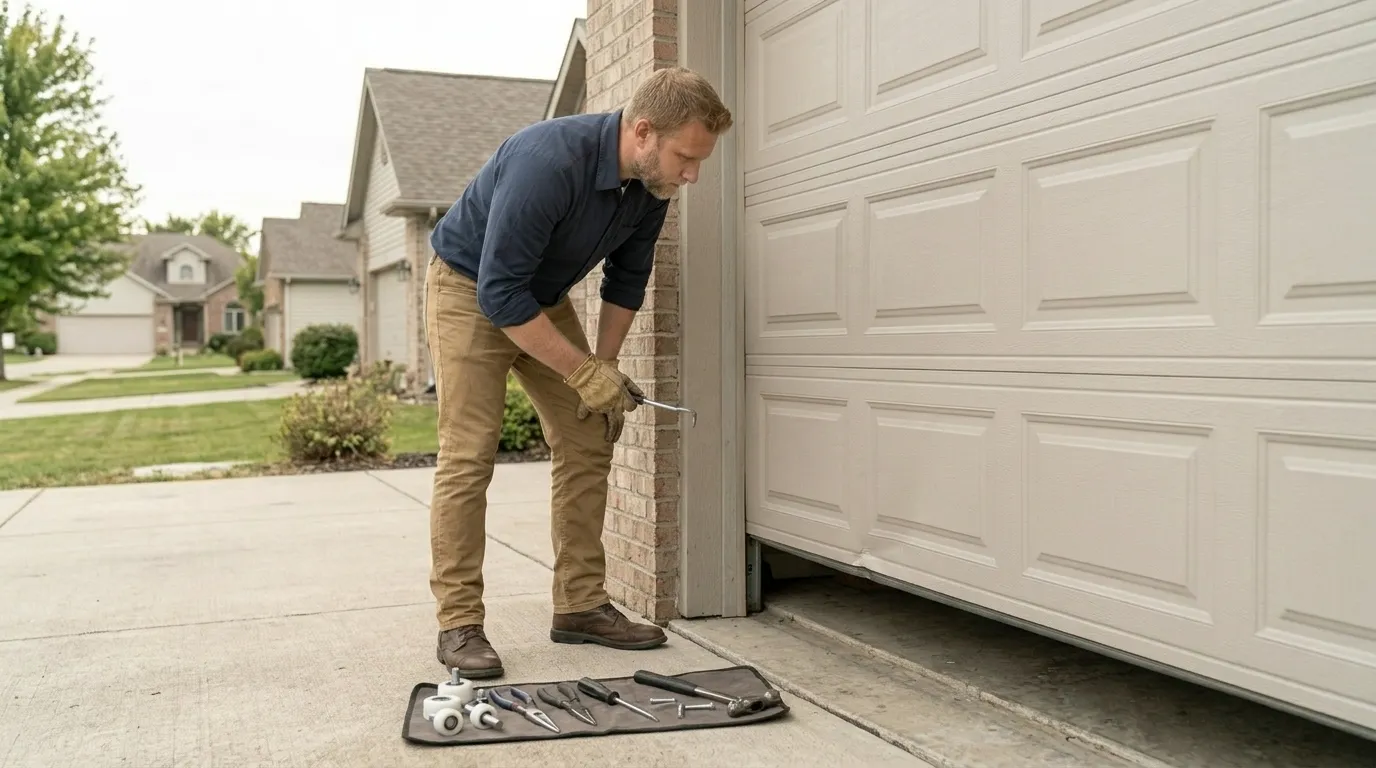
Garage Door Service
Tune-ups, lubrication, and safety checks that catch a small problem before it becomes a service call.
Learn more →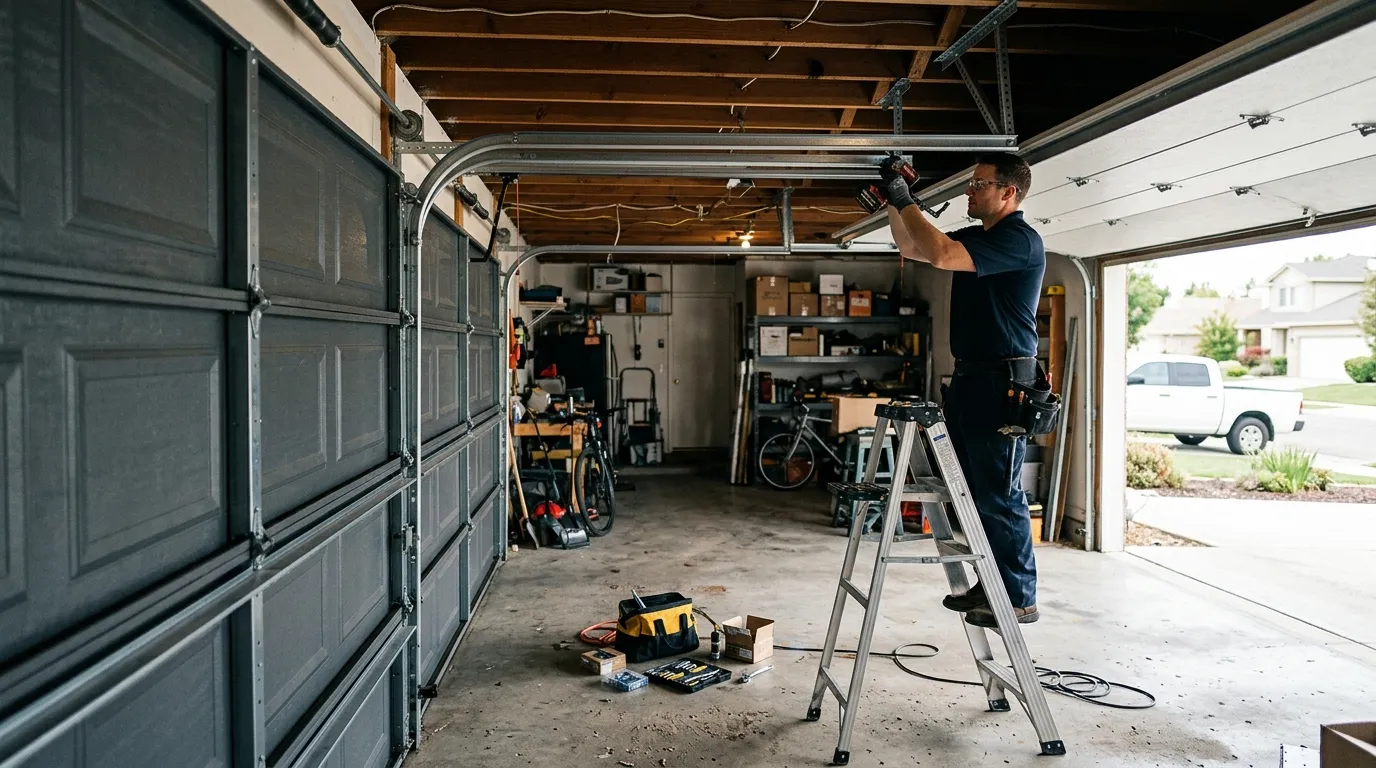
Emergency Garage Door Repair
Emergency Garage Door Repair handled by trained, insured local technicians with upfront pricing.
Learn more →
Garage Door Maintenance
Garage Door Maintenance handled by trained, insured local technicians with upfront pricing.
Learn more →
Garage Door Repair
Springs, cables, tracks, rollers, and openers fixed by a tech who explains the problem before touching anything.
Learn more →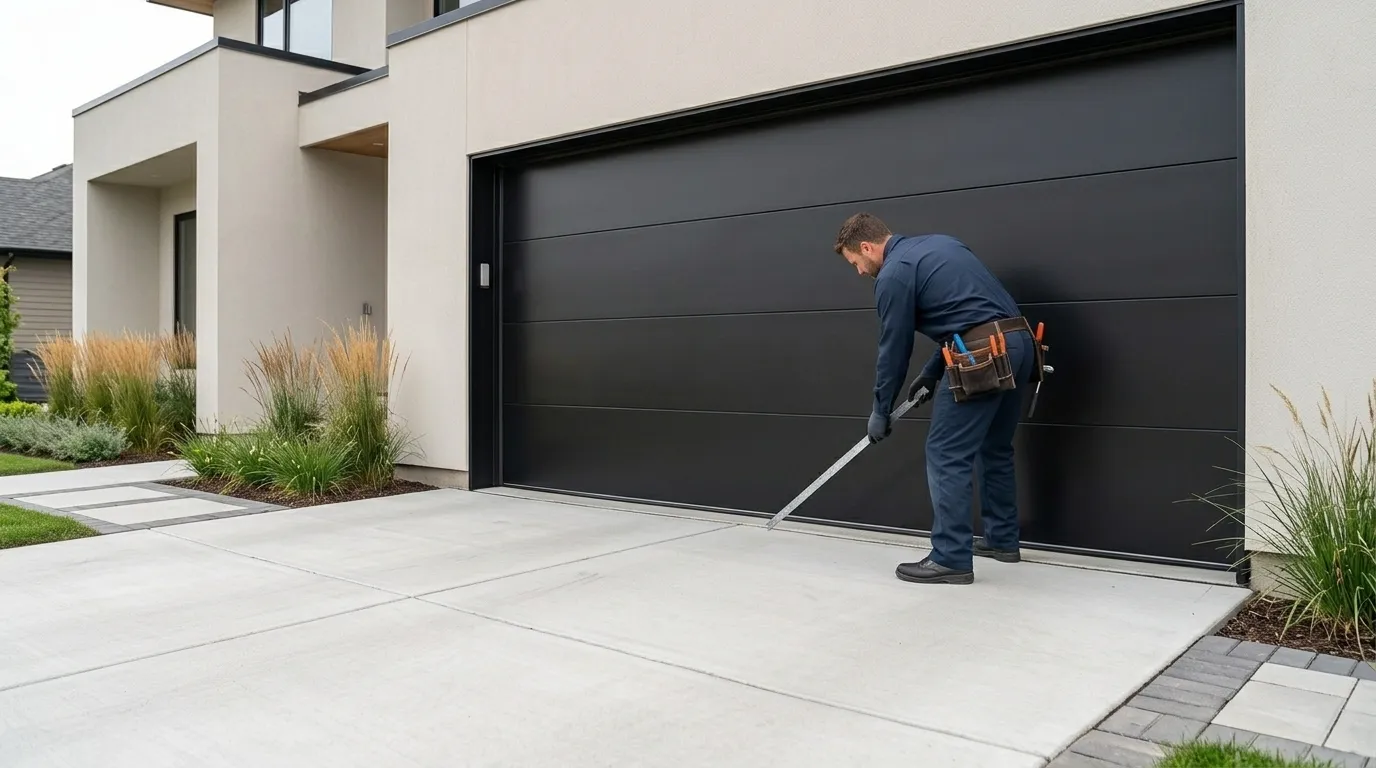
Garage Door Panel Replacement
Dented or cracked panels swapped without replacing the whole door where the frame is sound.
Learn more →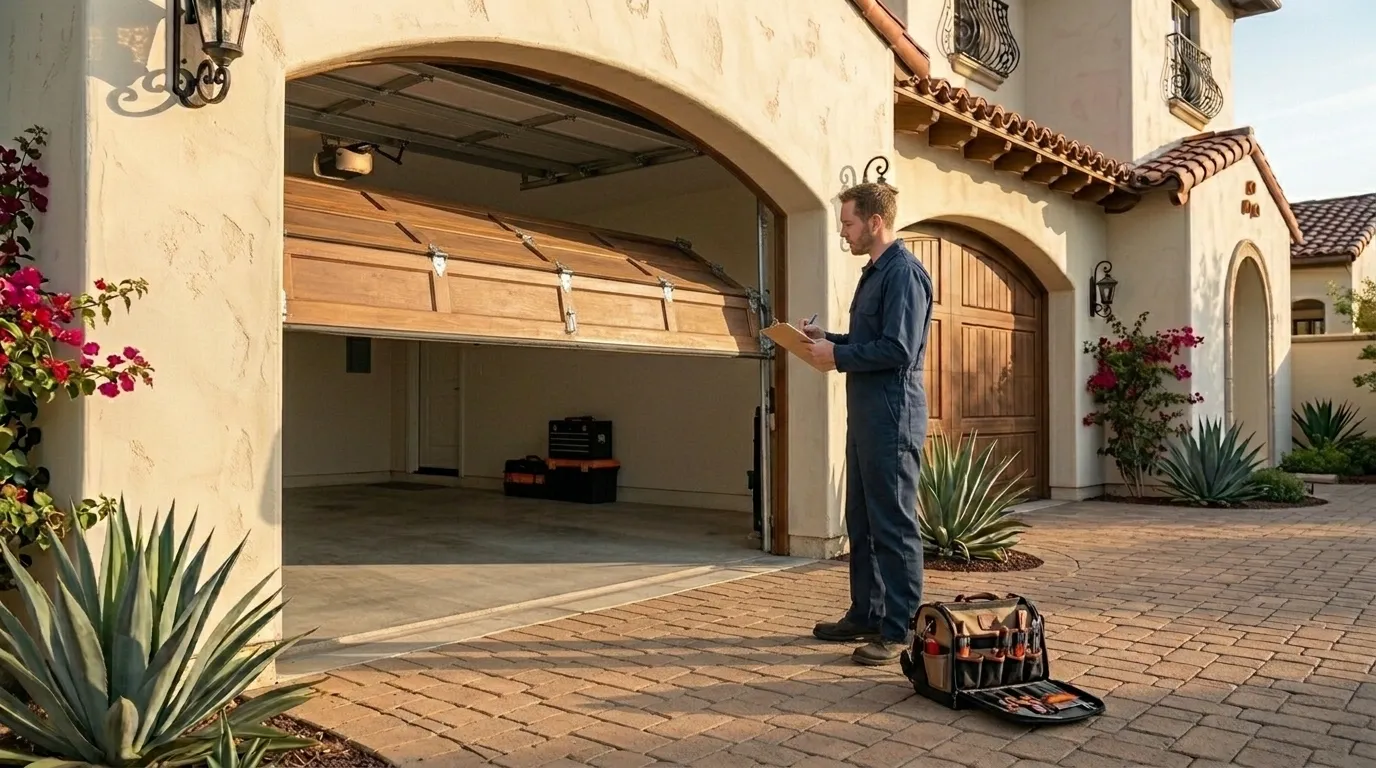
Garage Door Installation
New sectional doors sized and installed for the housing stock actually built in this area.
Learn more →What the Doors Are Like
Atwater Village sits about five miles south-southwest of Glendale's center, part of a service area where the housing stock runs from 1943 to 2012 with a median build year of 1958. Across the 52 named areas we cover, most of that stock predates 1960, and this pocket fits the same pattern. That means a lot of the doors on these blocks are original or close to it: steel roll-up sections on side-mounted torsion springs, sometimes a single wide door on an older two-car garage rather than the paired doors you see on newer builds.
Openers, if they were added later, are often a retrofit bolted onto hardware that was never designed to carry an electric unit. The climate band here is mild temperate, so we're not dealing with the freeze-thaw cracking or heavy snow load that wears out seals and tracks in colder regions. What does wear here is age itself - springs that have cycled tens of thousands of times, rollers worn oval, cables starting to fray at the drum.
None of that shows up as a sudden failure most of the time. It shows up as a door that's gotten louder, or heavier to lift by hand, or a little slower to close than it used to be.
Having It Looked At
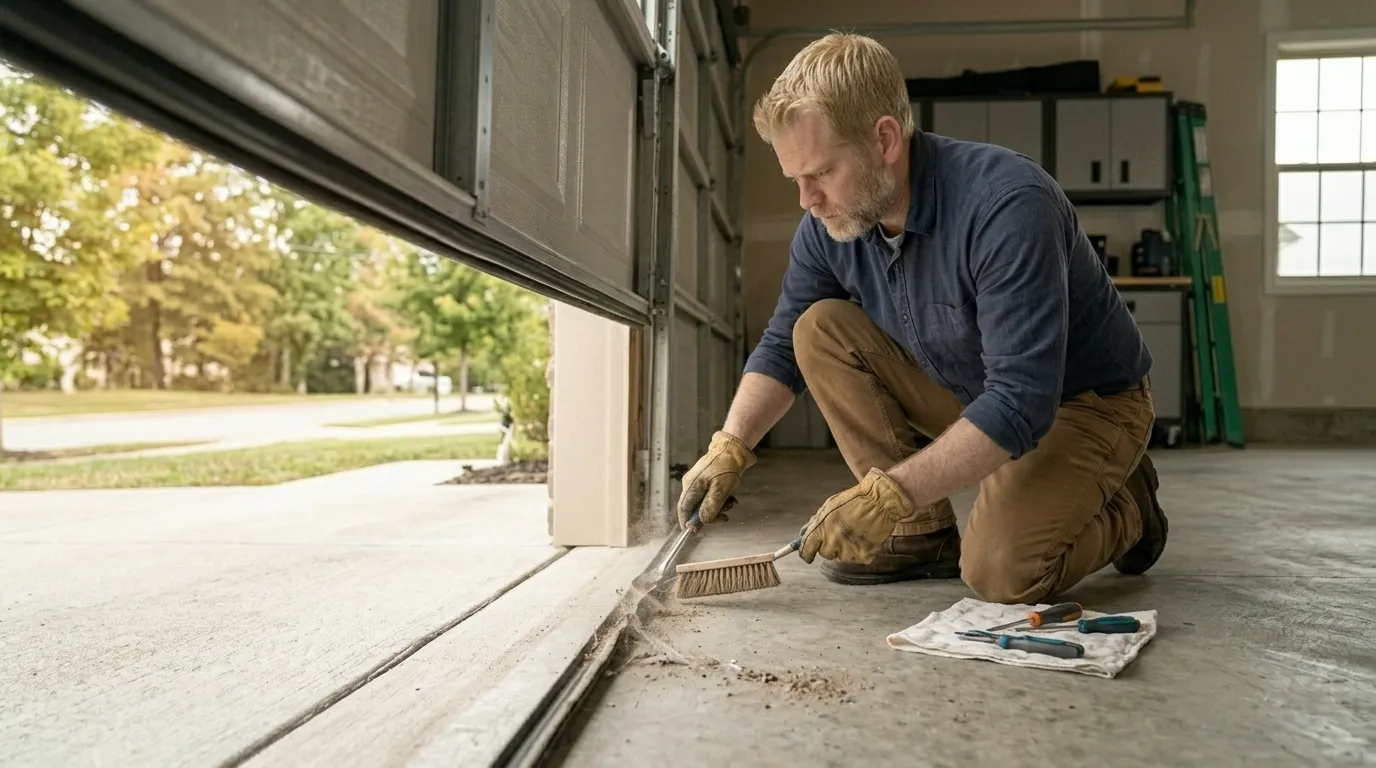
A door installed when this block was built in the late 1950s was almost certainly hung on a torsion spring with hardware nobody stocks off a truck anymore. That's the first thing worth checking on an older Atwater Village door - not the opener, not the remote, but the spring and the drums it winds onto. If the spring is original, it's decades past the cycle count it was rated for, and a spring that lets go under tension is the single most dangerous failure a garage door has.
Track alignment is the second thing. On a lot of these older frames the track was shimmed by hand rather than set to a modern spec, and over sixty-plus years that shimming shifts. We'll also look at the panel itself - steel from this era dents and rusts differently than what's sold now, and matching a single replacement panel to an original color or profile isn't always possible.
That's the honest limit here: on some of these doors, once one section is bad enough, replacing the whole door is the straighter path than chasing a matching part. We'll tell you which situation you're in before we start any work, not after.
Getting Booked In
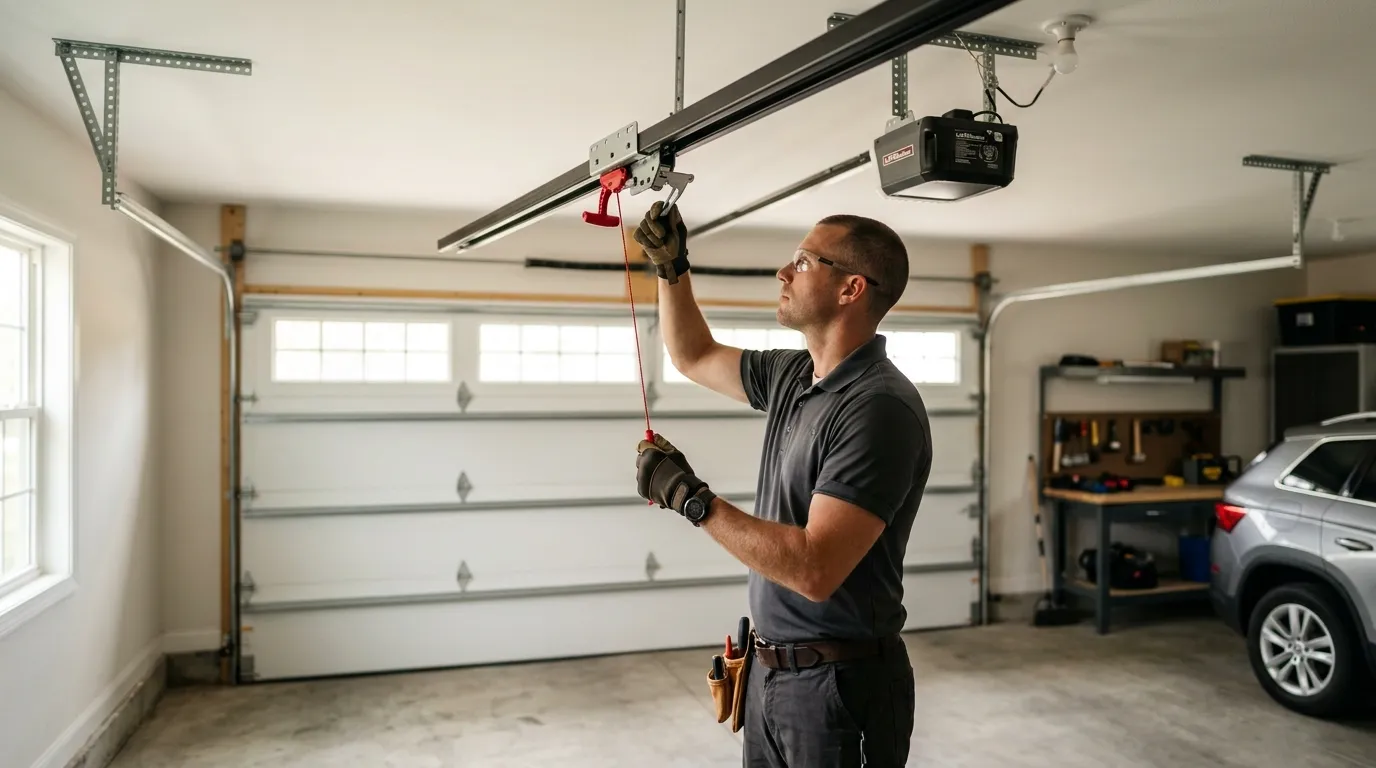
Because the neighborhood sits only about five miles out, we can get a truck there without the long-haul drive time that farther stops on the route, like Culver City or Beverly Hills, add to a day. With the median household income across our service area at $85,940, most of the calls we get here are owners maintaining a house they plan to stay in, not a quick flip repair. If your door is original to a house built in the 1940s through the 1960s, tell us that when you call - it changes what we bring on the truck, since parts for that era aren't the same as what fits a door built in the 2000s.
We book by phone and can usually tell you over that call whether this sounds like a spring job, a track issue, or something bigger. Head to our site to get in touch.
What Happens When You Call
-
1
Call or Request a Quote
Tell us what the door is doing and roughly how old the house is - that alone points us toward the likely part before a truck leaves.
-
2
On-Site Diagnosis
A tech checks the spring, cables, tracks, and opener in person and tells you plainly what is actually wrong.
-
3
Straight Price, No Surprises
You get a number before any work starts. It covers parts and labor, nothing added after the fact.
-
4
Fixed the Same Visit
Most repairs are done in one trip. If a part needs sourcing, we tell you that upfront instead of guessing.
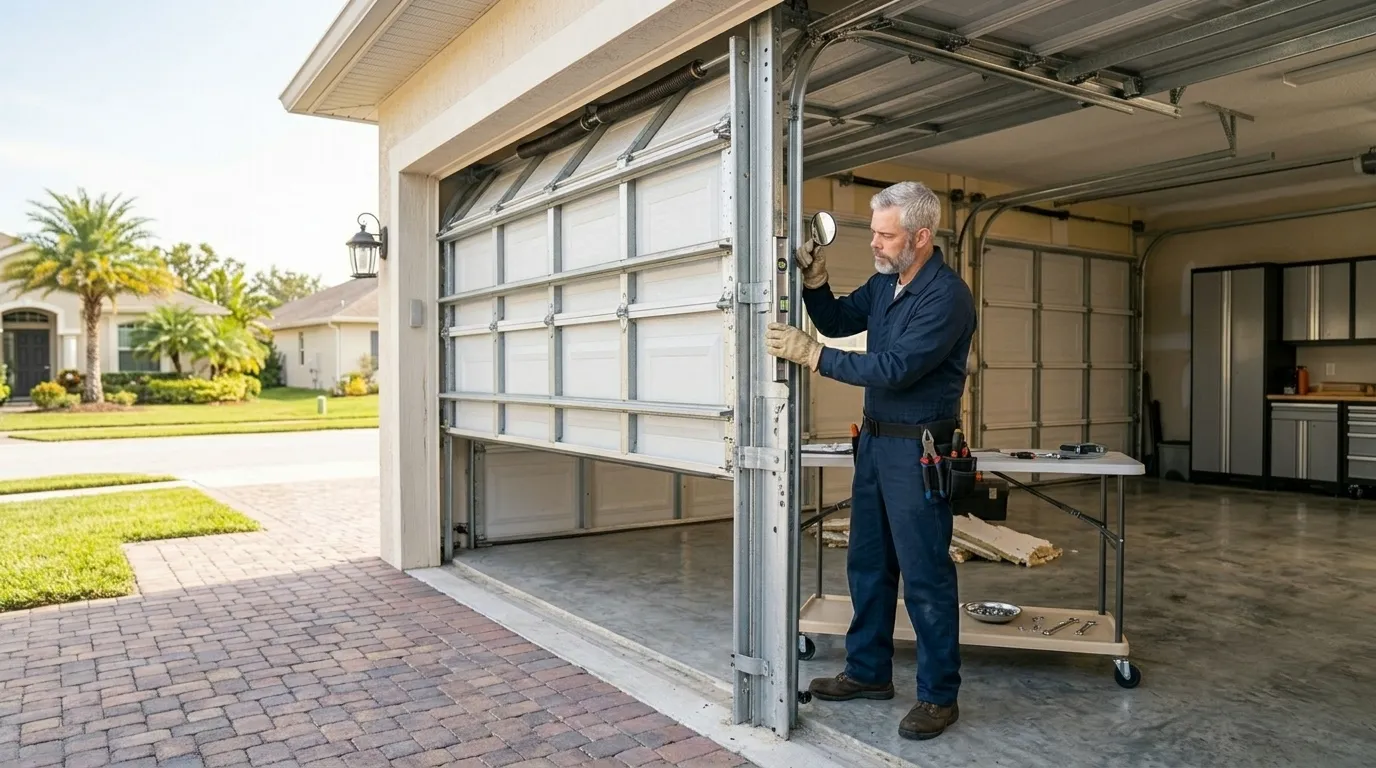
Recent Work Near Atwater Village
Frequently Asked Questions
Are the garage doors in Atwater Village mostly original?
A lot of them are. Housing across this service area runs from 1943 to 2012 with a median build year of 1958, and most of the stock in areas like this predates 1960, so original torsion springs and older steel panels are common.
Does the mild climate here mean less wear on garage doors?
It helps with some things - no freeze-thaw cracking, no heavy snow load pulling on the track. But it doesn't stop springs from cycling out or rollers from wearing down over decades of use. Age still does the damage, just more slowly than in harsher climates.
Can you match a panel on an older door instead of replacing the whole thing?
Sometimes, not always. Steel and finishes from the 1950s and 60s don't always match what's available now. We'll check the door in person and tell you honestly whether a matching panel is realistic or whether a full replacement is the better call.
Get Your Door Fixed in Atwater Village
Call now for same-area service.