
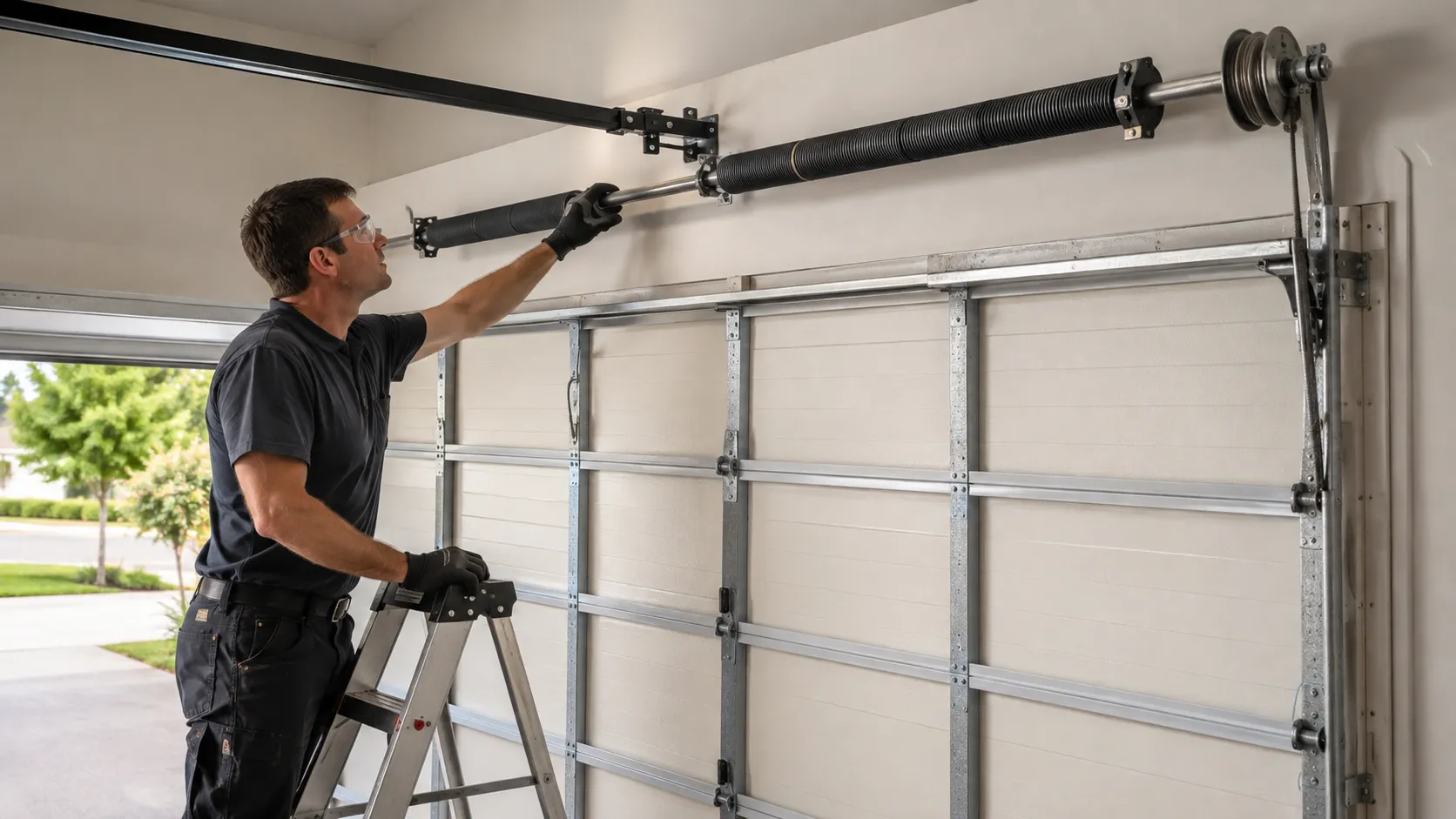
Glendale Garage Door Guide
Why Safety Sensors Drift on Glendale's Older Garages
Glendale's pre-1960 housing stock means retrofit sensors, not original ones. Here's why they drift out of alignment and what actually fixes it.
- Licensed & Insured
- Same-Area Service Calls
- Upfront Pricing
What the Weather Here Does to It
Glendale sits in a mild temperate band, so you're not dealing with the freeze-thaw cycles that crack concrete slabs or the deep humidity swings that warp wood jambs in other parts of the country. That's actually the good news. The bad news is that mild weather masks a different problem: it lets small mounting issues sit unnoticed for years because nothing forces the fix.
In a harsher climate, a sensor bracket that's slowly working loose gets shaken out fast by seasonal expansion and contraction. Here, it just slowly walks out of alignment, a millimeter at a time, until one day the door won't close and you're standing in the driveway pressing the remote over and over. We don't get the dramatic failures.
We get the quiet ones. That's harder to catch and it's why sensor drift shows up on service calls more than people expect for a place with decent weather. The housing stock plays a bigger role in this than the climate does, which is the part most articles on this topic skip.
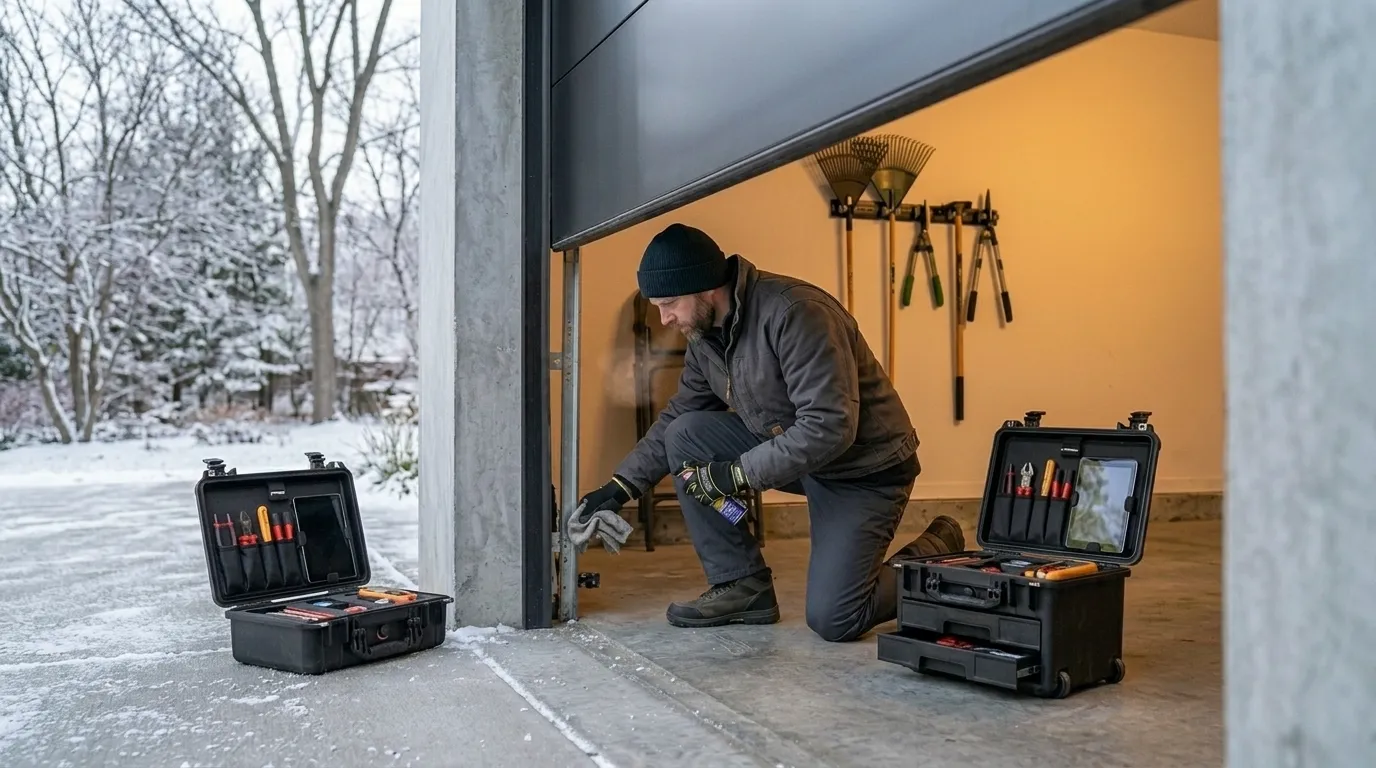
The Seasonal Bit
There isn't much of a seasonal spike here the way there is with heaving driveways or ice-jammed tracks elsewhere. What you do get, mild as the climate is, is enough ground settling over decades - especially on slabs poured in the 1940s through 1960s, which describes a lot of Glendale's older stock - to tilt a track frame by a degree or two. That's not weather doing damage in a single event.
It's sixty-plus years of small movement. A sensor eye mounted on a bracket screwed into a jamb that's shifted that slightly will still send a beam, just not quite where the other eye expects it. On these older slabs the drift tends to be gradual and directional rather than sudden, which is why a lot of homeowners describe it as 'it just started acting up' with no obvious cause.
There usually is a cause. It's just been happening for years, not overnight.
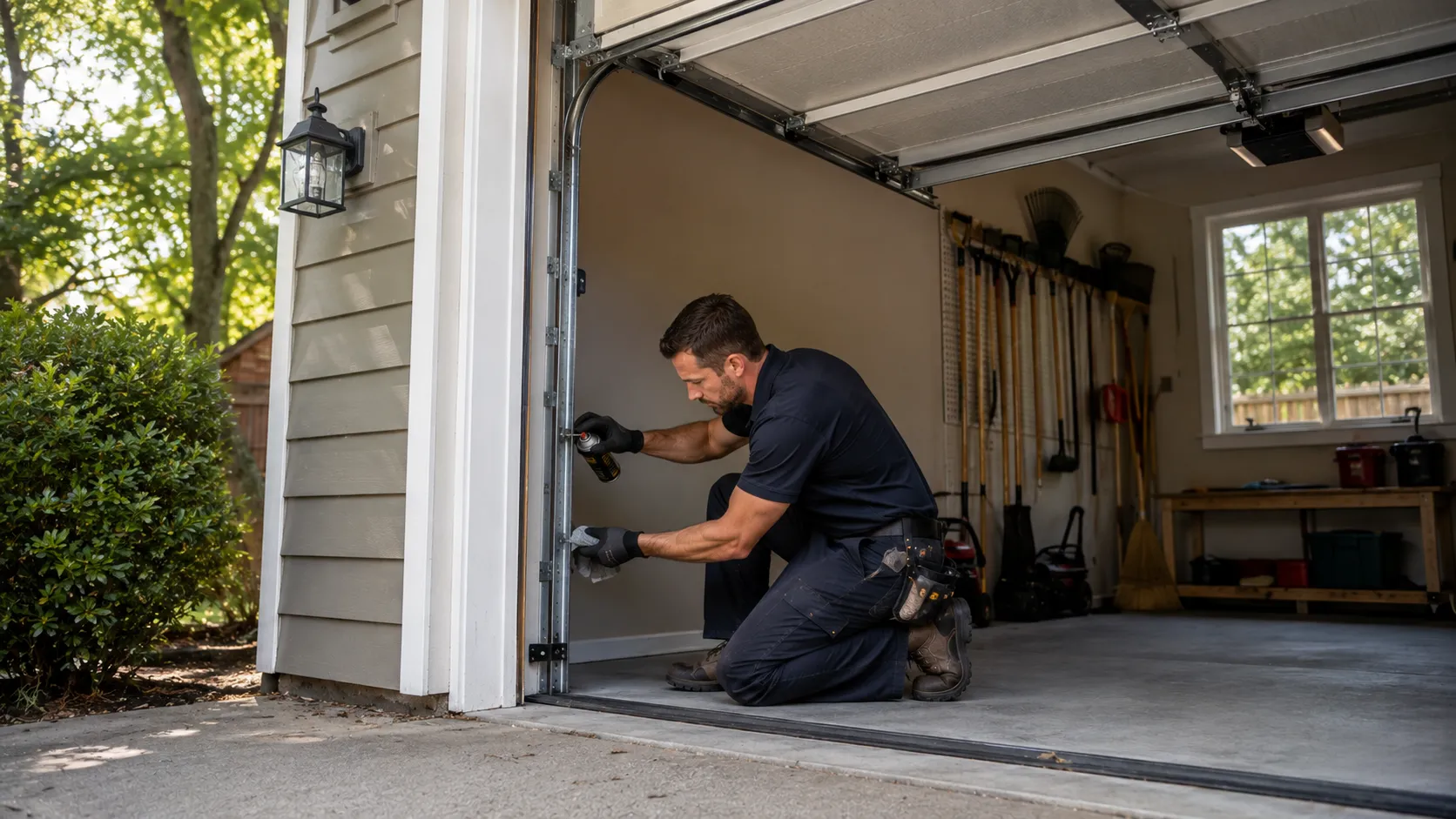
The Problem
Automatic reversal sensors became a federal requirement in 1993. Glendale's housing stock runs from 1943 to 2012 with a median build year of 1958 - meaning a large share of garages here were built decades before sensors were ever required, and had them added later as a retrofit onto framing and track hardware that was never designed to hold them. A retrofit bracket, especially one screwed straight into old wood trim or a shimmed stud, doesn't hold alignment the way a factory-mounted sensor does.
Add a paint job, a door panel swap, or just somebody leaning a bike against the wall over the years, and the eyes go a few degrees off true. The door still runs. It just won't reverse reliably, or it stops a foot from the floor for no visible reason.
This is the single most common sensor complaint we see on pre-1960 Glendale garages, and it's a mounting problem inherited from the retrofit, not a wiring fault.
When to Get Help
If the door reverses before touching the floor, or the opener light blinks a set number of times with no obvious obstruction, don't keep pressing the button hoping it clears itself - that's the sensor telling you it's lost its partner across the track, and repeated cycling can strain the opener motor. Call if you've wiped both lenses, checked nothing is blocking the beam, and it's still not lining up: on retrofit-mounted sensors in older Glendale garages, that usually means the bracket itself needs to be reset or replaced, not just nudged.
One honest limit here - if the original jamb or slab has shifted enough that the frame itself is out of square, realigning the sensor is a short-term fix and the frame is the real job. We'll tell you which one you're looking at before we charge you for either.
How We Can Help
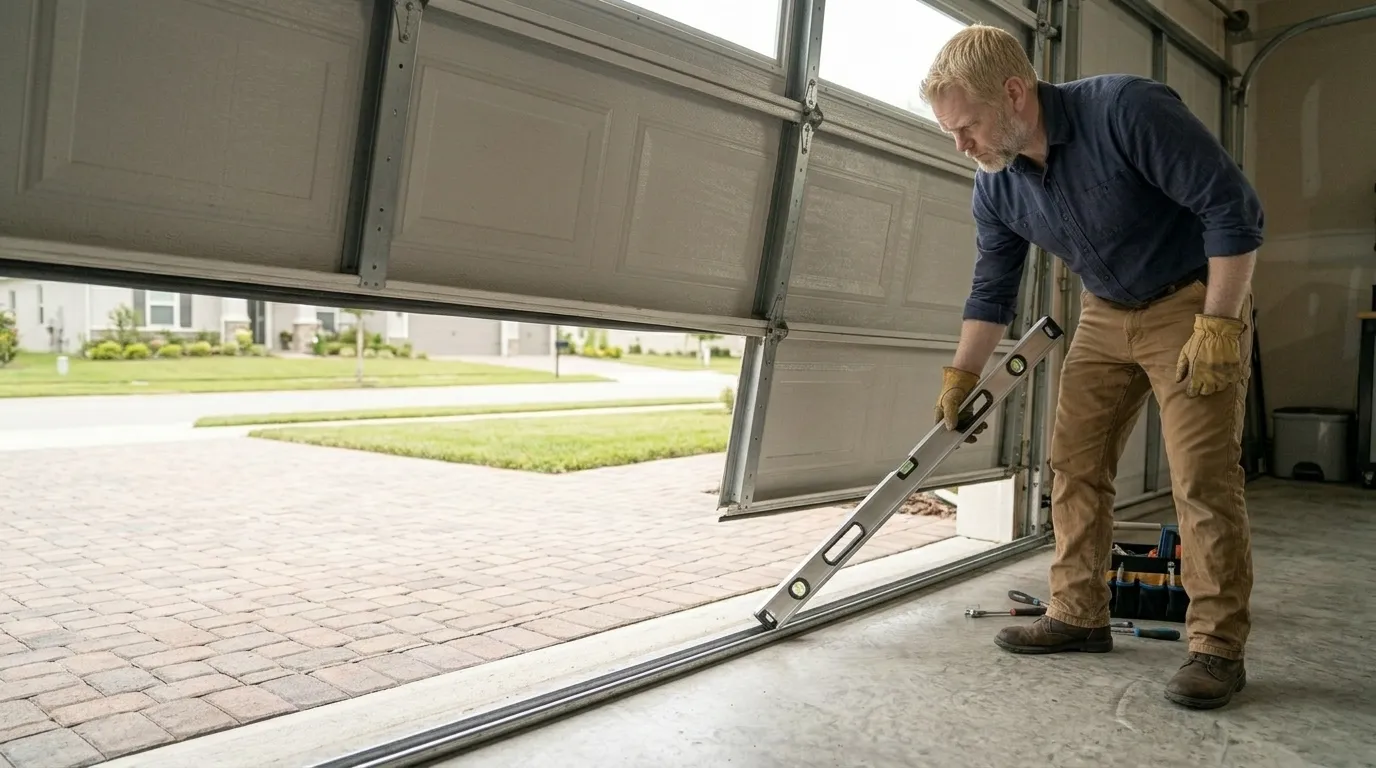
Emergency Garage Door Repair
Emergency Garage Door Repair handled by trained, insured local technicians with upfront pricing.
Learn more →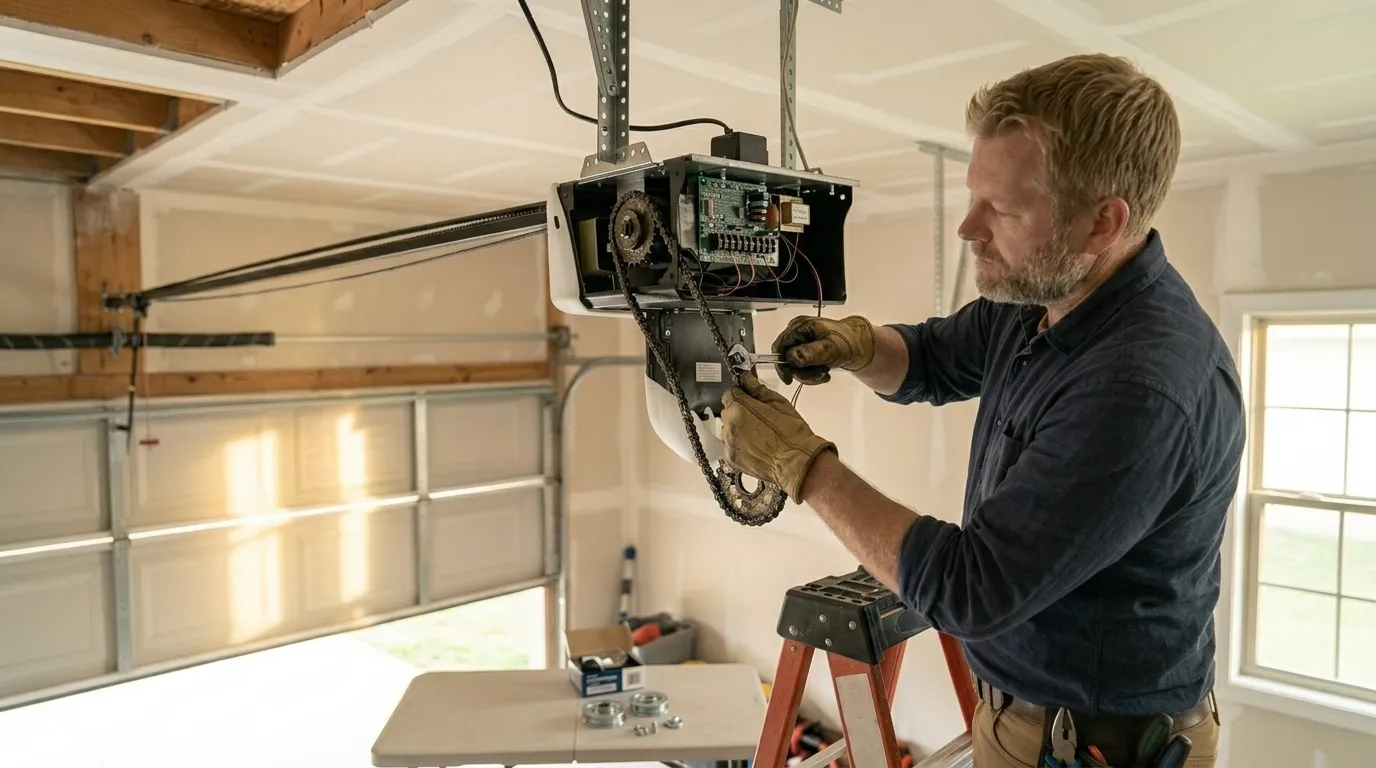
Garage Door Maintenance
Garage Door Maintenance handled by trained, insured local technicians with upfront pricing.
Learn more →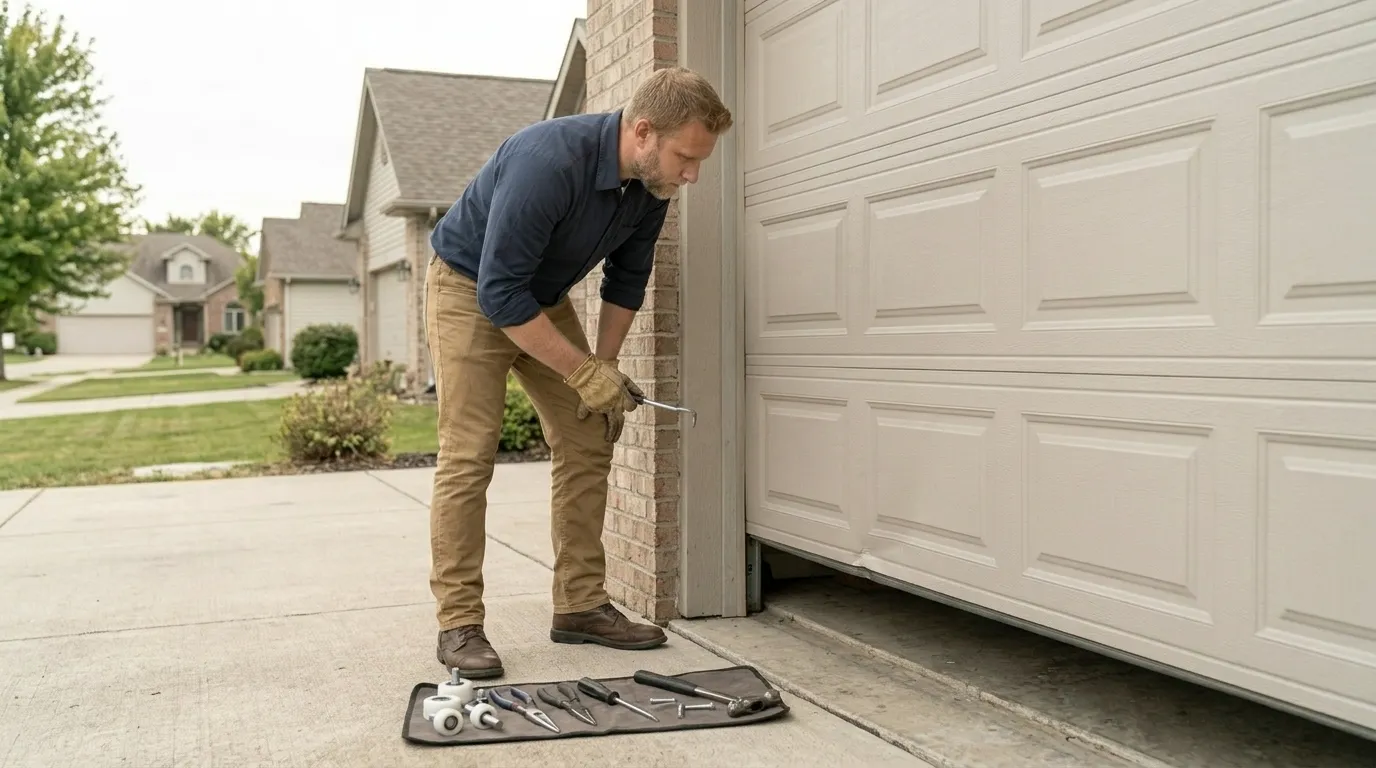
Commercial Garage Door
Commercial Garage Door handled by trained, insured local technicians with upfront pricing.
Learn more →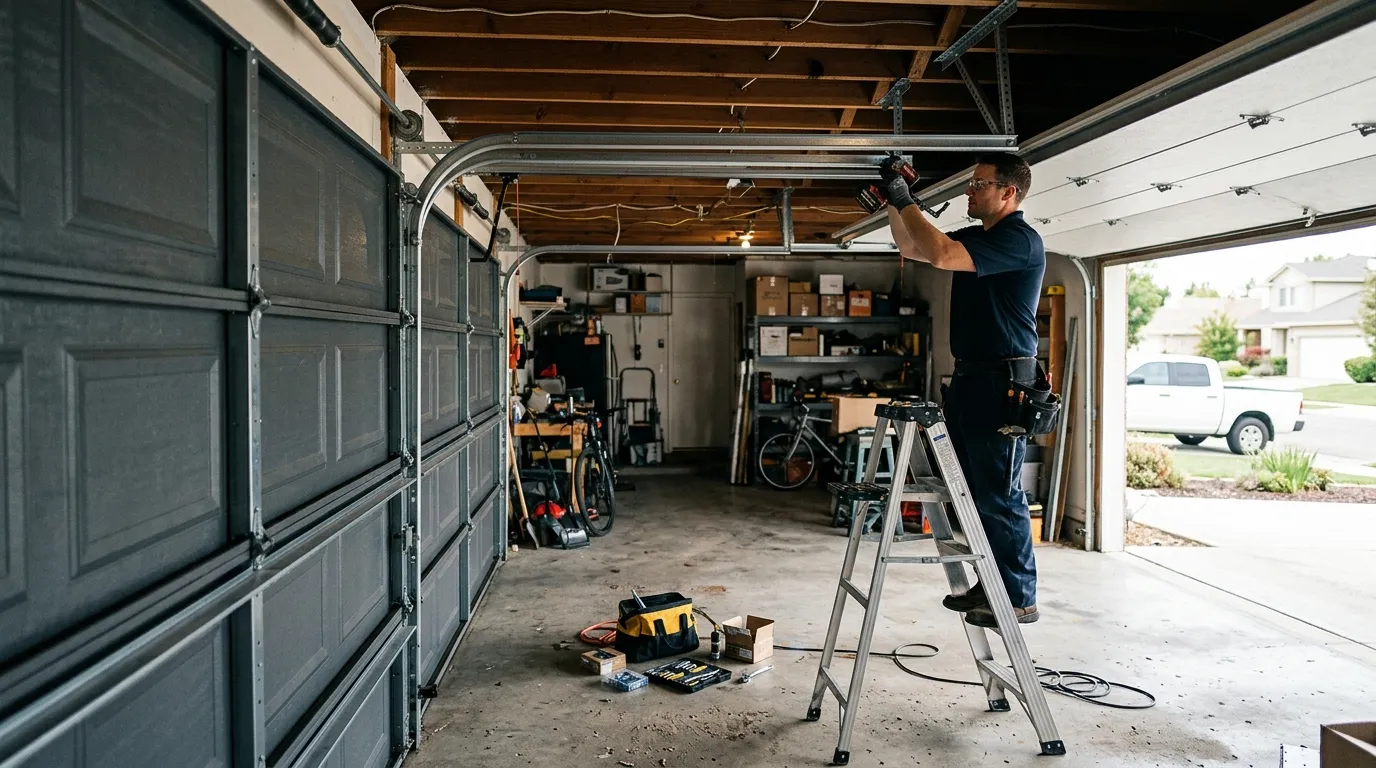
Garage Door Service
Tune-ups, lubrication, and safety checks that catch a small problem before it becomes a service call.
Learn more →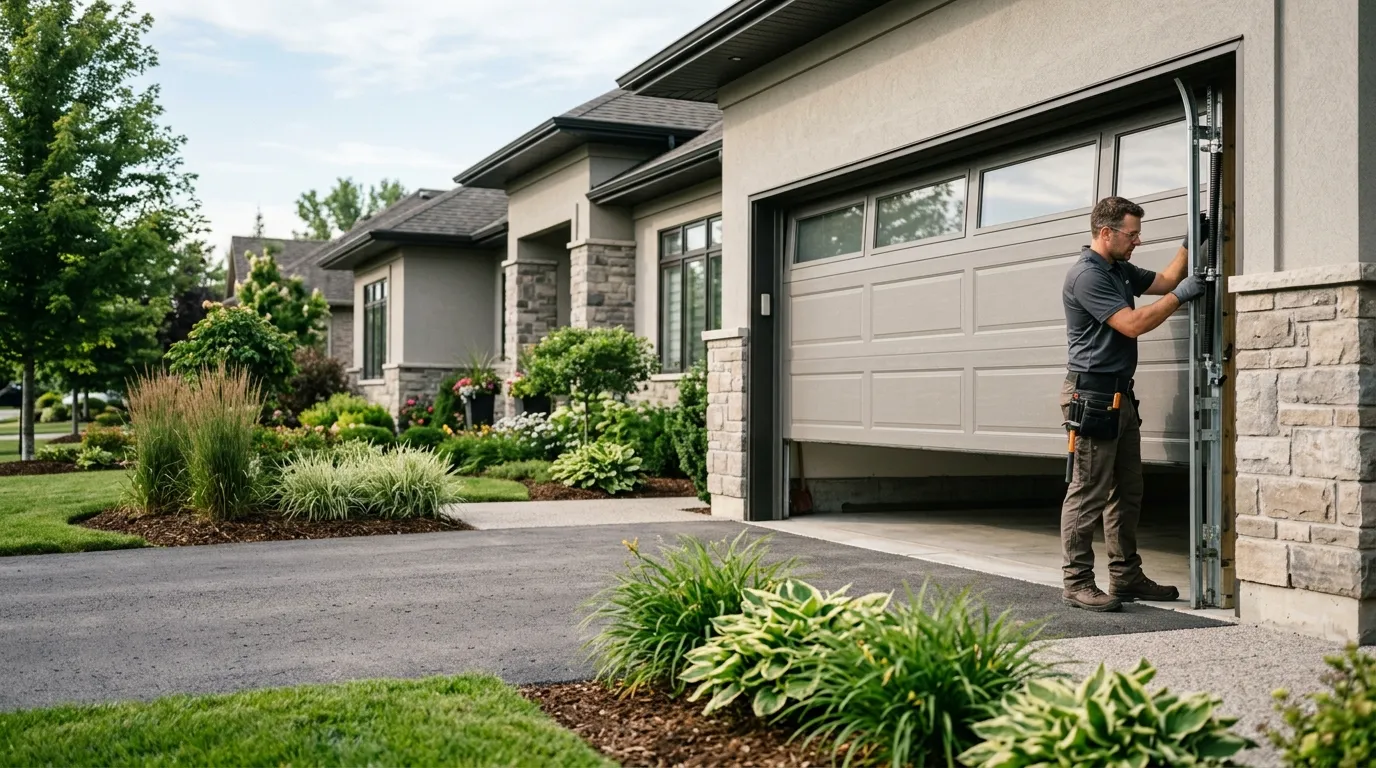
Garage Door Panel Replacement
Dented or cracked panels swapped without replacing the whole door where the frame is sound.
Learn more →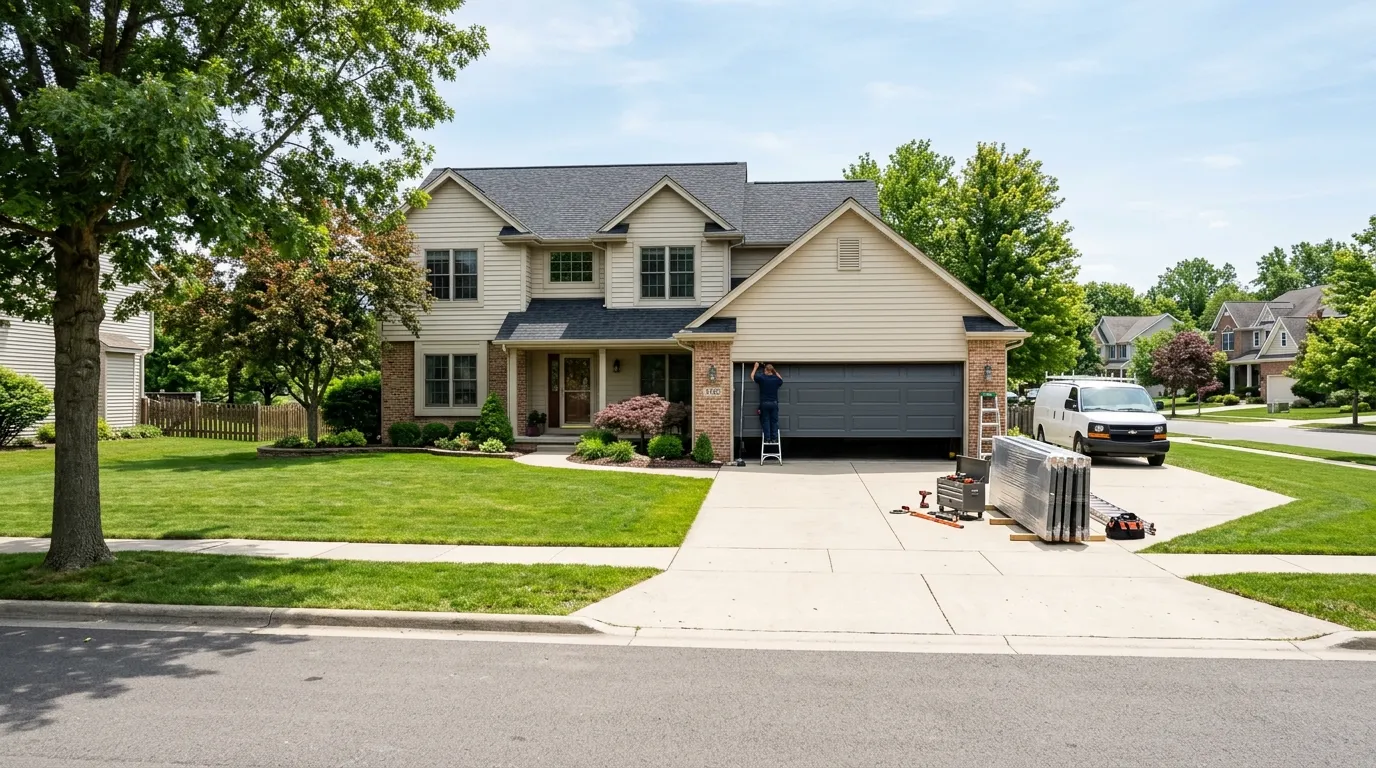
Garage Door Installation
New sectional doors sized and installed for the housing stock actually built in this area.
Learn more →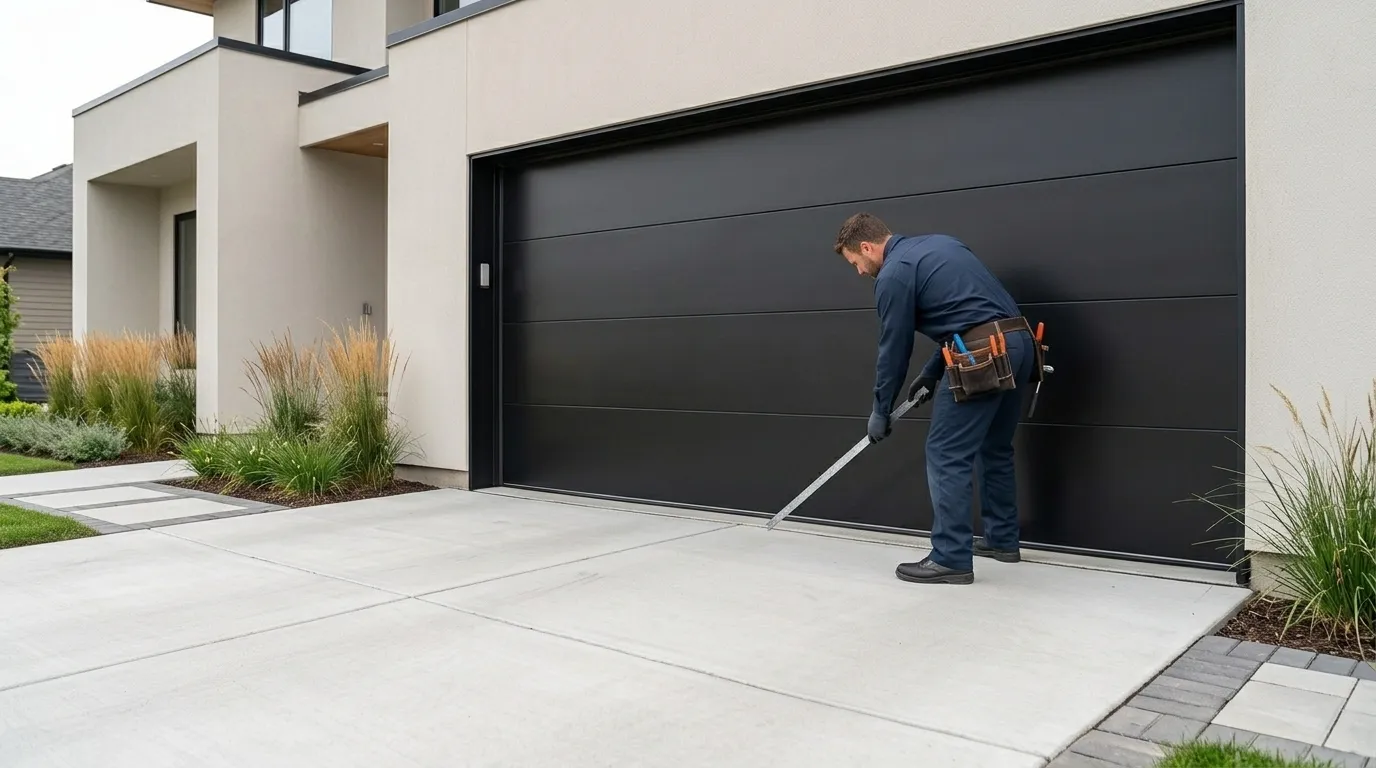
Garage Door Repair
Springs, cables, tracks, rollers, and openers fixed by a tech who explains the problem before touching anything.
Learn more →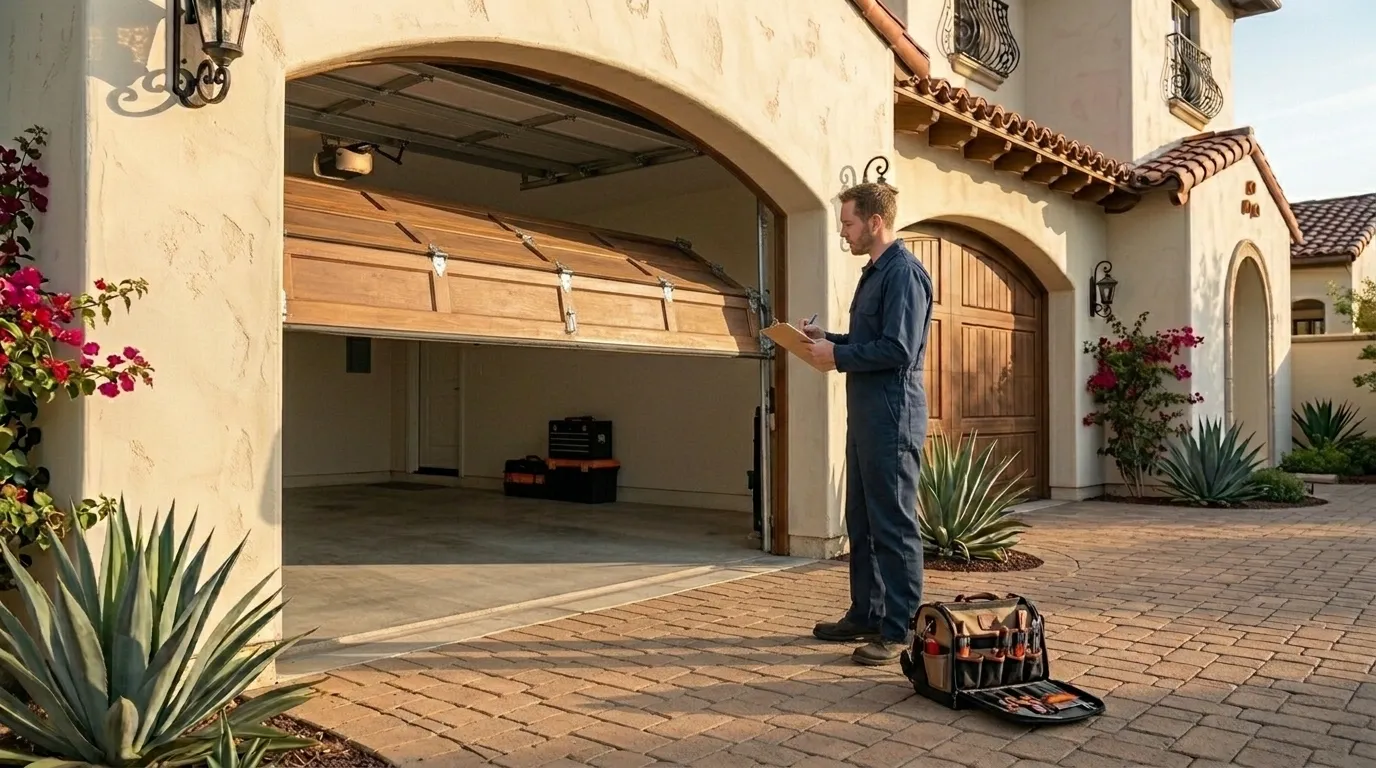
Garage Door Off Track
Doors that jumped the track reset safely, with rollers and alignment checked so it holds.
Learn more →Frequently Asked Questions
Why do my garage door sensors keep going out of alignment when nothing hit them?
On Glendale's older homes, sensors are often retrofit-mounted onto framing built decades before sensors were required. Small settling in a slab poured in the 1950s or 60s can tilt that bracket over time, even with no impact at all. It reads as random but it's usually gradual.
Does Glendale's mild climate cause sensor problems?
Not directly the way freeze-thaw climates do. The mild weather here just means misalignment happens slowly and quietly instead of all at once, so it tends to go unnoticed longer before someone finally deals with it.
Is a drifting sensor a wiring issue or a mounting issue?
On older Glendale garages it's almost always mounting, not wiring. The sensor eyes are usually fine electrically; the bracket holding them has moved relative to the other side. Check alignment before assuming a wiring fault.
When should I stop trying to fix it myself?
Once you've cleaned both lenses and confirmed nothing blocks the beam and it still won't hold alignment, the bracket or frame likely needs work. That's a call, not a cleaning job.
Have a Door That Needs a Second Opinion?
Call and describe what it is doing - we will tell you what it likely is.