
Service
Garage Door Repair in Glendale, CA
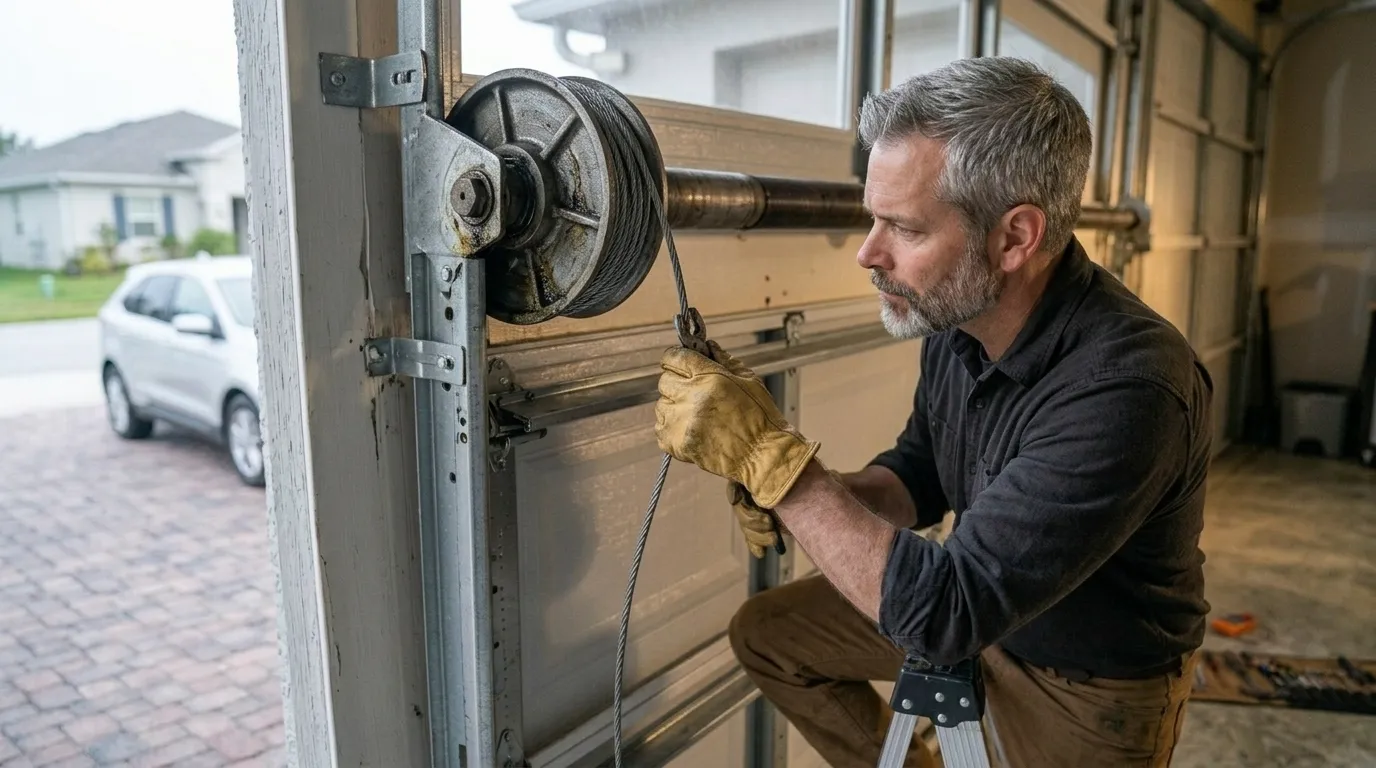
Glendale garage door repair for the pre-1960 torsion hardware common across Glendale's 52 named areas. Mild-climate wear, not freeze damage, is what actually fails here.
- Licensed & Insured
- Same-Area Service Calls
- Upfront Pricing
What Happens When You Call
-
1
Call or Request a Quote
Tell us what the door is doing and roughly how old the house is - that alone points us toward the likely part before a truck leaves.
-
2
On-Site Diagnosis
A tech checks the spring, cables, tracks, and opener in person and tells you plainly what is actually wrong.
-
3
Straight Price, No Surprises
You get a number before any work starts. It covers parts and labor, nothing added after the fact.
-
4
Fixed the Same Visit
Most repairs are done in one trip. If a part needs sourcing, we tell you that upfront instead of guessing.
Why It Happens Here
Glendale's housing stock runs 1943 to 2012, but the median build year sits at 1958, and F2 confirms that across the 52 named areas that make up this city, the pre-1960 stock dominates. That matters for one reason: torsion springs, drums, and cable systems installed on a 1958 door were built to a spec nobody manufactures to anymore. When one of those springs finally gives out, it's not a defect, it's sixty-plus years of duty cycles catching up.
The climate angle is different from what you'd guess. Glendale sits in a mild temperate band, so we're not dealing with freeze-thaw cracking in the coil steel the way colder states do. What actually fatigues a spring here is UV exposure on doors facing south or west, plus daily heat-cycling in an uninsulated garage - the metal expands and contracts every single day, all year, with no winter shutdown to slow that wear.
In neighborhoods like Crescenta Highlands, four miles north, and Downtown, two miles south, we see the same 1958-era torsion springs failing at close to the same age, regardless of which side of the city the house sits on. The hardware era is doing more to predict the failure than the specific street.
What You Are Seeing
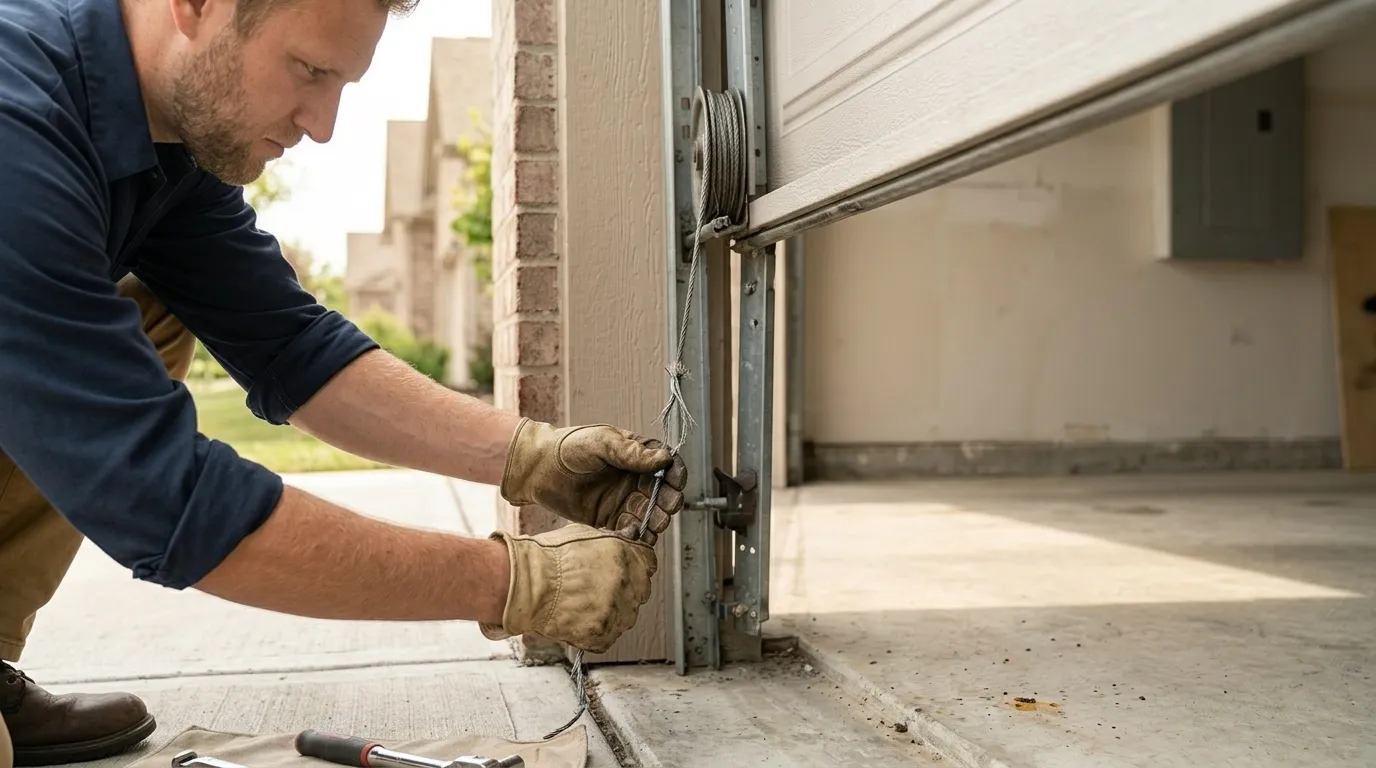
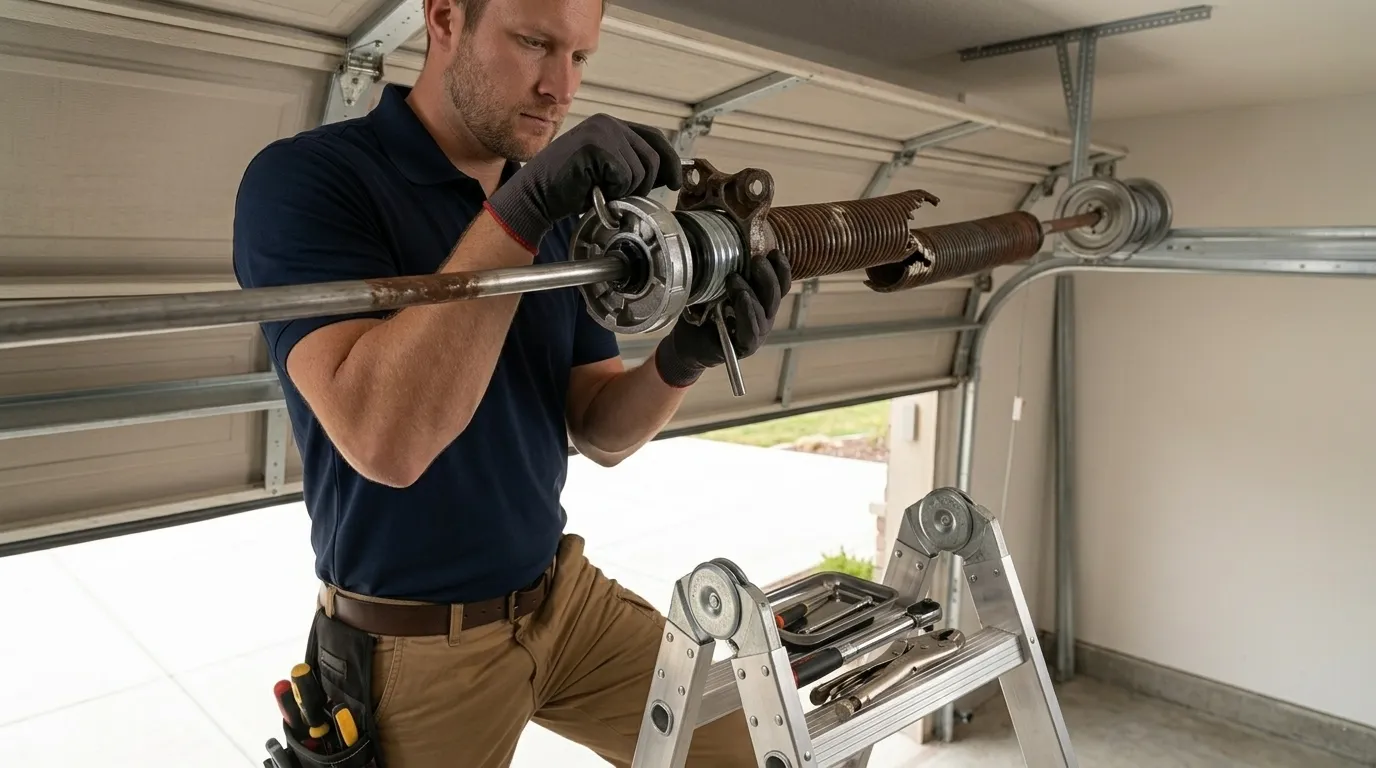
The most common call is a door that won't budge, or one that slams down the last foot of travel - both point to a broken torsion spring on the header above the door. If you see a gap in the coil or the spring hanging loose to one side, that's confirmed. A door that's noticeably heavier to lift by hand than it used to be, even before it fails outright, is usually a spring that's lost tension gradually rather than snapped.
On older openers paired with this original hardware, you'll also see the opener straining, grinding, or reversing mid-close - it's trying to lift a spring-assisted door that no longer has the spring doing its share. That's a mechanical problem showing up as what looks like an electrical one, and it's easy to misdiagnose if you only look at the opener.
Rollers on doors this age are frequently the original steel ones, and steel rollers on a 1958-era track show their wear as a rough, uneven rumble rather than a clean roll. Track misalignment from decades of settling shows up as a door that binds on one side only.
What the Fix Involves
A broken torsion spring gets replaced in a matched pair, sized to the door's actual weight and wound to the correct torque - guessing on either number is how a second spring lets go within a year. On original 1958-era hardware, that often means measuring the drum and shaft diameter carefully, because those dimensions don't always match what's sold off the shelf today.
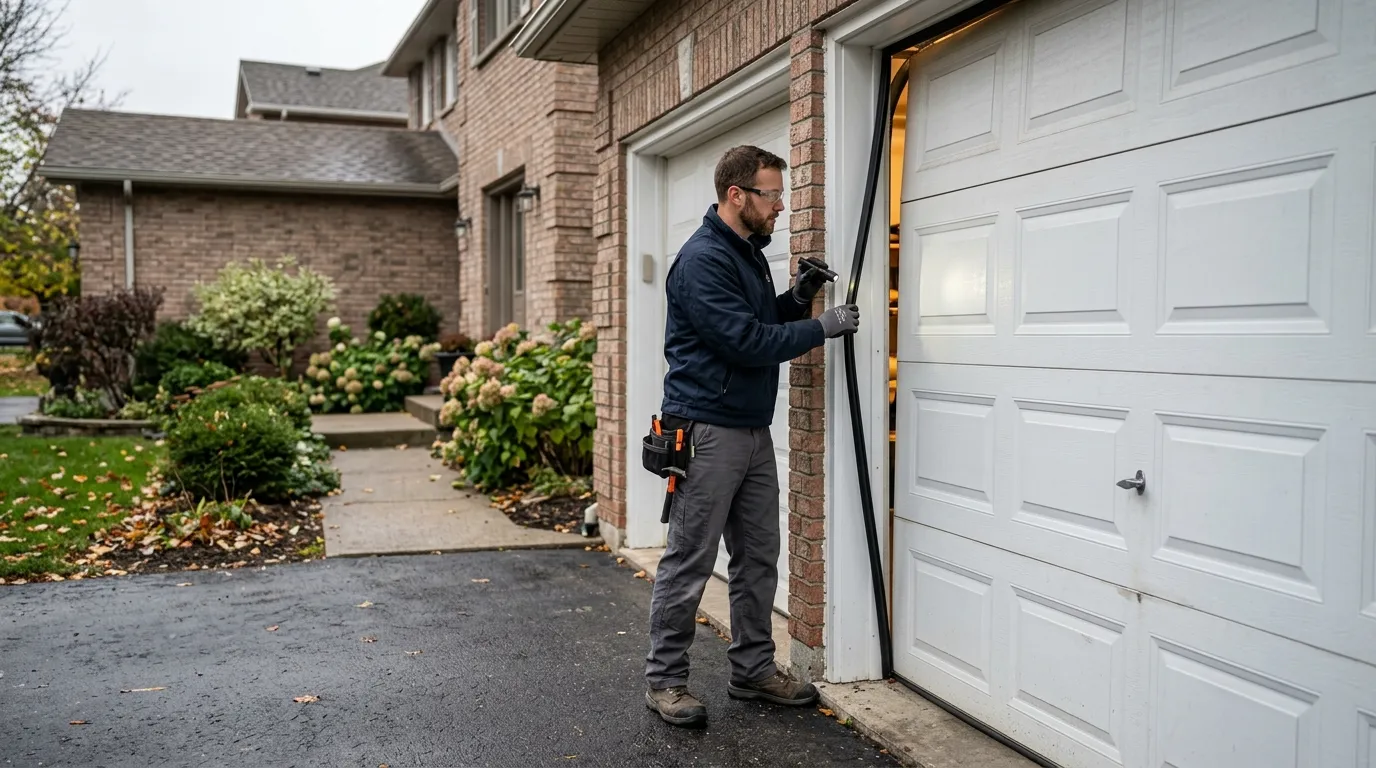
If the cables, drums, or center bearing show the same age and wear as the spring, we'll flag them during the same visit rather than send you into a second failure a few months out. Replacing a spring without checking the rest of the torsion system is a shortcut that costs the homeowner twice.
We test the door's balance after the swap - lifted by hand, it should hold at waist height without drifting up or down. That single check tells us the spring pair is matched correctly to the door's actual weight, which matters more on original doors than on newer, lighter-panel replacements.
Where This Job Goes Sideways
The honest limitation: if the drums, shaft, or end bearing plates on a 1958-era door are worn or the wrong size for a modern spring pair, we may need to order a part rather than finish same-visit, and that part isn't something we keep on the truck for hardware this old. We'll tell you that up front rather than force a mismatch that fails again in a year.
The other place this goes sideways is when a homeowner or a well-meaning neighbor has already tried to wind or unwind the spring themselves. Torsion springs store enormous force, and a spring that's been partially released and re-caught under tension is more dangerous to work on than one that's simply broken clean. If that's happened, say so when you call - it changes how we approach the job.
Last point: on a door old enough that the track, hinges, and panels are all showing the same fatigue as the spring, spot-repairing one part is sometimes just delaying a bigger job. We'll say so rather than sell you a spring today and a track next spring.
Talk to a Technician Before You Book
Describe what the door is doing and get a straight answer on what it likely needs.
Jobs Like Yours
Recent work from this service line.
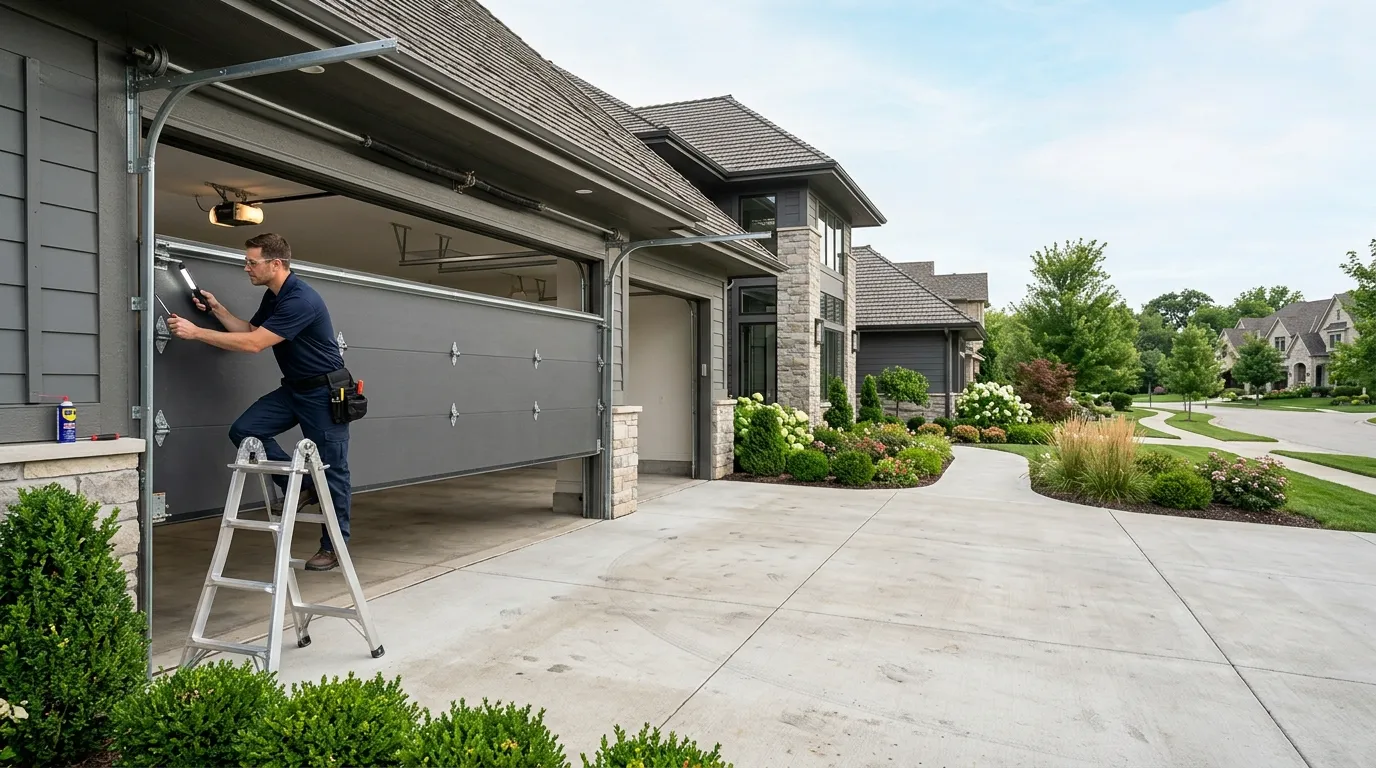
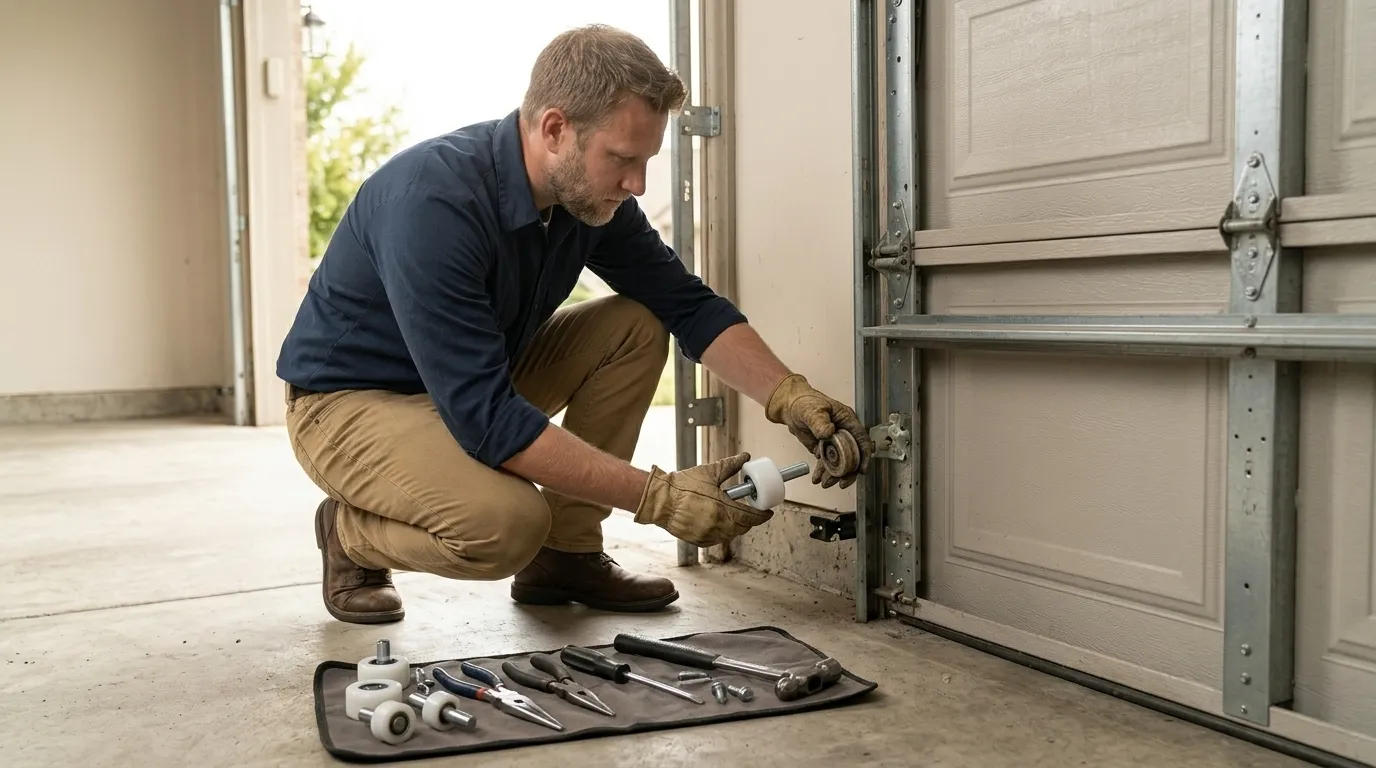
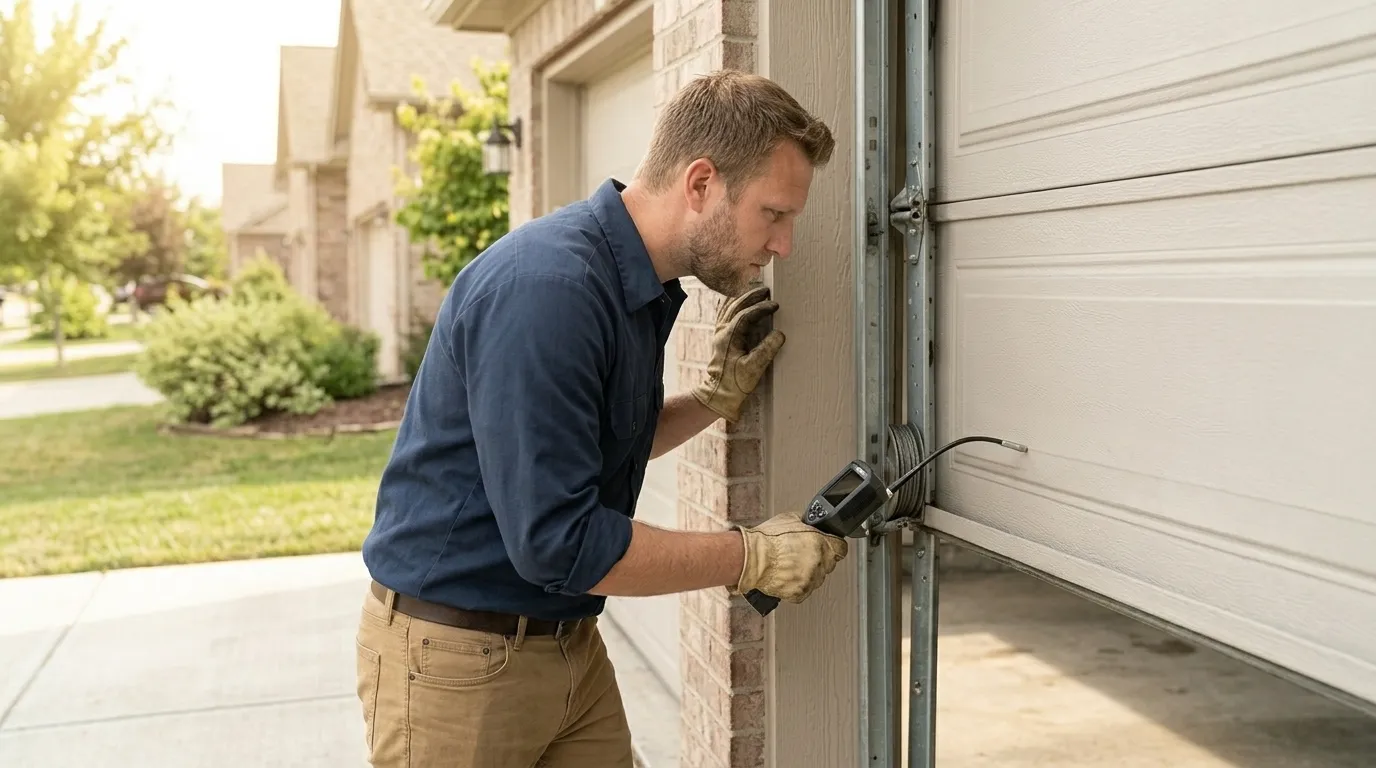
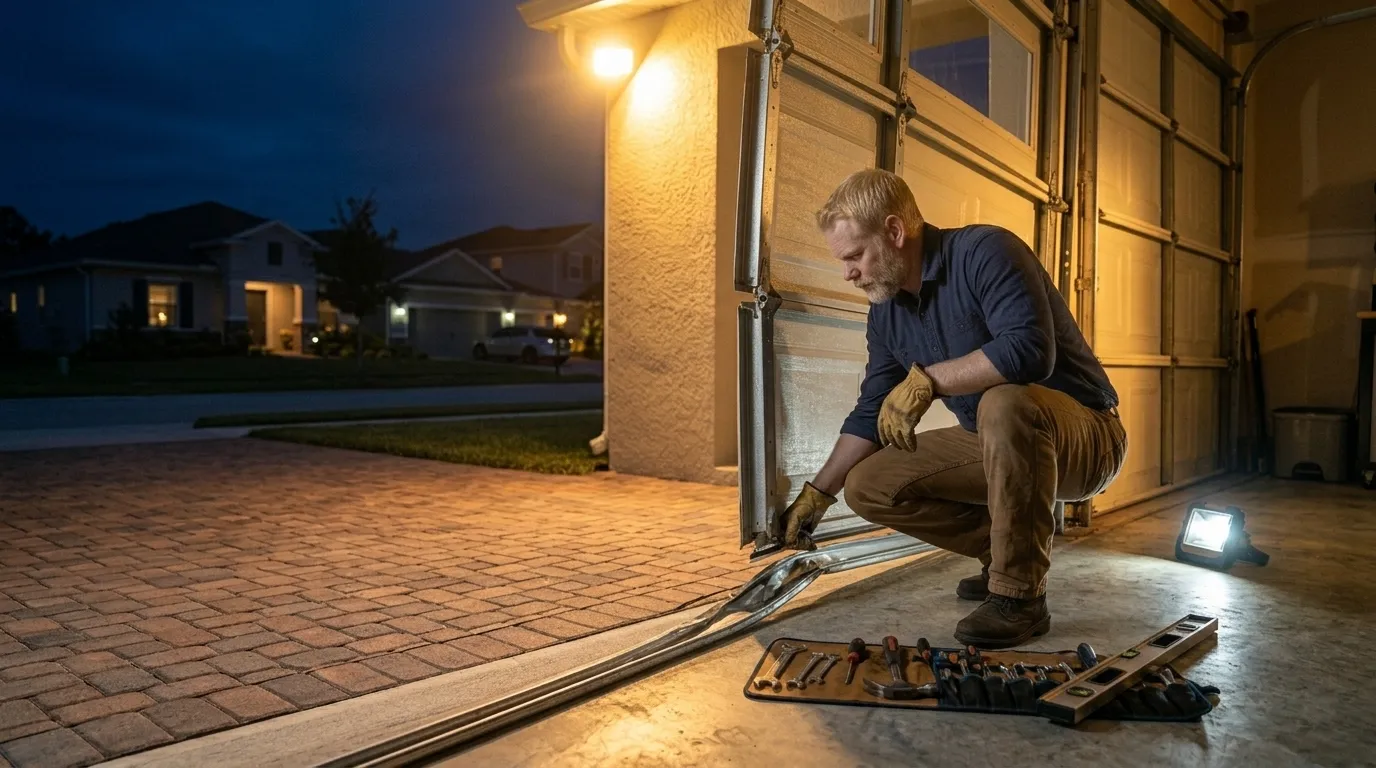
Why Glendale Calls Us
Frequently Asked Questions
Why do garage door springs seem to fail so often in Glendale?
Most of Glendale's houses were built around 1958, and torsion springs on doors that age are simply reaching the end of their duty cycle. The mild climate here doesn't crack springs the way freeze-thaw does elsewhere, but daily heat-cycling and UV exposure wear the coil steel down just as surely over decades.
Can you match parts for an original 1958-era garage door?
Usually, yes, once we measure the drum and shaft. Some original hardware uses dimensions that aren't stocked off the shelf anymore, and in those cases we'll tell you before starting the job rather than force a part that won't hold.
Is it normal for the opener to strain instead of the spring?
Yes. A weak or broken spring shifts the lifting load onto the opener motor, so you'll often see grinding or mid-close reversal before you notice the spring itself. Fixing the spring usually resolves the opener symptom without any opener repair at all.
Should I replace the whole door or just fix the spring?
If the spring is the only thing failing, a matched replacement pair is the right call. If the track, hinges, and panels on the same door are showing comparable wear from the same era, we'll say so, because spot-fixing one part on a door that old sometimes just delays the next failure.
Need Garage Door Repair in Glendale, CA?
Call now for straight answers on cost and timing.