
Glendale Garage Door Guide
Why Pre-1960 Doors Around Glendale Fail the Way They Do
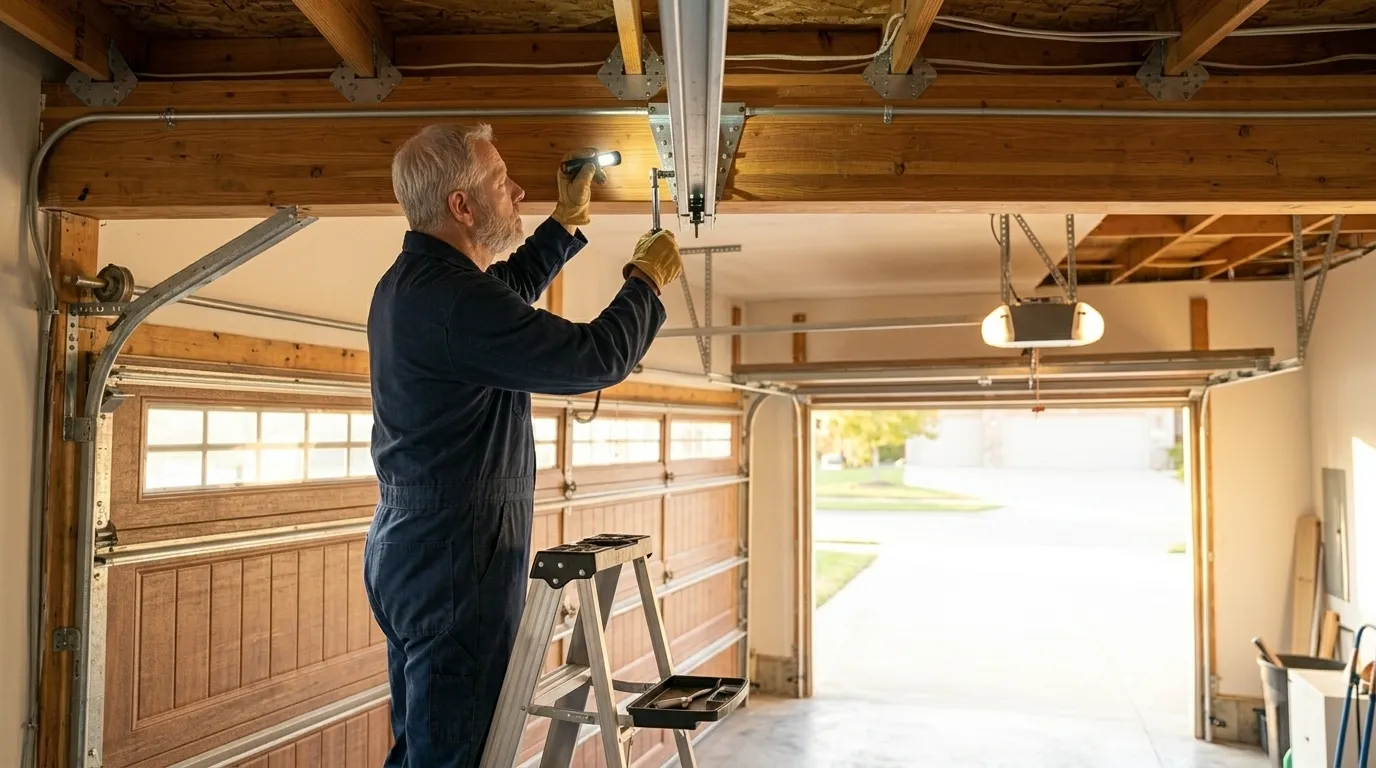
Glendale's garage doors sit on houses built between 1943 and 2012, median year 1958, in a mild climate that hides worn springs until they finally fail.
- Licensed & Insured
- Same-Area Service Calls
- Upfront Pricing
What the Weather Here Does to It
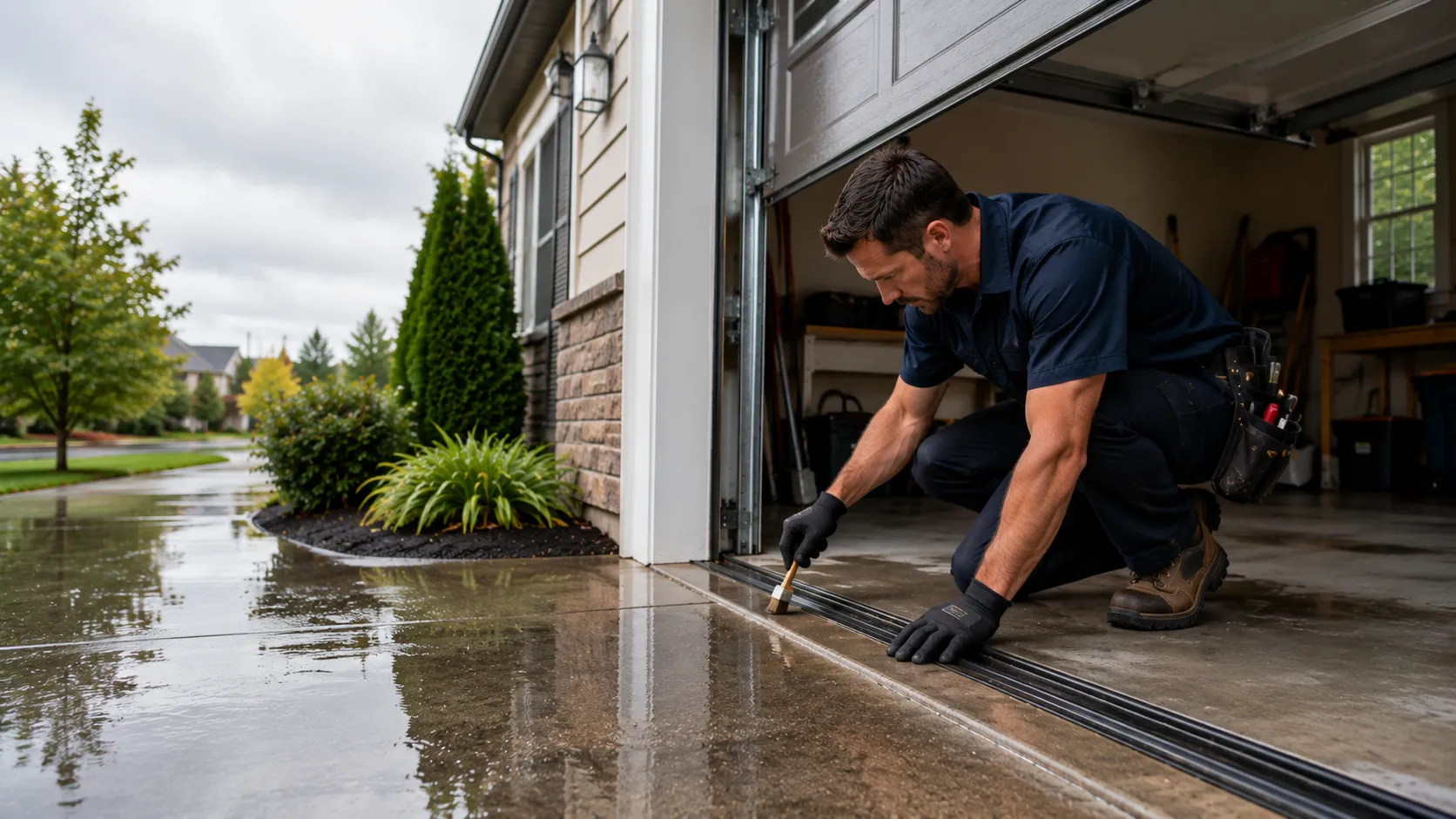
Glendale doesn't get the freeze-thaw cycle that cracks slabs and seizes hardware in colder parts of the country. The climate here is mild temperate, and that's mostly good news for a garage door. But mild doesn't mean gentle.
Steady sun and long dry stretches work slower than a hard winter, and slower damage is the kind owners miss. Original wood panels on houses from the 1943 to 2012 building span - median year 1958 - dry out, shrink, and start to gap at the seams instead of cracking outright. Steel sections from the same era hold up better against sun than wood, but the factory lubricant on their rollers and hinges still bakes off faster in a garage that sits warm most of the year.
Track brackets loosen from repeated expansion rather than a single cold snap. If your house is on the older end of that 1943-2012 range, which a lot of homes in this part of Glendale are, the door has likely gone through sixty-plus years of this slow bake-and-dry cycle with no single dramatic event to point to. That's the trap: nothing looks broken until the spring or cable finally lets go, usually without warning.
The Seasonal Bit
There isn't a hard winter here to mark the calendar by, so seasonal wear on a garage door shows up as a gradual shift instead of a sudden one. Warm, dry months pull moisture out of old wood jambs and out of any factory grease left on rollers and hinges. That's the main seasonal pattern this climate produces - not ice, not deep cold, just dryness working on hardware that was installed decades ago and never serviced.
On a house built anywhere in the 1943-2012 span, especially near that 1958 median, a spring or roller that's gone dry from years of mild, warm conditions can snap with no more warning than an ordinary open. Owners who moved here from colder states sometimes expect trouble to show up in winter and get caught off guard in a hot stretch instead. There's no storm season or hard freeze to blame, which means routine wear is the whole story, and it's easy to ignore because nothing ever forces the issue until the door won't open.
The Problem
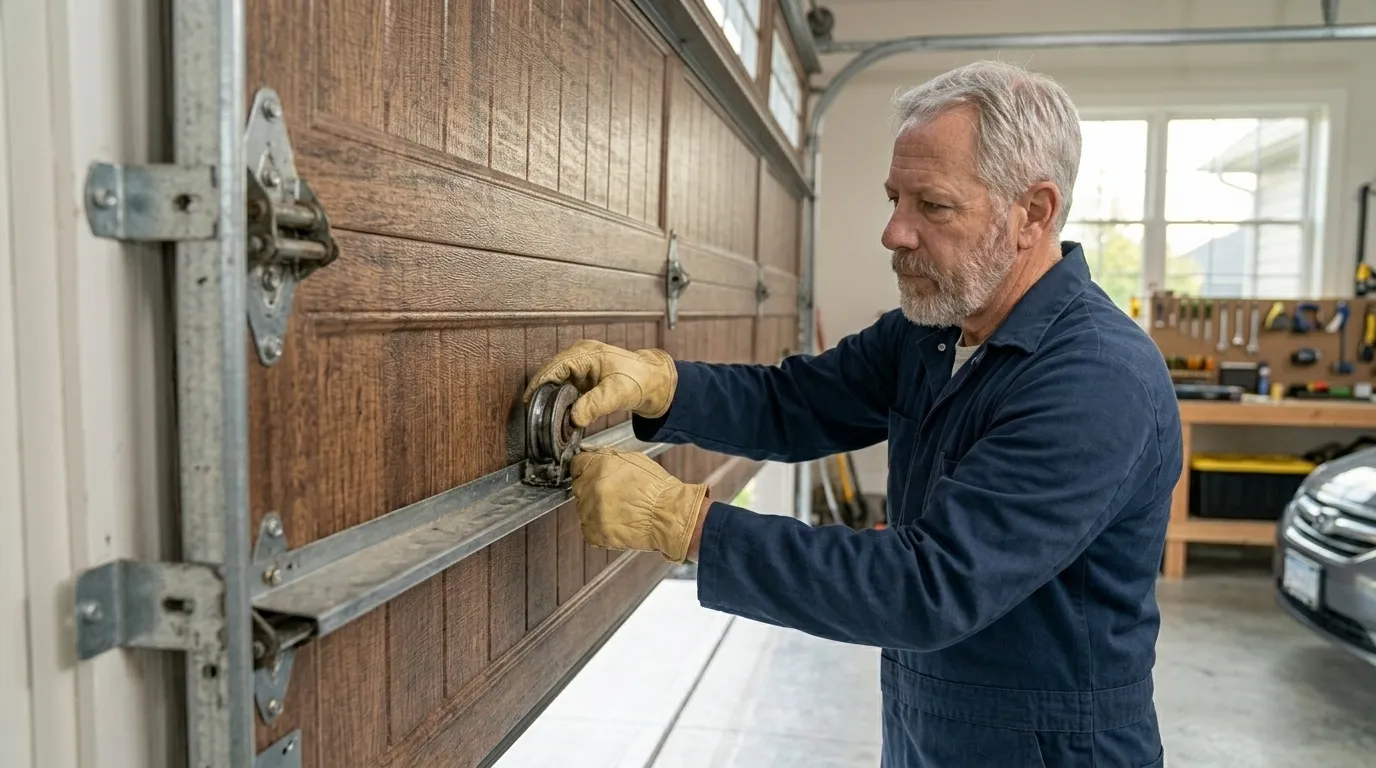
Housing stock here is mostly pre-1960, spread across the 52 named areas this shop covers, and that's the real issue underneath most service calls. A door installed on a house from that era was sized and hung for the original opener, the original torsion spring weight, and doors on houses built before insulation rules - meaning thin steel or plain wood panels with none of the foam core that later code required. Homeowners who've since swapped in a heavier insulated replacement door often keep the original spring and drum, because nobody told them the two have to match.
The spring strains, the opener strains, and the whole assembly wears out faster than it should. On the flip side, a door that's still fully original to a 1958-built house is running hardware that was never rated for sixty-plus years of cycles in the first place. Neither situation is rare here.
Both show up as the same complaint: the door feels heavy, the opener struggles, or a cable frays years before it should.
When to Get Help
Call before the spring breaks, not after. A door that's started sagging on one side, making a grinding sound at the top of the track, or needing a shove partway through the cycle is telling you the spring or cable is close to done. Don't wait for it to fail on your car underneath it.
One honest limit: if your door is original to a house from the 1943-2012 range and uses a spring or track size that stopped being common decades ago, the exact replacement part isn't always sitting on the truck - it can take longer to source than a standard-size repair, and that's worth knowing before you schedule. Full replacement is often the better call once a door that age needs more than one part fixed at a time. Get in touch if you're not sure which situation you're in - a look at the spring size and the panel material usually settles it fast.
How We Can Help
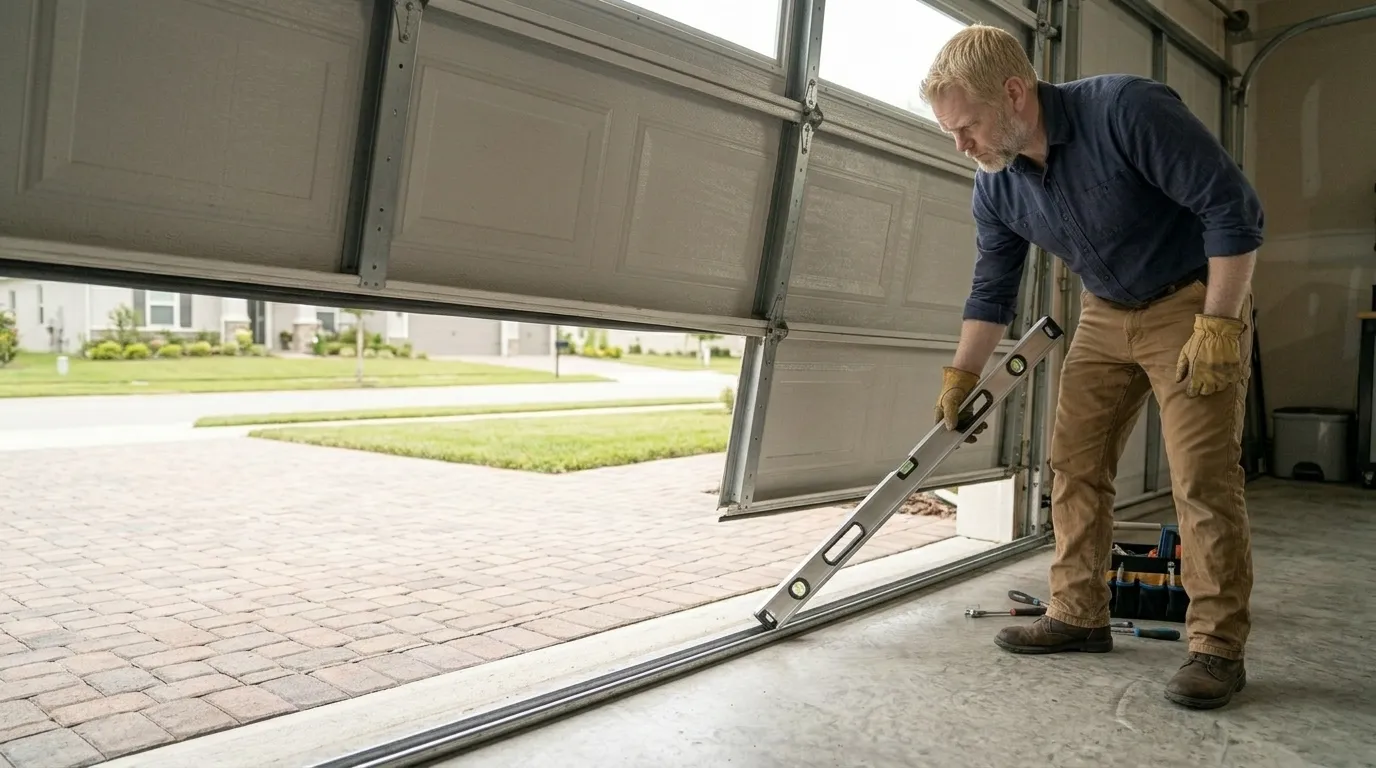
Emergency Garage Door Repair
Emergency Garage Door Repair handled by trained, insured local technicians with upfront pricing.
Learn more →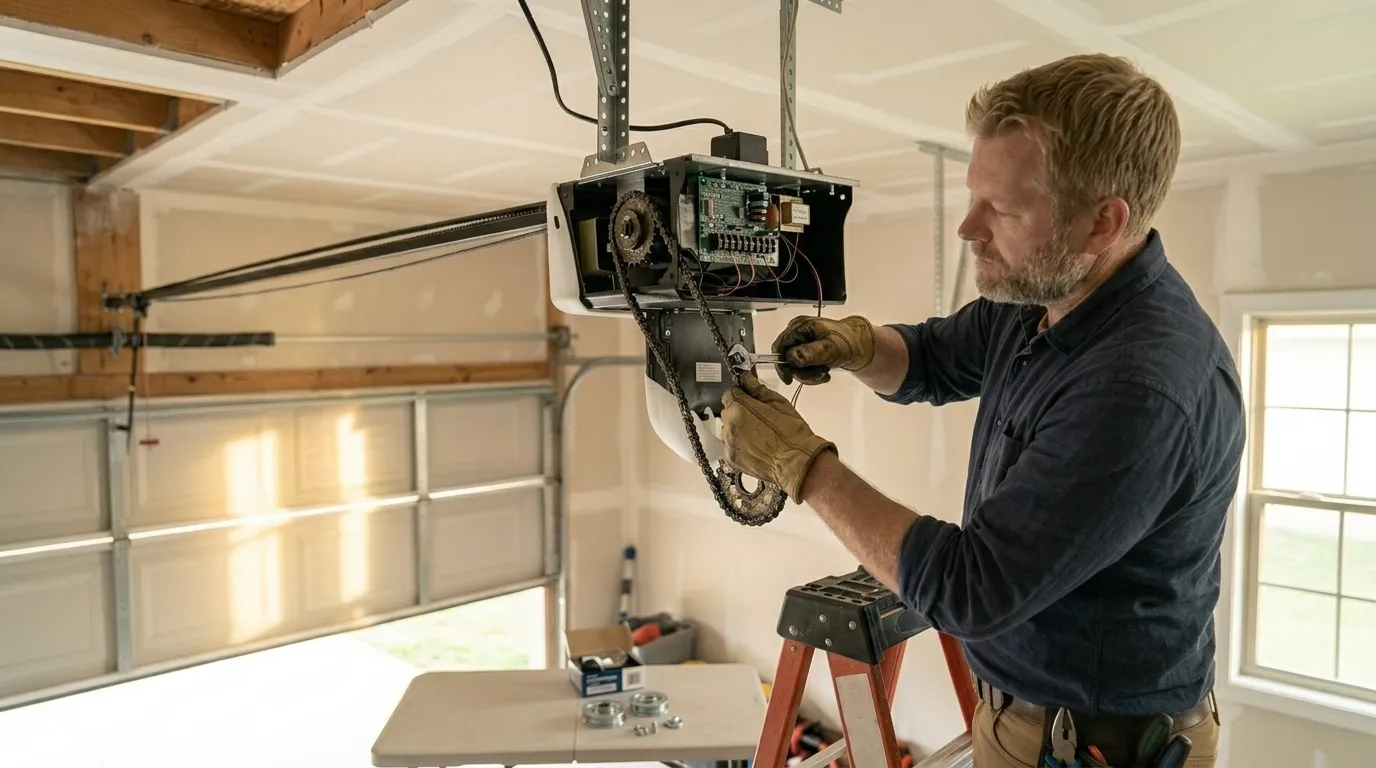
Garage Door Maintenance
Garage Door Maintenance handled by trained, insured local technicians with upfront pricing.
Learn more →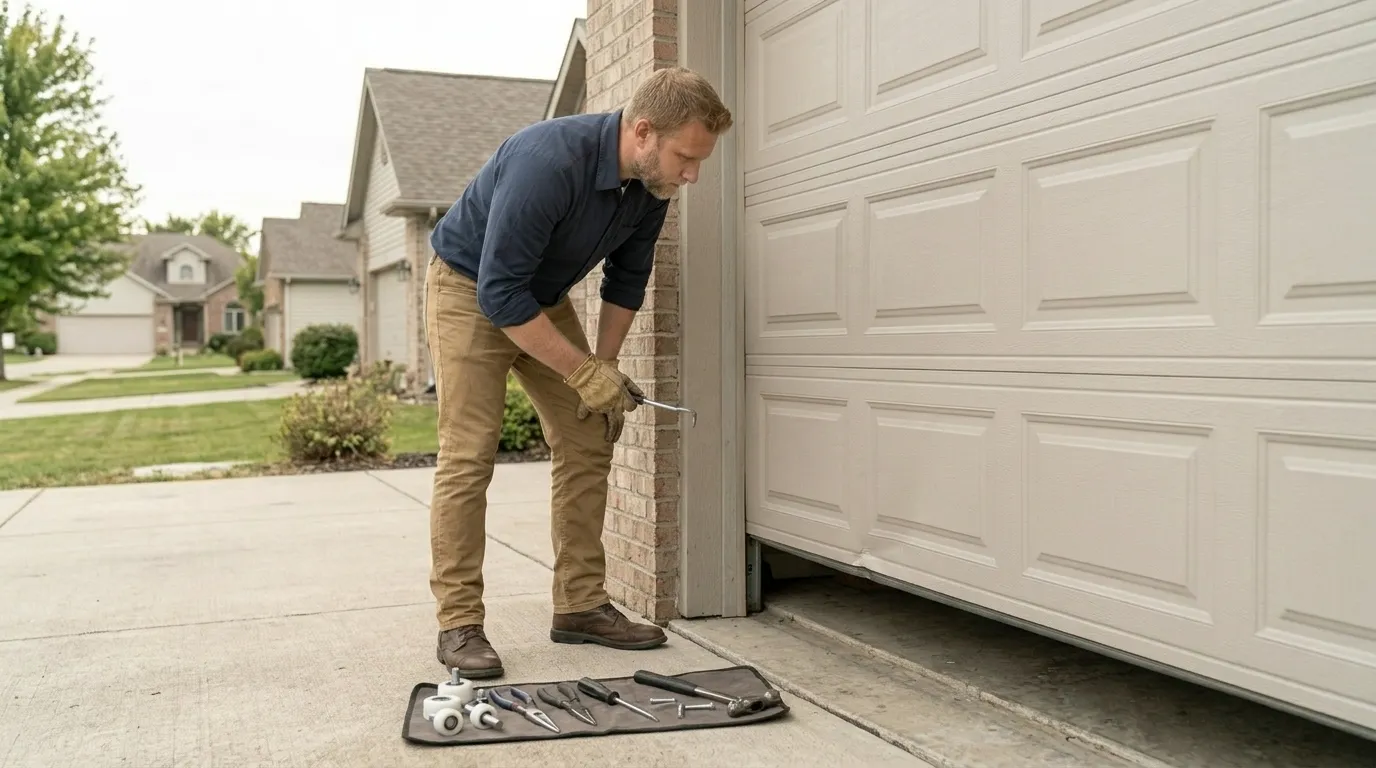
Commercial Garage Door
Commercial Garage Door handled by trained, insured local technicians with upfront pricing.
Learn more →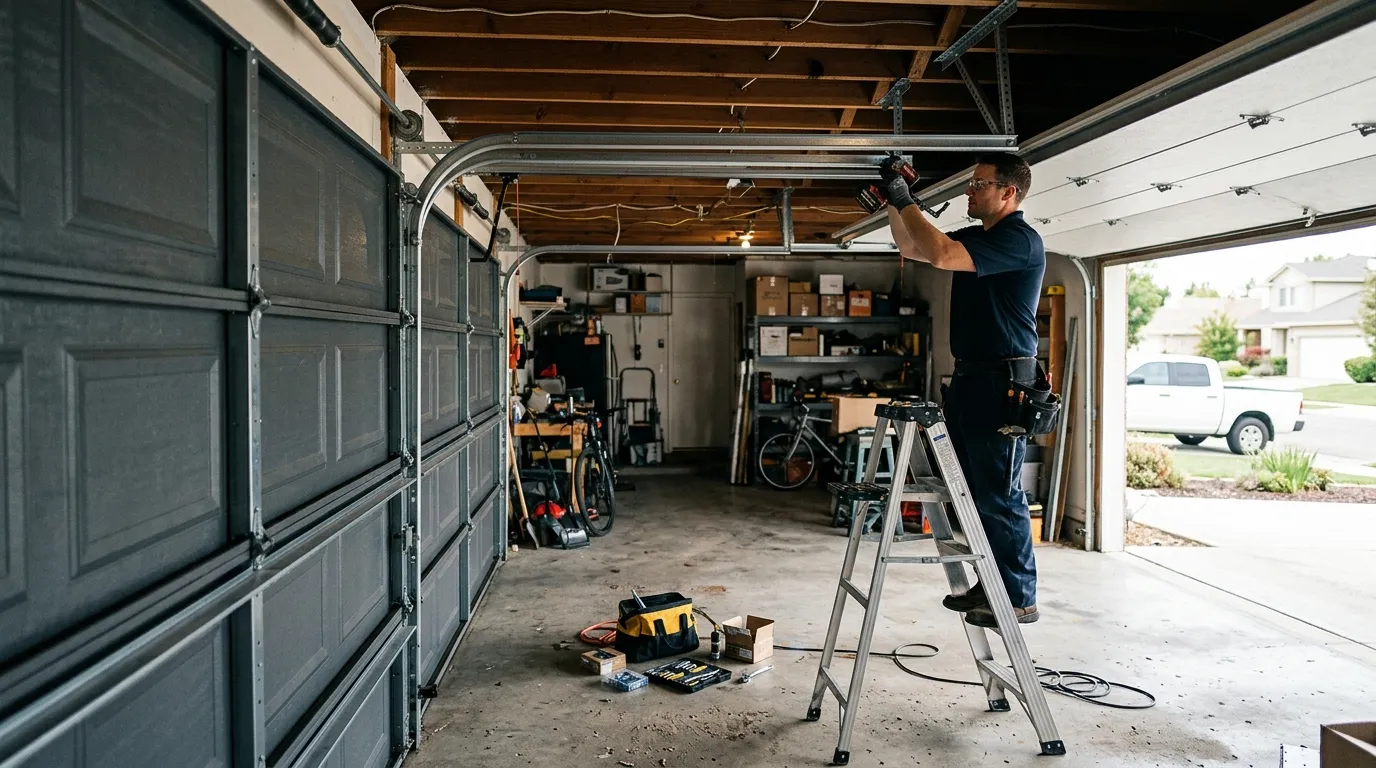
Garage Door Service
Tune-ups, lubrication, and safety checks that catch a small problem before it becomes a service call.
Learn more →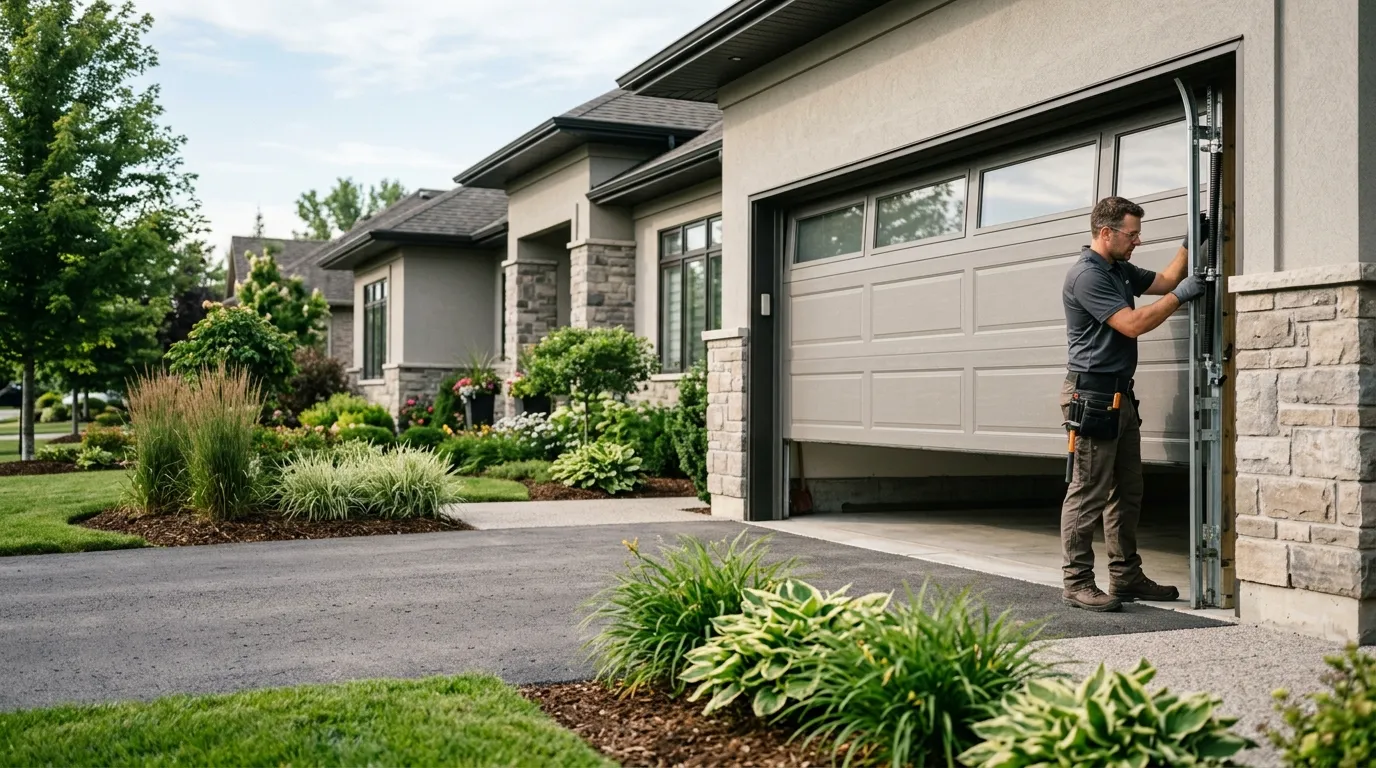
Garage Door Panel Replacement
Dented or cracked panels swapped without replacing the whole door where the frame is sound.
Learn more →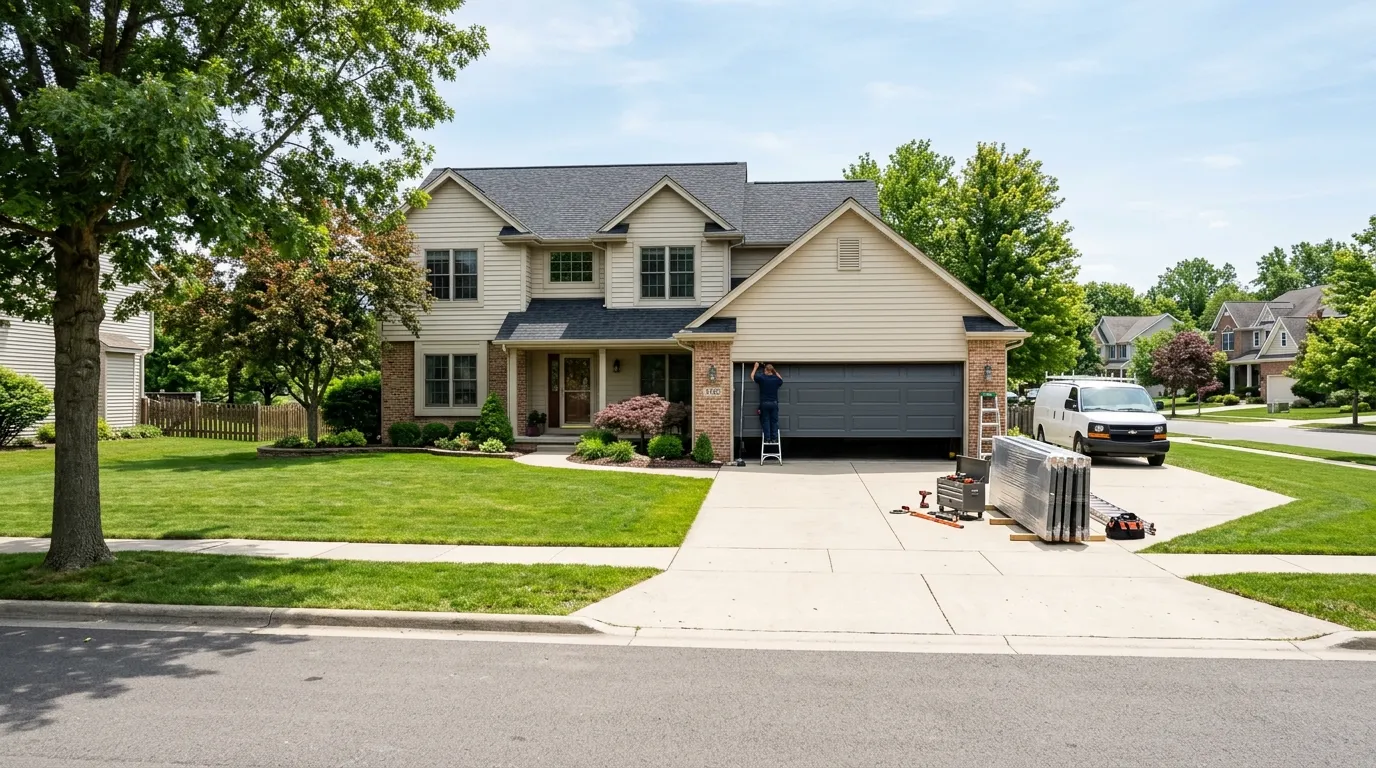
Garage Door Installation
New sectional doors sized and installed for the housing stock actually built in this area.
Learn more →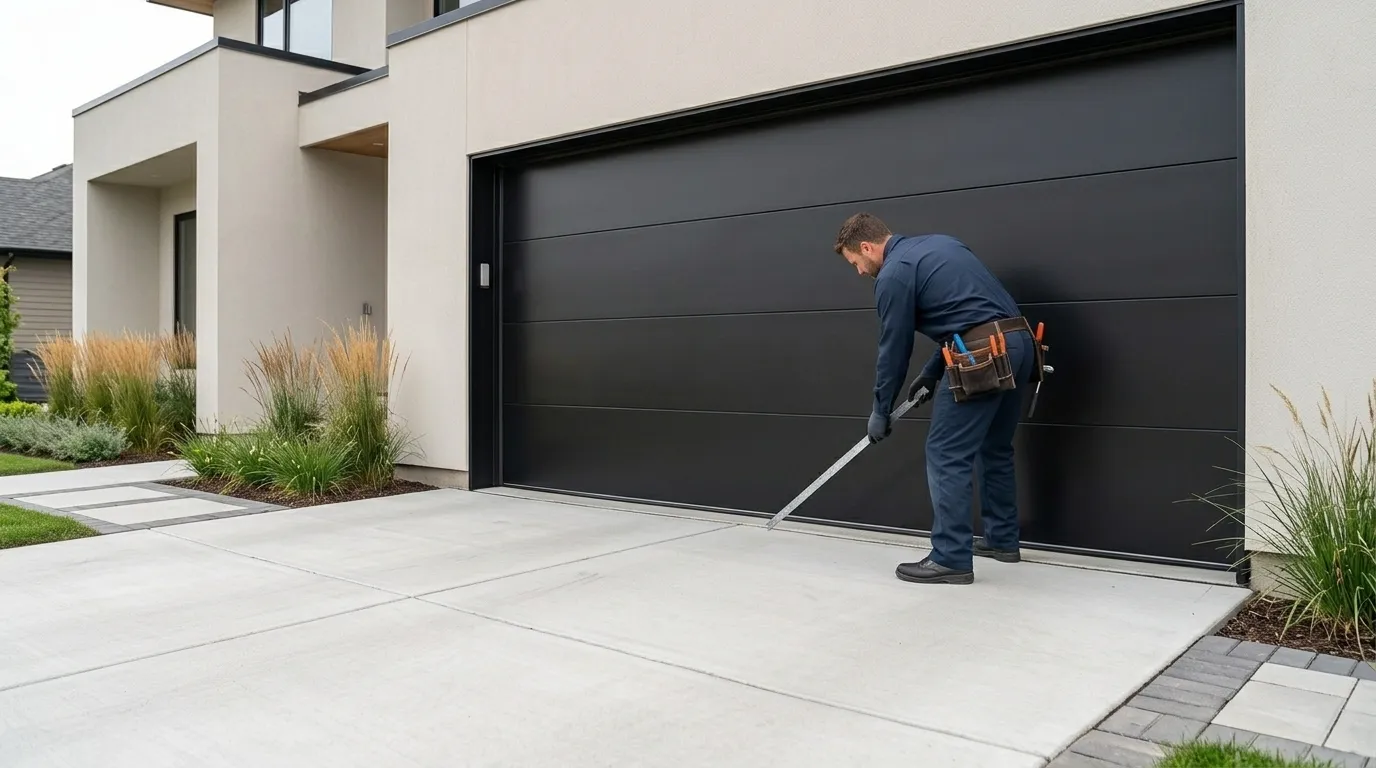
Garage Door Repair
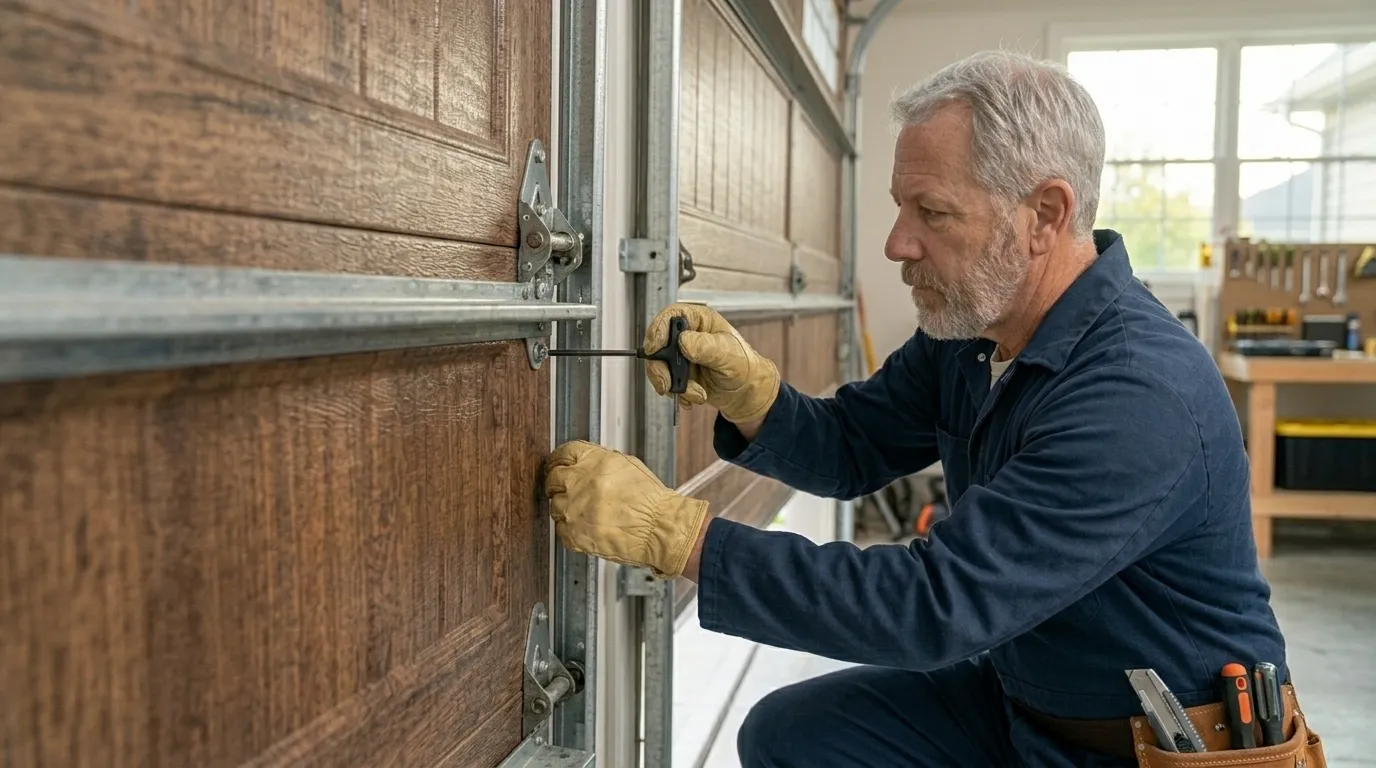
Springs, cables, tracks, rollers, and openers fixed by a tech who explains the problem before touching anything.
Learn more →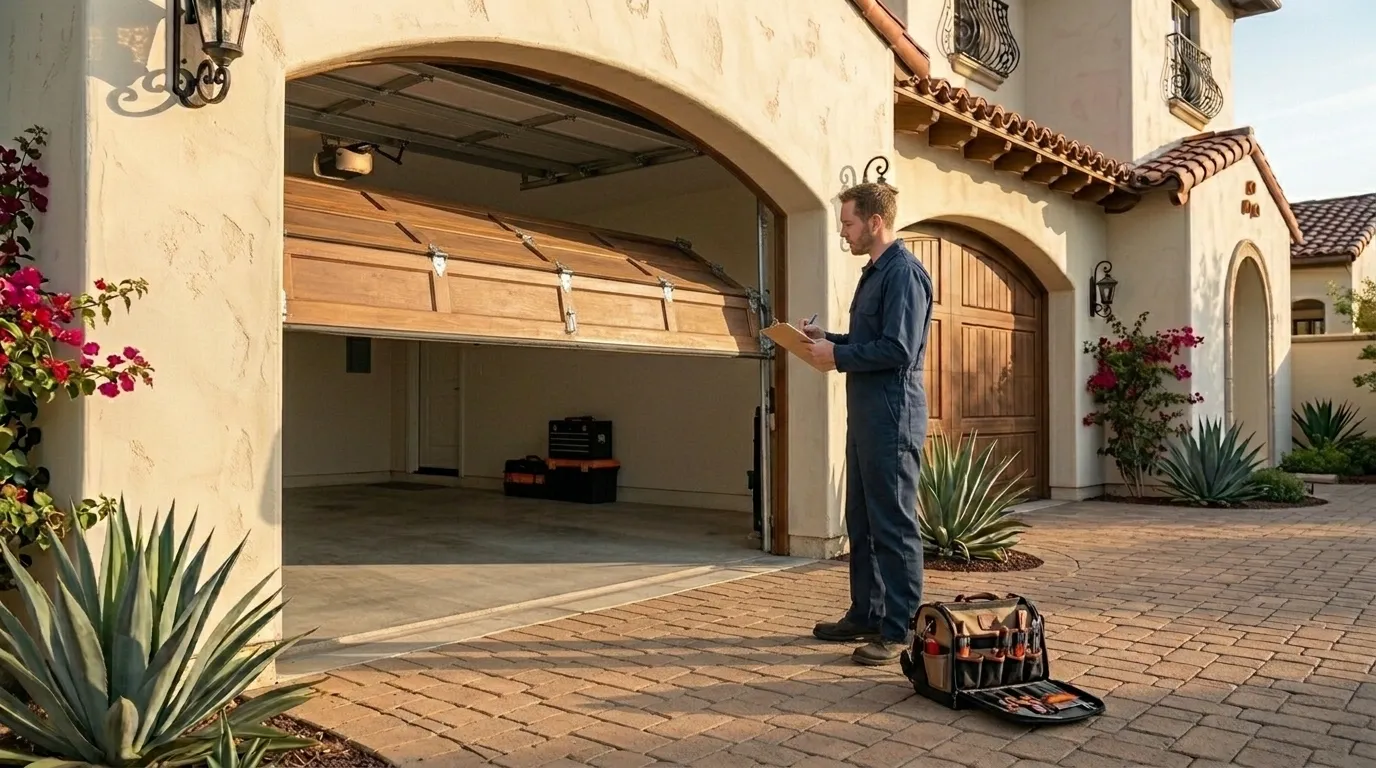
Garage Door Off Track
Doors that jumped the track reset safely, with rollers and alignment checked so it holds.
Learn more →Frequently Asked Questions
Why does my garage door feel heavier than it used to, even though nothing looks broken?
On houses in the 1943-2012 range around Glendale, the spring was set for the original door weight. If the door's been replaced with a heavier insulated model but the spring wasn't resized, it'll strain more every year until it snaps. Mild climate doesn't cause this, but it doesn't slow it down either - it's a hardware mismatch, not weather.
Does Glendale's climate mean I can skip garage door maintenance?
No. Mild temperate conditions spare you the freeze-thaw damage other regions get, but sun and long dry stretches still dry out lubricant and shrink old wood panels. A door with no maintenance for years, especially one original to a pre-1960 house, still wears out - it just does it quietly instead of all at once.
My house is original, built around 1958. Should I repair the door or replace it?
Depends what's failing. A single spring or cable on an otherwise sound door is worth fixing. But original hardware from that era is often sized for a door built before insulation rules existed, and once two or three parts go at once, replacement usually costs less over time than chasing parts for hardware that's sixty-plus years old.
Have a Door That Needs a Second Opinion?
Call and describe what it is doing - we will tell you what it likely is.