
Glendale Garage Door Guide
Detached and Attached Garages Age Differently Here
How Glendale's 1943-2012 housing stock and mild climate change what a detached or attached garage door needs, and when a repair stops making sense.
- Licensed & Insured
- Same-Area Service Calls
- Upfront Pricing
What the Weather Here Does to It
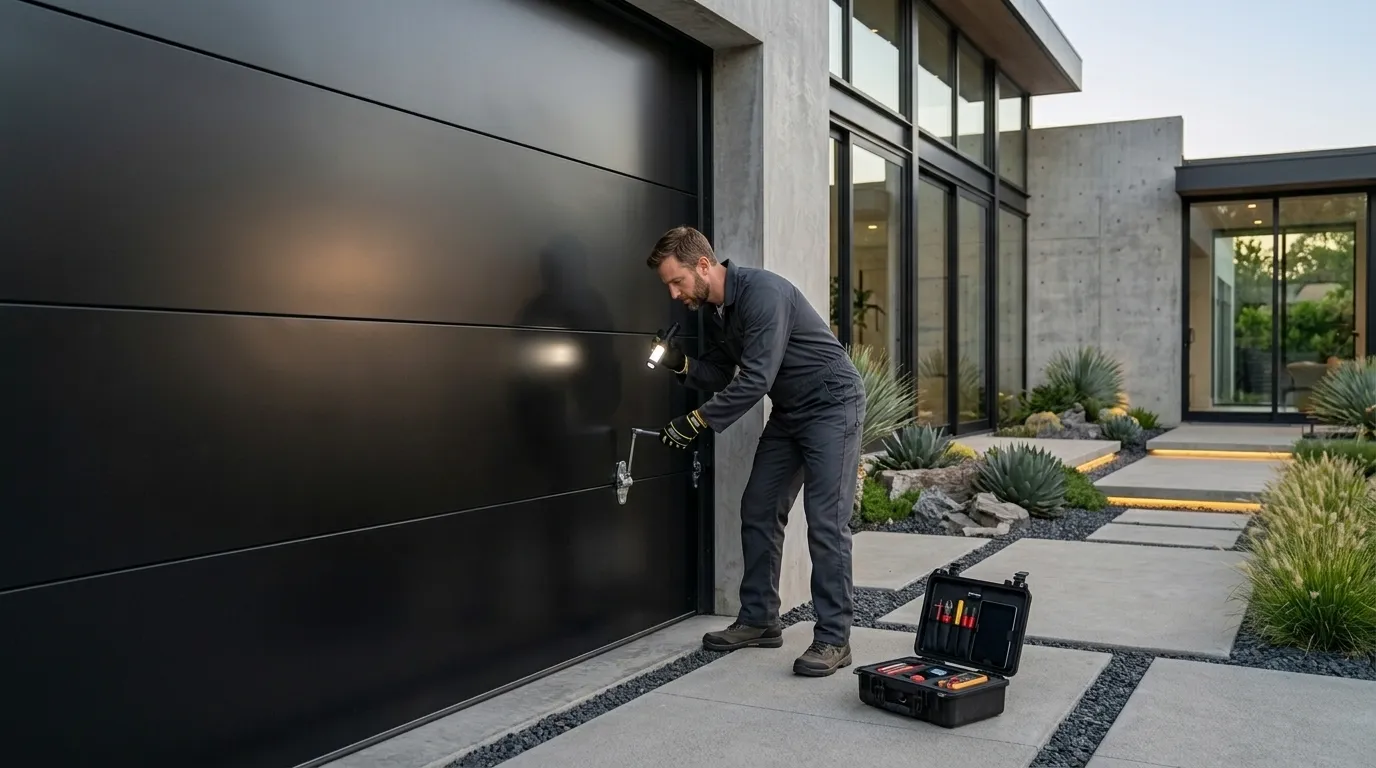
Glendale sits in a mild temperate band, so you're not dealing with the freeze-thaw cracking or monsoon flooding that wrecks doors elsewhere. That's the good news. The bad news is what mild-but-dry does over decades to a detached garage that's been standing since the 1950s: the framing shrinks a little every year, the door track pulls slightly out of plumb, and nobody notices until the door starts binding on one side.
On an attached garage, the same slow drying happens to the header and jamb, but because that wall is also a wall of the house, a door that's stopped sealing tight lets conditioned air leak straight out of a room someone's living in. Detached doors don't cost you comfort when they gap. Attached ones do.
If your garage was built anywhere near the median year for this area, 1958, the wood has had a long time to move, and it moves the same slow way in an attached structure as a freestanding one - it's just that only one of them shows up on your energy bill.
The Seasonal Bit
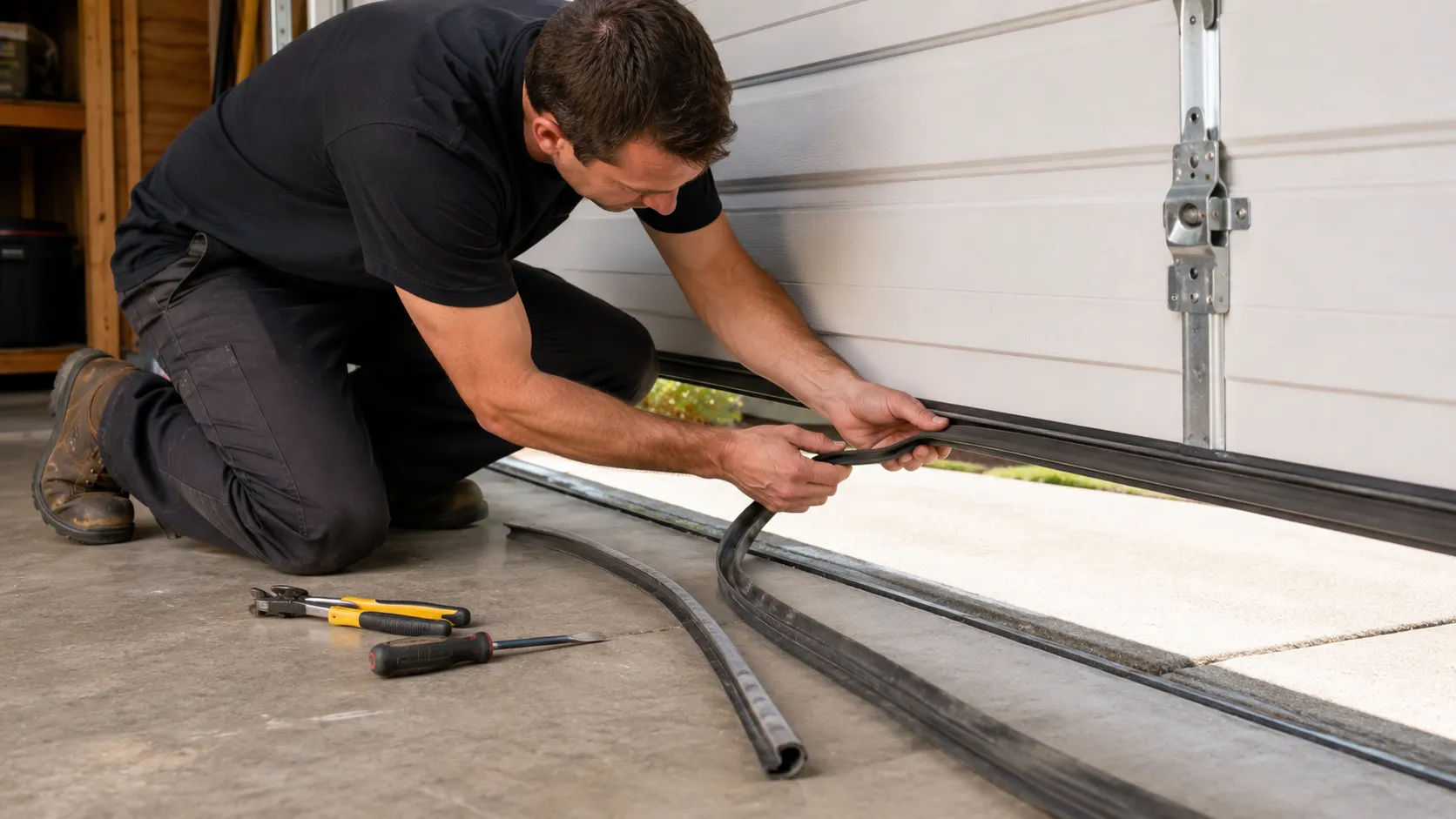
There isn't a hard winter here to reset things, so problems that would announce themselves with a bang somewhere colder just creep in Glendale. A track that's a quarter inch out of alignment in March is still a quarter inch out in September, except now it's a half inch, because nothing ever froze it back into place or forced anyone to look at it. Detached garages feel this slowest, since the structure moves as one small independent box and the door doesn't have a house wall constraining it.
Attached garages, tied into the main structure, tend to telegraph foundation settling into the door opening faster - a door that used to close square starts catching at one bottom corner first. Either way, the fix that works in a place with real winters, waiting for a hard freeze to tell you something's wrong, doesn't apply. Nothing here forces the issue.
You have to actually go look at the track and the weatherstrip once in a while, because the climate won't do that job for you.
The Problem
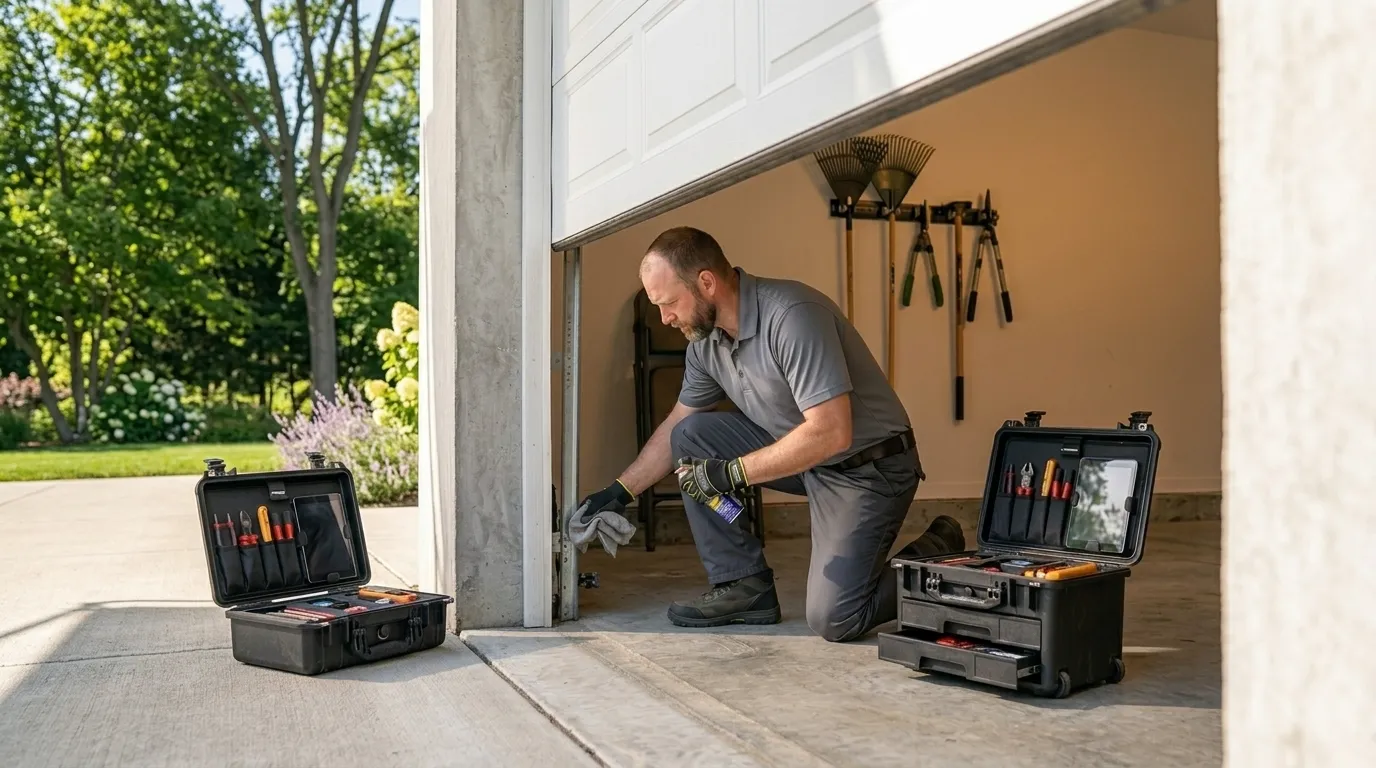
Most of the housing stock in this service area went up between 1943 and 2012, with a lot of it clustered around 1958, and that median year matters more for detached garages than attached ones. A detached garage built in that era was often framed light - it wasn't holding up a roofline connected to the main house, so the header over the door opening is thinner than what you'd frame today, and it sags a little under a heavier insulated steel door than the original wood one. Swap in a modern door without checking the header and you can end up with a door that's technically installed correctly but slowly pulling the opening out of square.
Attached garages from the same era usually got a sturdier header since it was tied into house framing standards of the time, but they carry a different issue: the shared wall means any air gap at the door threshold is a gap into the house, not just into a shed. I won't tell you every older detached garage needs a header retrofit - most don't - but it's the first thing worth checking before a heavier door goes in, not after.
When to Get Help
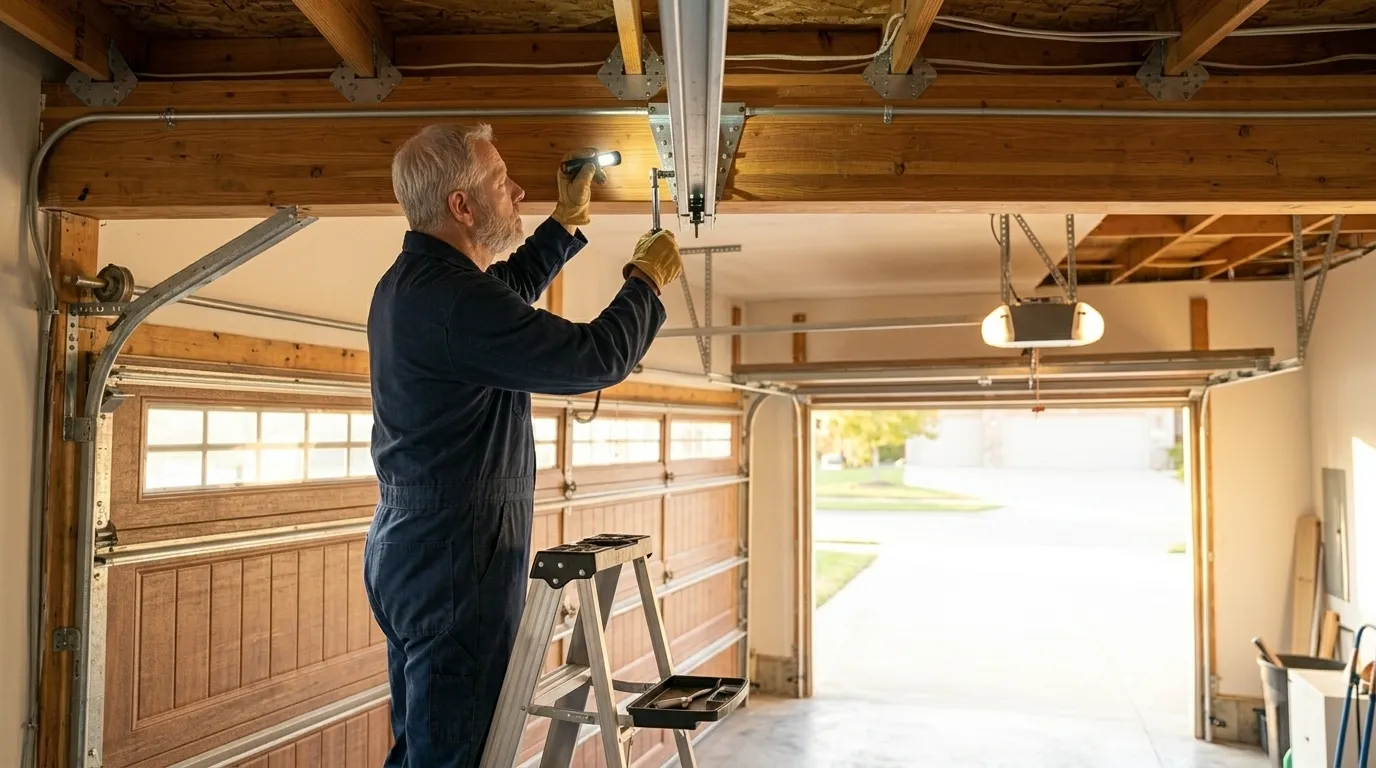
Call before the door starts scraping the floor on one side, not after - by the time it's scraping, the track is already bent, not just loose. If you're in one of the older pockets, Chevy Chase, Verdugo Woodlands, Glassell Park, and your garage is detached and stands on its own footing separate from the house, a leaning door is usually a track or foundation issue localized to that one small structure, and it's often a contained job.
If your garage is attached and you're noticing drafts, a door that won't seal, or daylight at the bottom corners, that's worth a look sooner rather than later since it's touching your home's heating and cooling, not just the space where the car sits. One honest limit: if the header over an old detached opening is already sagging, replacing the door alone won't fix that, and I'll tell you so rather than sell you a door that's fighting a structural problem underneath it.
How We Can Help
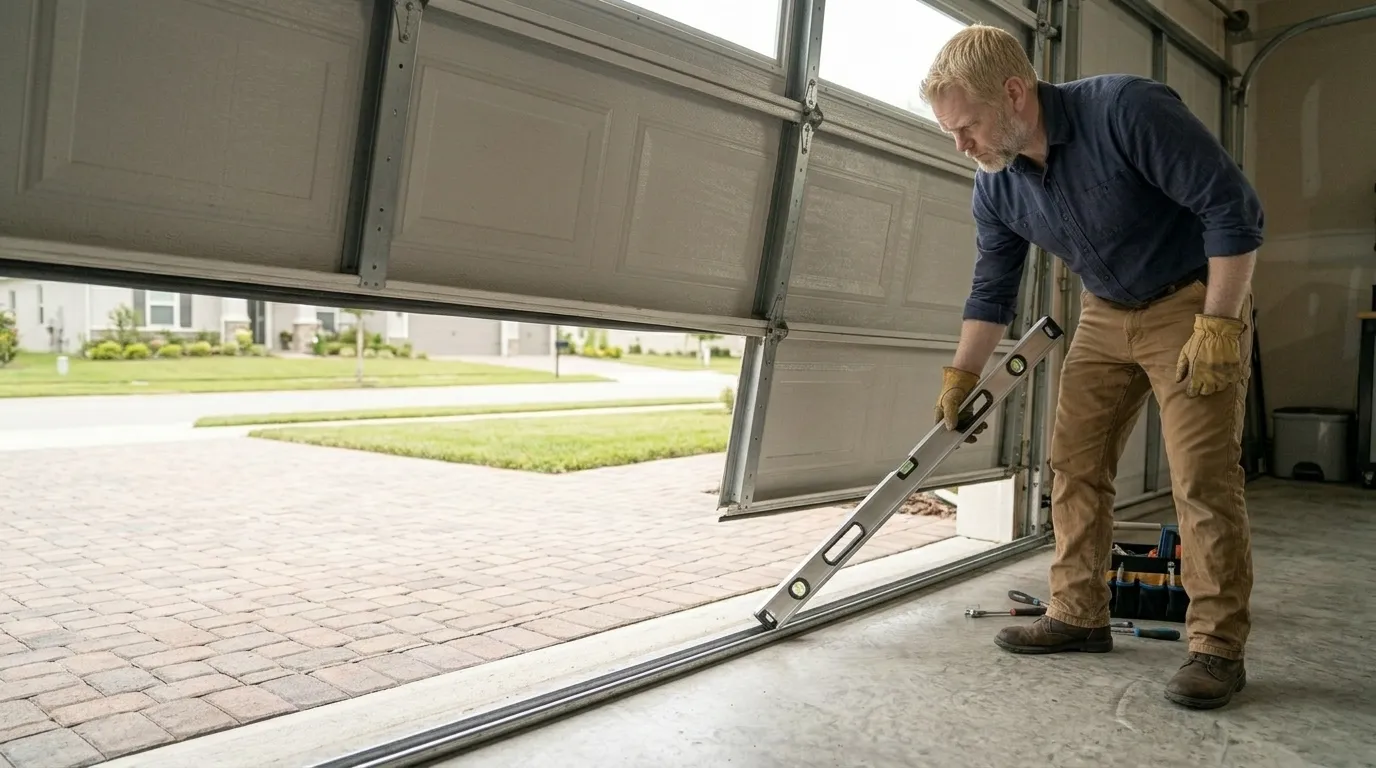
Emergency Garage Door Repair
Emergency Garage Door Repair handled by trained, insured local technicians with upfront pricing.
Learn more →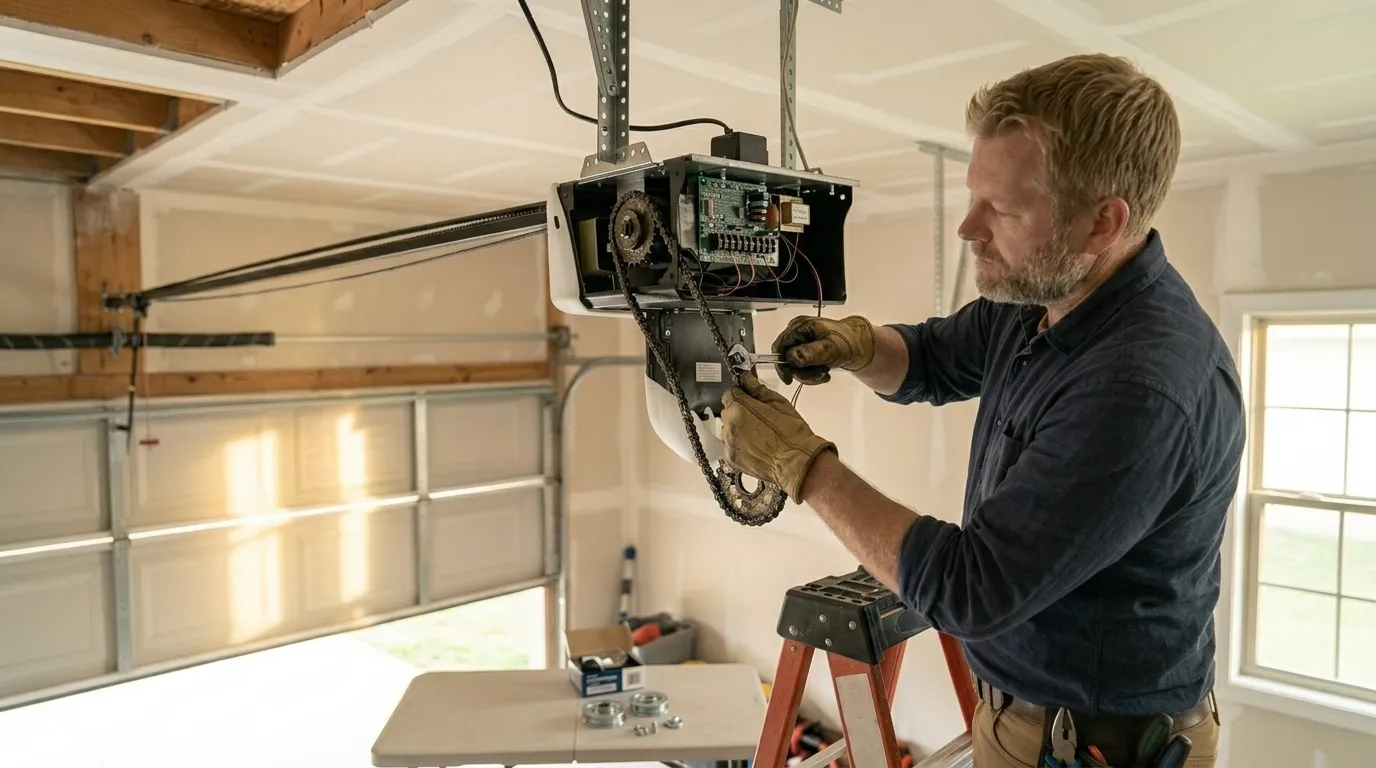
Garage Door Maintenance
Garage Door Maintenance handled by trained, insured local technicians with upfront pricing.
Learn more →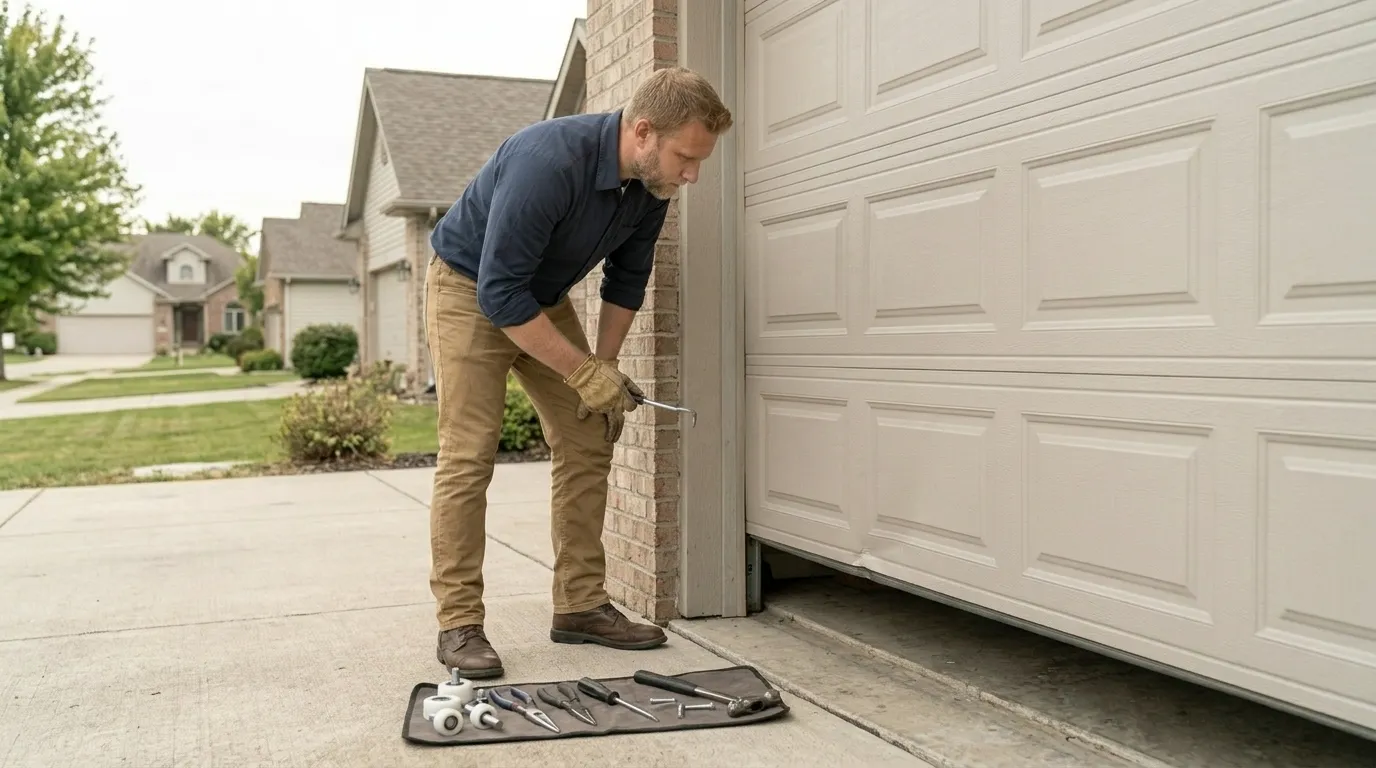
Commercial Garage Door
Commercial Garage Door handled by trained, insured local technicians with upfront pricing.
Learn more →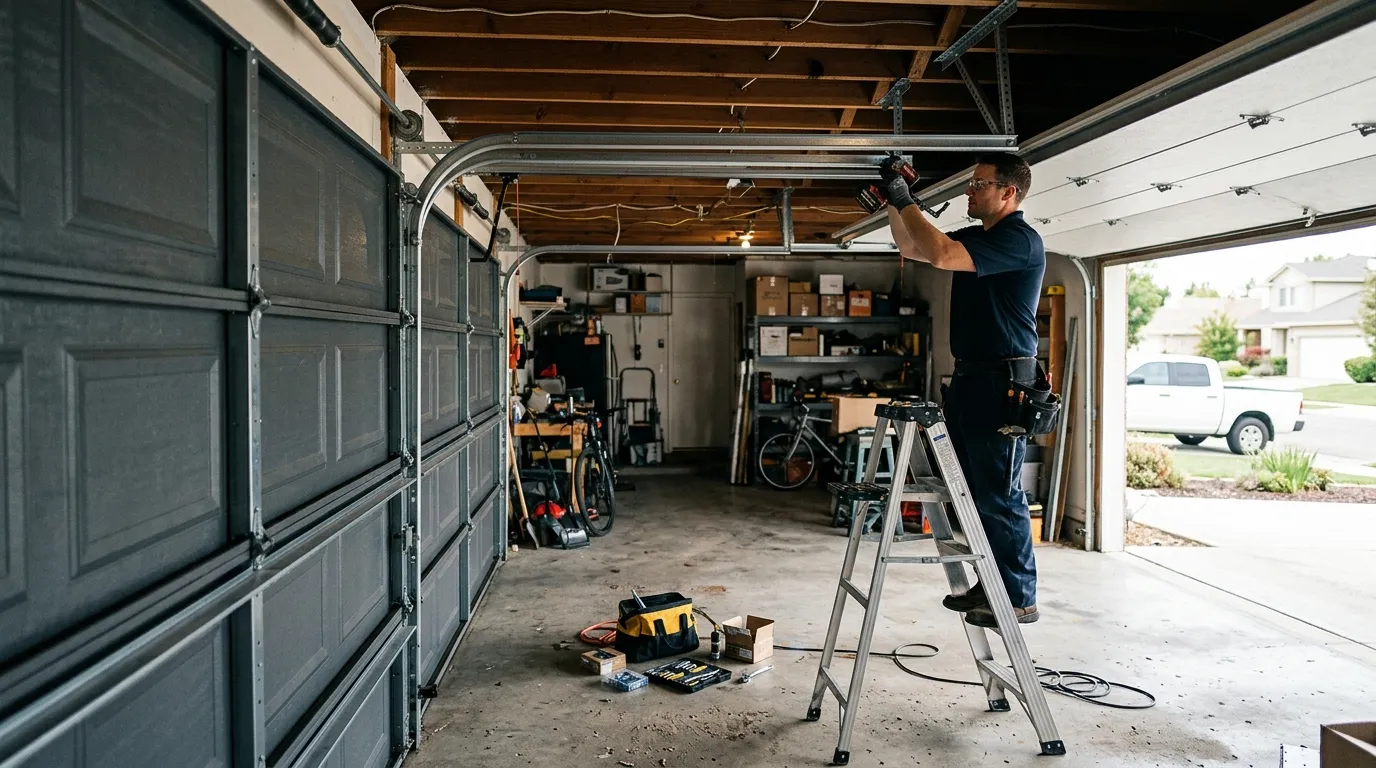
Garage Door Service
Tune-ups, lubrication, and safety checks that catch a small problem before it becomes a service call.
Learn more →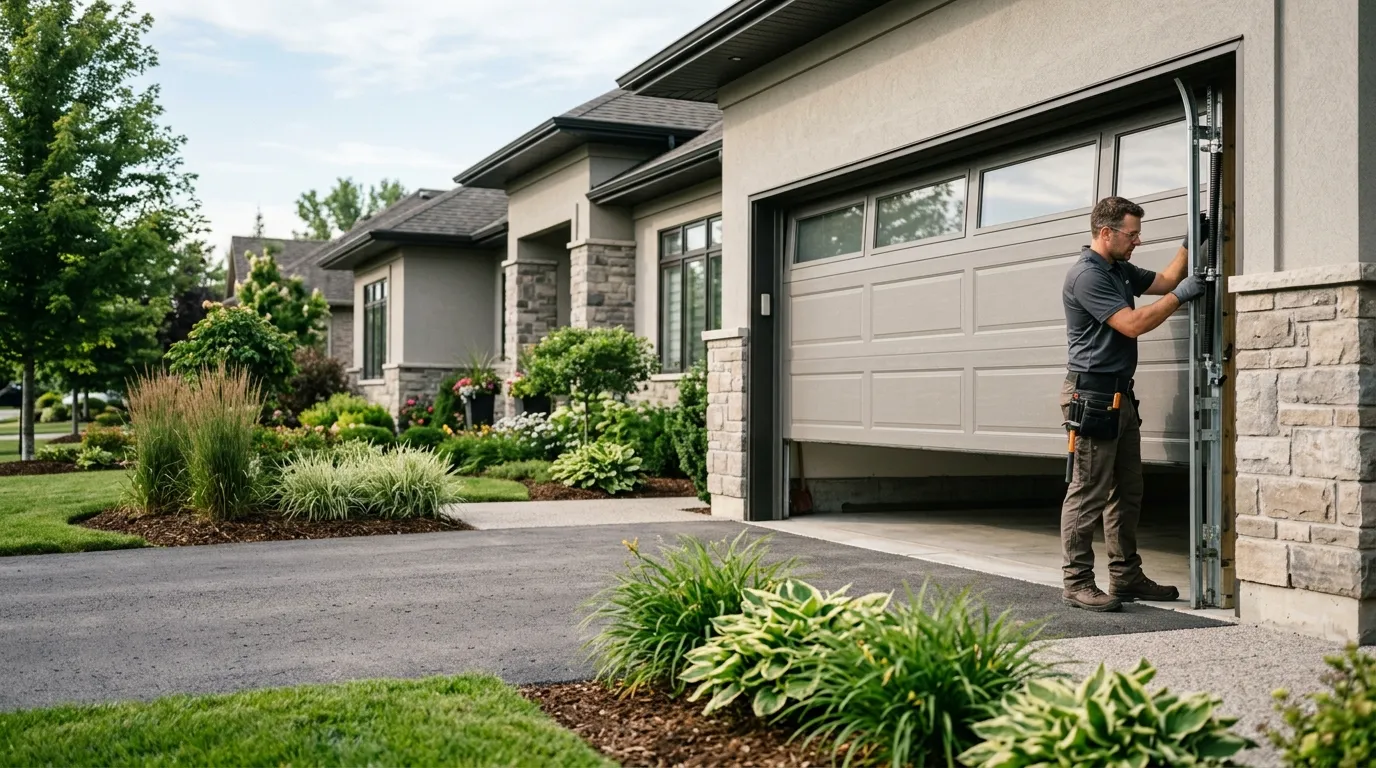
Garage Door Panel Replacement
Dented or cracked panels swapped without replacing the whole door where the frame is sound.
Learn more →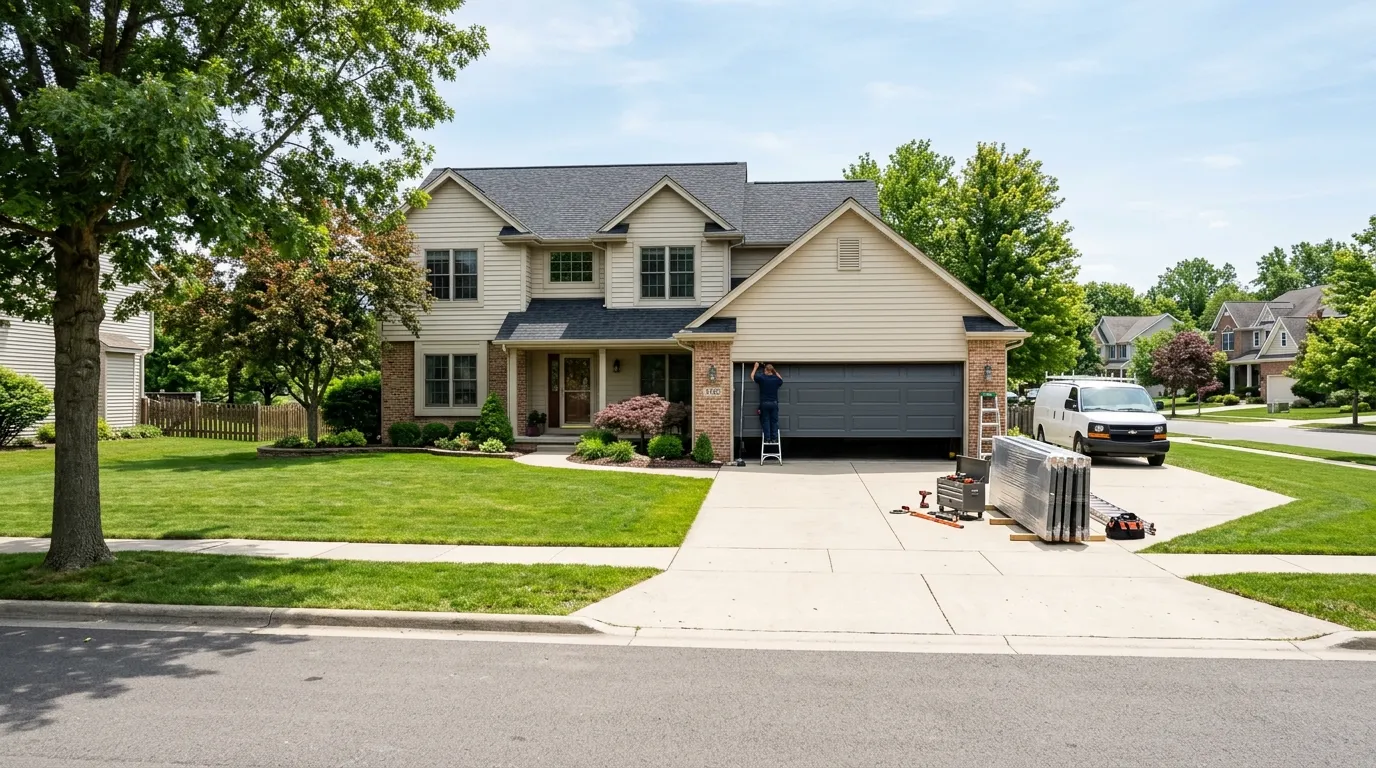
Garage Door Installation
New sectional doors sized and installed for the housing stock actually built in this area.
Learn more →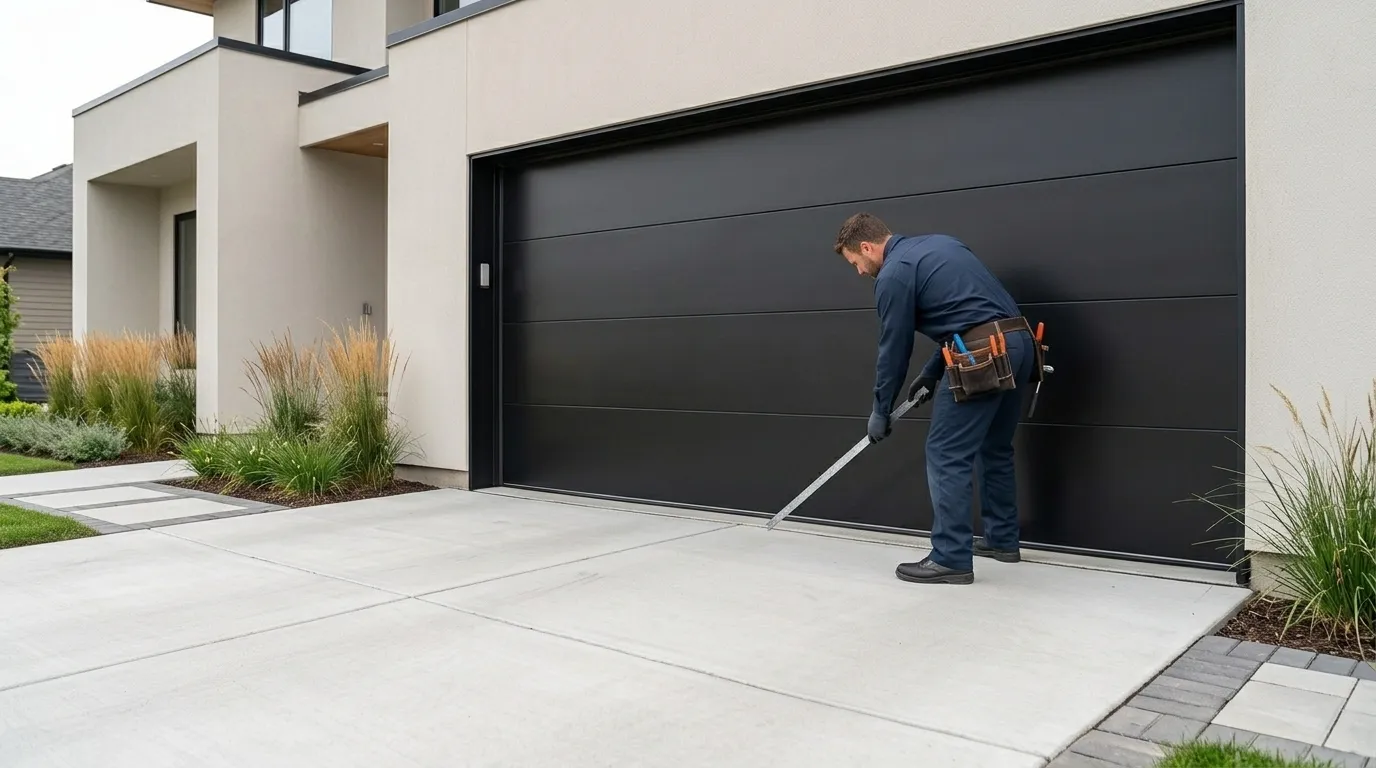
Garage Door Repair
Springs, cables, tracks, rollers, and openers fixed by a tech who explains the problem before touching anything.
Learn more →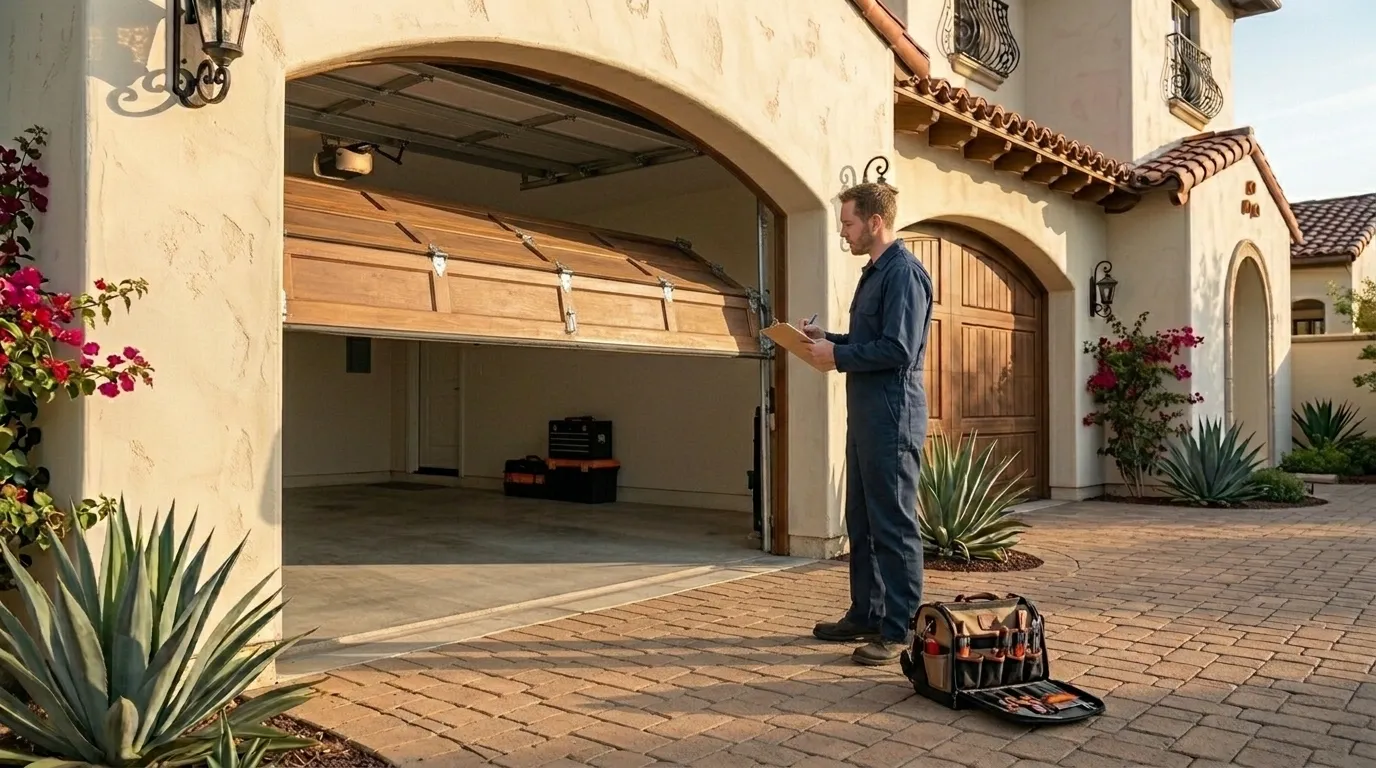
Garage Door Off Track
Doors that jumped the track reset safely, with rollers and alignment checked so it holds.
Learn more →Frequently Asked Questions
Does a detached garage door need anything different than an attached one?
The door itself can be the same. What differs is what's behind it. A detached garage in an older part of Glendale often has a lighter original header that wasn't built for a heavy modern insulated door, so it's worth checking before installing one. An attached garage's door failure shows up as a draft into the house, not just the garage, so gaps matter more there.
Why does my older detached garage door bind on one side?
With housing here running from 1943 up through 2012 and a lot of it built around 1958, decades of slow wood shrinkage in a freestanding structure will pull a track slightly out of plumb. Glendale's mild climate doesn't force a fast fix the way a hard freeze would elsewhere, so it tends to get worse gradually rather than fail all at once.
Is it worth replacing an old door or just repairing it?
Depends what's underneath it. If the header and track on an older detached garage are sound, a repair or door swap is usually the right call. If the opening's out of square from decades of settling, a new door on a bad header is a short-term fix. I'll look at the structure first before recommending either.
Have a Door That Needs a Second Opinion?
Call and describe what it is doing - we will tell you what it likely is.