
Glendale Garage Door Guide
Is Your Glendale Garage Door Worth Fixing, or Worth Replacing
Glendale's housing stock runs 1943 to 2012 with a median year of 1958. Here's how that history and the mild climate decide whether your door is worth repairing.
- Licensed & Insured
- Same-Area Service Calls
- Upfront Pricing
What the Weather Here Does to It
Glendale sits in a mild temperate band, so your door isn't fighting hard freezes or road salt the way doors do in colder states. That's the good news. The bad news is that mild doesn't mean gentle.
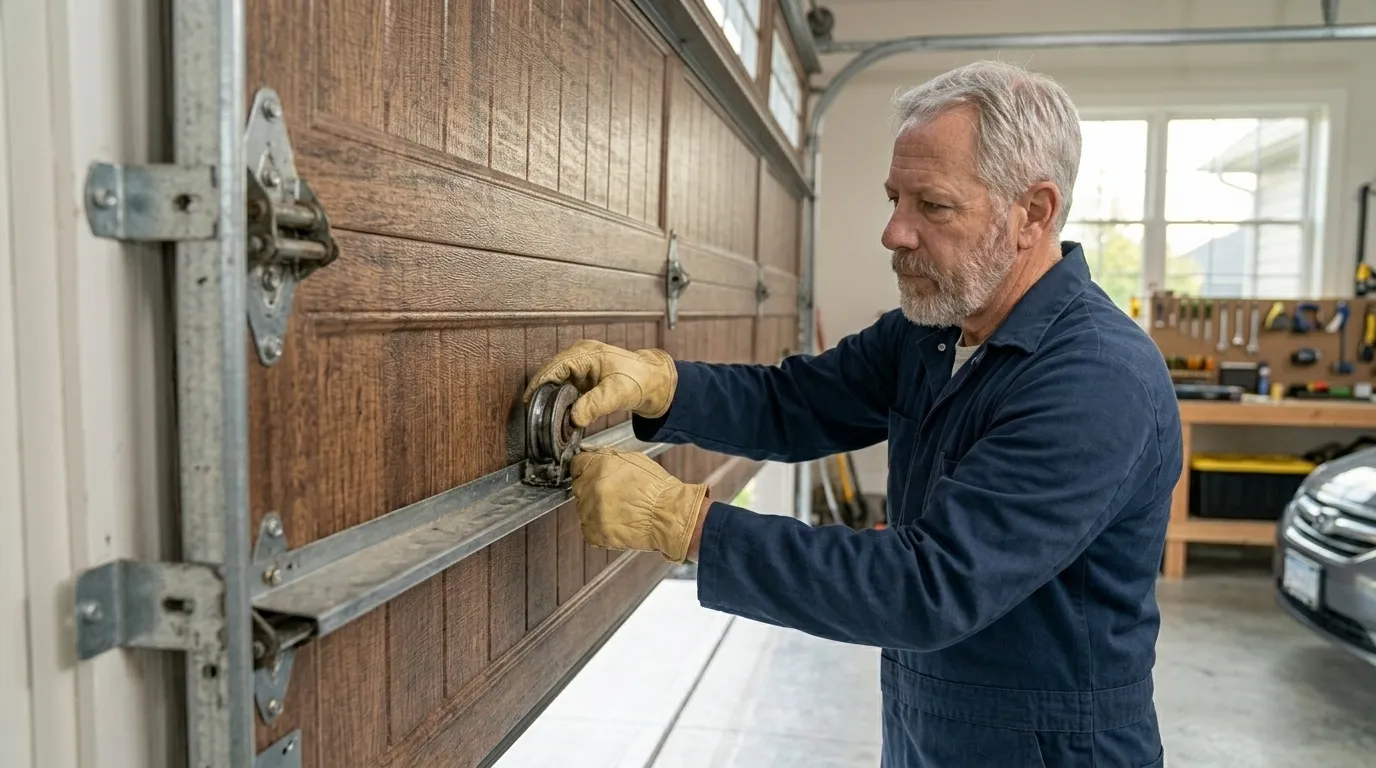
A door facing west or south gets direct sun for a long stretch of most days, and over decades that bakes the finish off wood panels and can warp thinner steel skins enough that the door no longer sits flush in the track. On a lot of the pre-1960 houses that make up most of this area's housing stock, the original wood or early steel door has taken that sun exposure for fifty or sixty years straight with nothing between it and the weather but paint. If your panels have started to bow or the bottom seal won't seat evenly anymore, that's sun fatigue, not a one-time storm event, and it tells you the door itself is tired, not just the hardware bolted to it.
The Seasonal Bit
Because the climate here doesn't swing hard between seasons, you don't get the freeze-thaw cycle that snaps springs and cracks concrete slabs elsewhere. What you do get is steadier, slower wear: hardware that loosens gradually rather than fails suddenly, rollers that wear down evenly rather than seize up in cold. That's actually a reason some older doors are worth fixing here rather than junking - the springs and tracks haven't been through the kind of temperature abuse that shortens their life in other parts of the country.
If a torsion spring on a house from the 1950s or 60s is original, it's probably lasted this long because the mild weather let it. That's not a reason to leave a worn spring alone, it's a reason not to assume the whole door is shot just because the spring finally went.
The Problem
With median construction dating to 1958 and most of the older neighborhoods built well before 1960, a lot of the doors we look at are original to the house or close to it. That era built doors and hardware to a completely different standard than what's sold today - single-layer steel or solid wood panels, no insulation, side-mounted torsion springs on brackets that newer setups don't use, and openers (if they were retrofitted at all) that don't talk to modern safety sensors.
Fixing a spring or a section on one of these is usually straightforward and worth doing. Fixing the opener, the track alignment, and a warped panel all at once on a fifty-plus-year-old door starts adding up to more than a new door costs, especially once you factor in that parts for some of that original hardware simply aren't made anymore and we're working with what still exists in a supply house, not what the manufacturer ships new.
When to Get Help
Call before the door fails all the way, not after. A spring that's starting to look stretched or uneven, a panel that's visibly bowing from sun exposure, or an opener that grinds before it lifts are all signs worth a look while the door still opens.
If you're in one of the older sections of the city where the house dates close to that 1958 median, tell us that when you call - it changes what we expect to find on the hardware side. One honest limit: if the door is original wood from that era and the frame itself has warped with the panel, we may tell you replacement makes more sense than another repair, because at that point you're paying labor to patch something that will keep moving.
How We Can Help
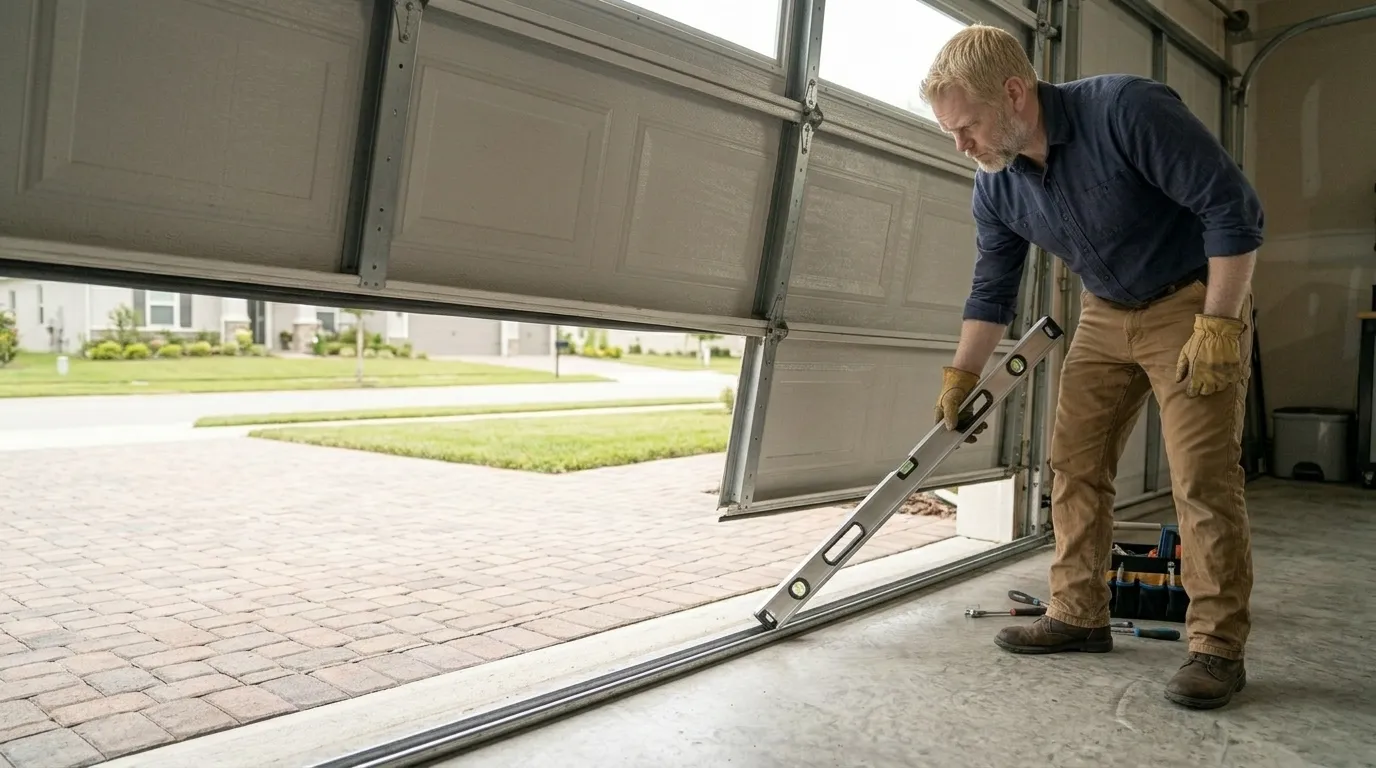
Emergency Garage Door Repair
Emergency Garage Door Repair handled by trained, insured local technicians with upfront pricing.
Learn more →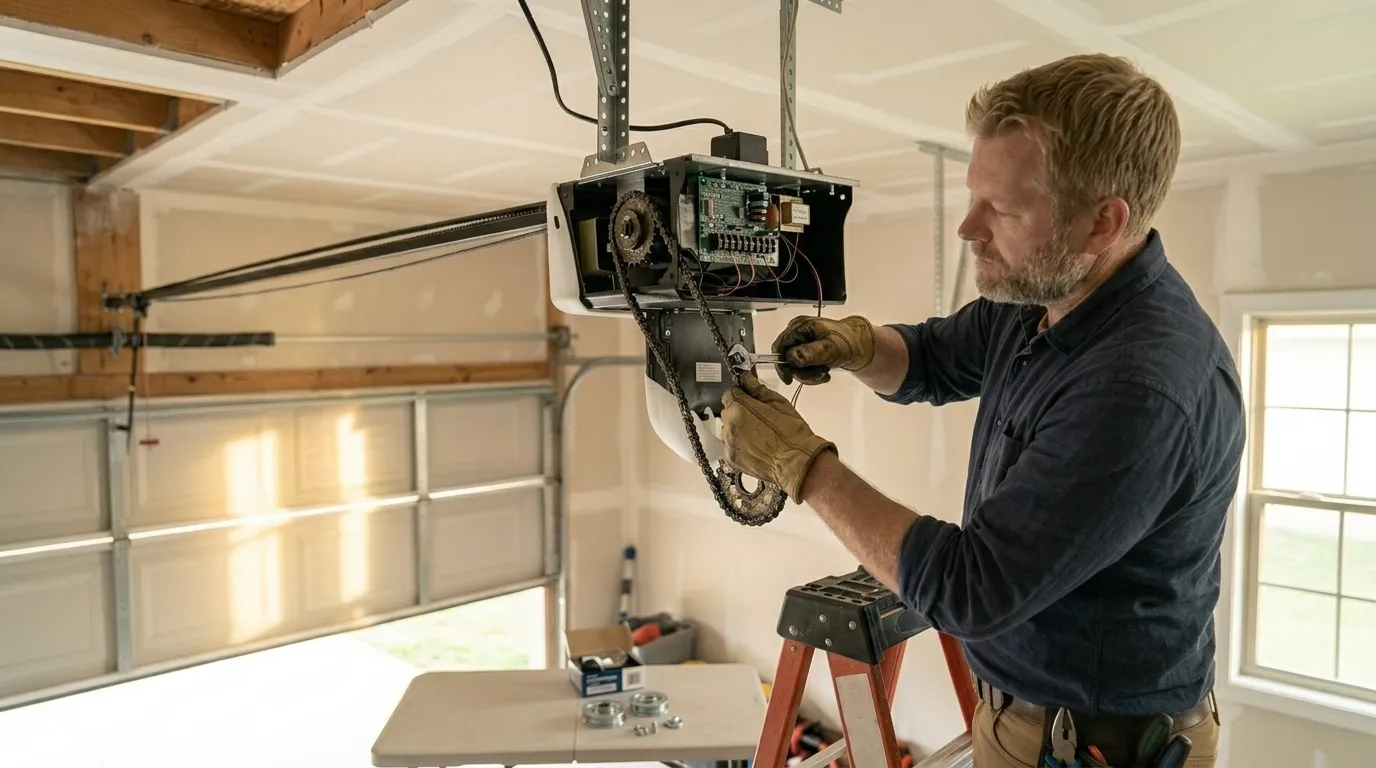
Garage Door Maintenance
Garage Door Maintenance handled by trained, insured local technicians with upfront pricing.
Learn more →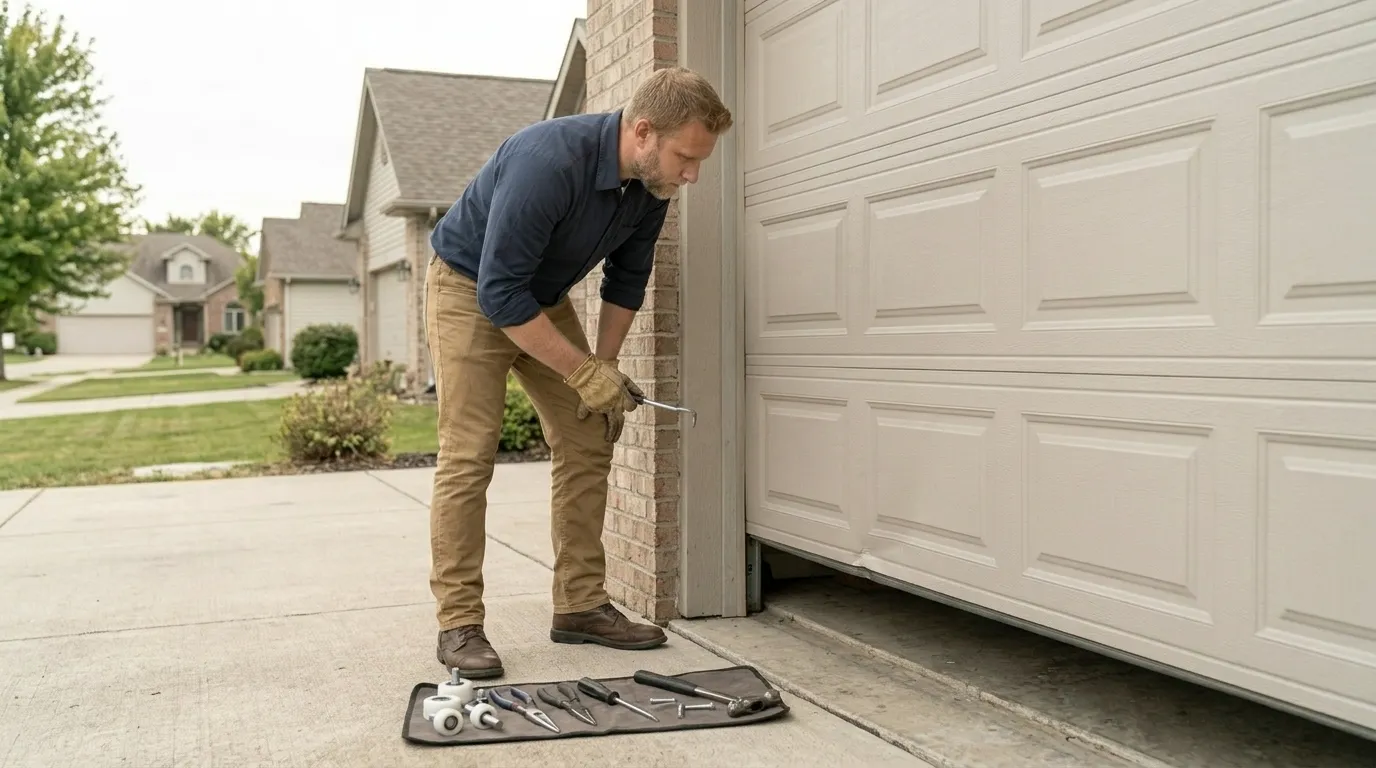
Commercial Garage Door
Commercial Garage Door handled by trained, insured local technicians with upfront pricing.
Learn more →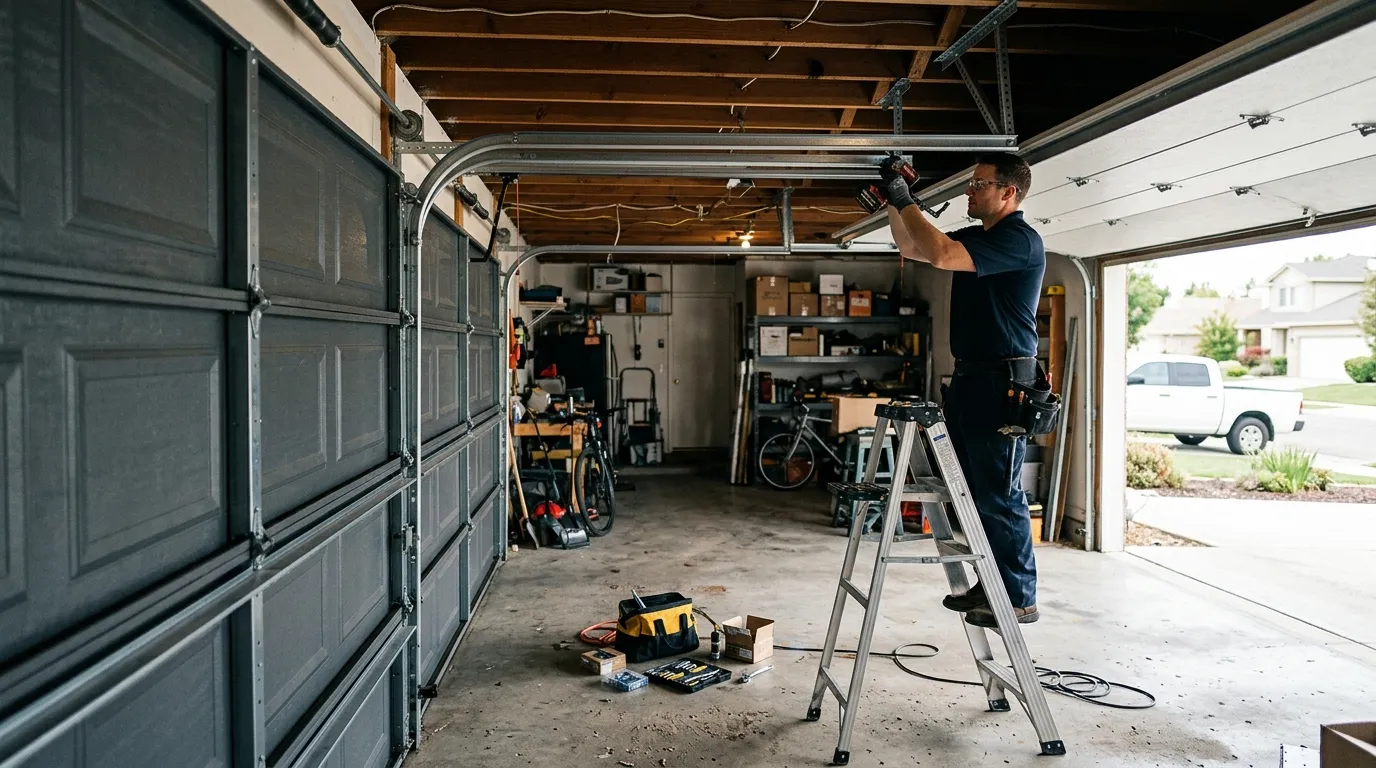
Garage Door Service
Tune-ups, lubrication, and safety checks that catch a small problem before it becomes a service call.
Learn more →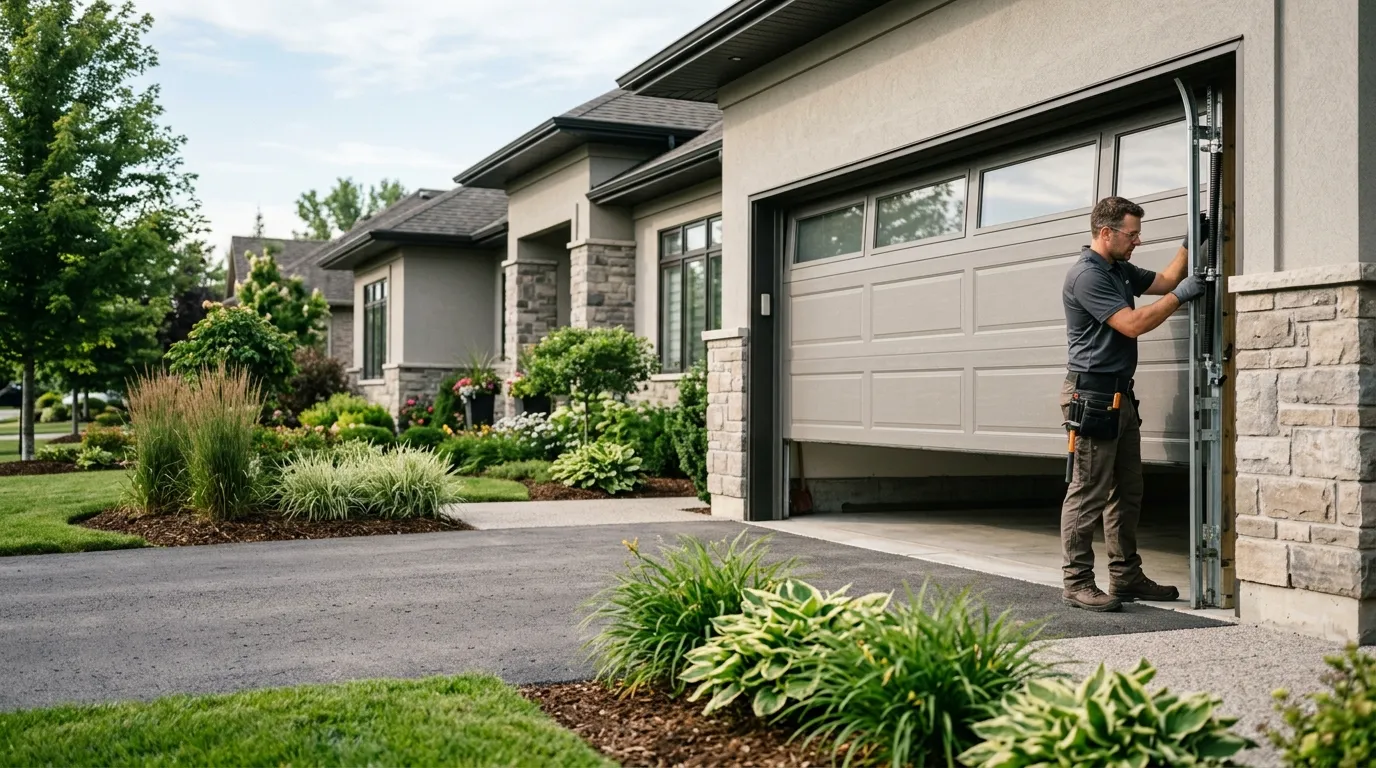
Garage Door Panel Replacement
Dented or cracked panels swapped without replacing the whole door where the frame is sound.
Learn more →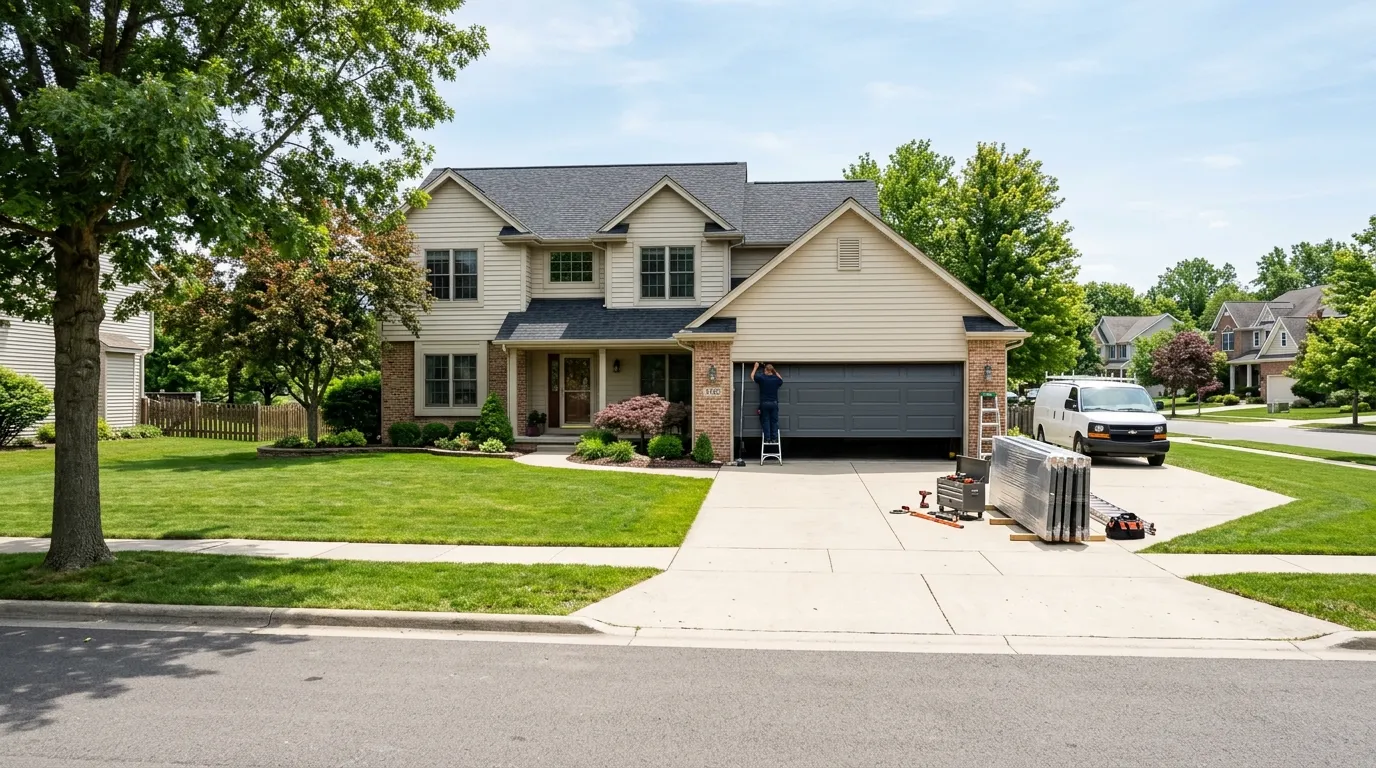
Garage Door Installation
New sectional doors sized and installed for the housing stock actually built in this area.
Learn more →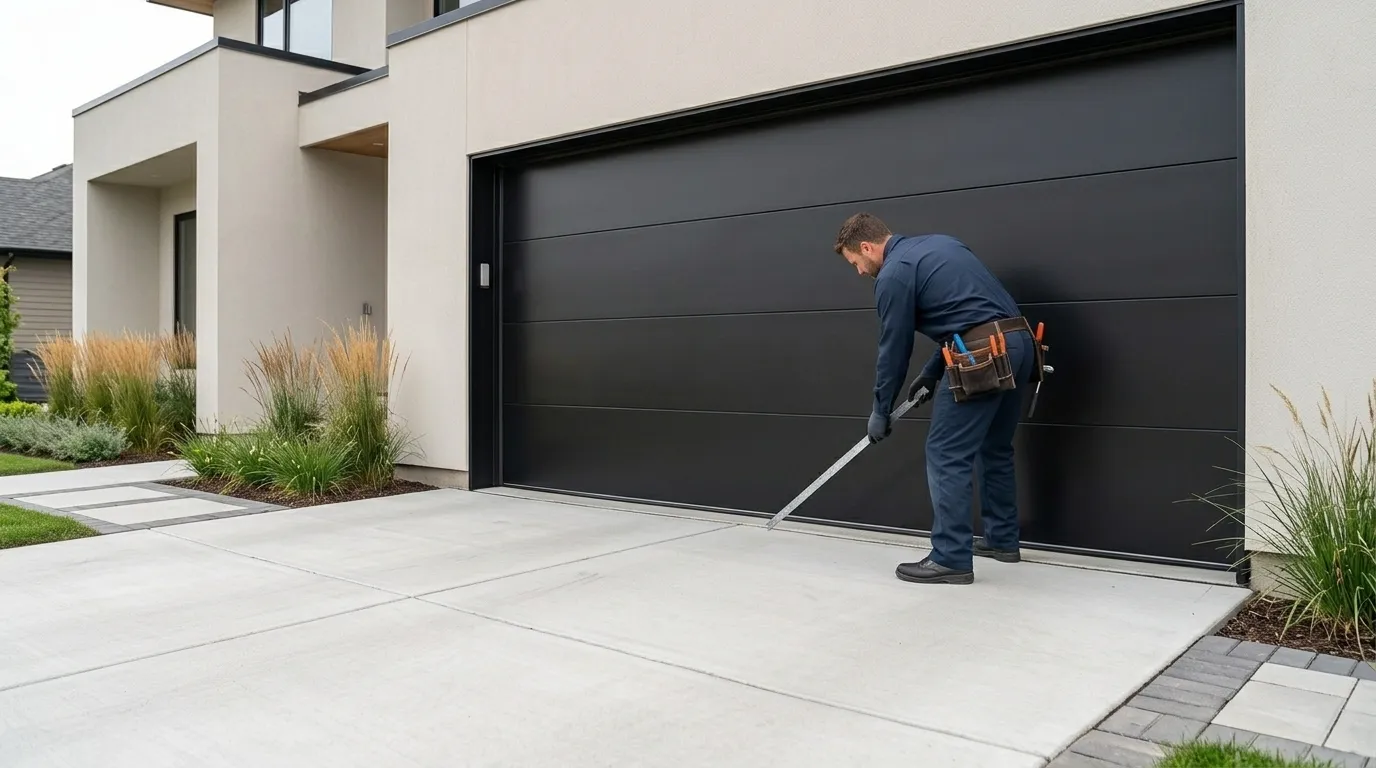
Garage Door Repair
Springs, cables, tracks, rollers, and openers fixed by a tech who explains the problem before touching anything.
Learn more →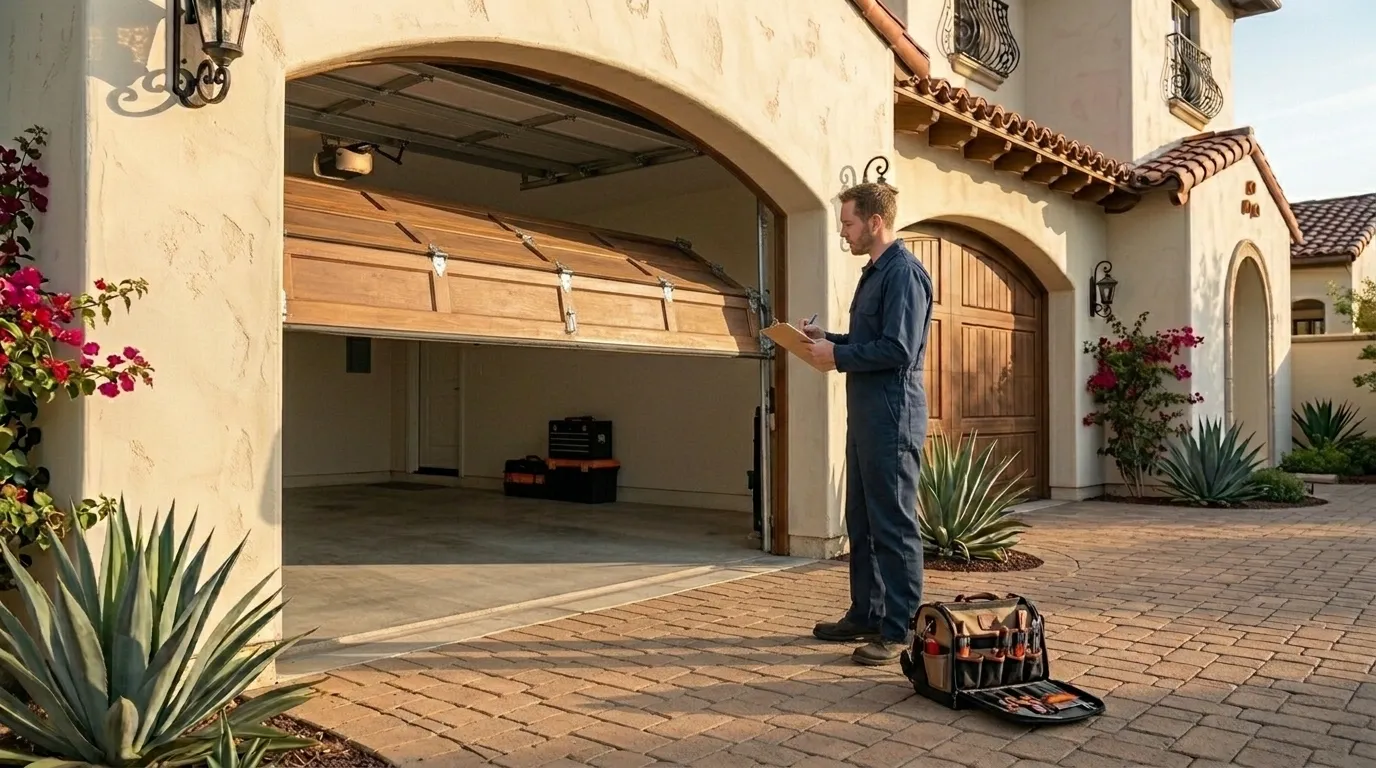
Garage Door Off Track
Doors that jumped the track reset safely, with rollers and alignment checked so it holds.
Learn more →Frequently Asked Questions
Is it worth fixing a spring on a door from the 1950s or 60s?
Usually yes. Torsion springs on older Glendale houses often failed simply from age, not damage, and the surrounding hardware from that era can take a new spring fine. It's a different call if the track or panel has also warped - then you're patching multiple problems on a fifty-plus-year-old frame.
Does Glendale's mild climate really affect door wear?
It changes what wears out first. You won't get freeze-cracked springs or salt-rusted track hardware here, but steady sun exposure on west and south-facing doors bakes finishes and warps thinner panels over the decades, especially on the pre-1960 housing stock common across the area.
How do I know if my door is too old to fix?
If the panel has visibly warped along with the frame, or the hardware is original and no longer holds adjustment, replacement usually costs less over time than repeated repairs. A door that's just lost a spring or roller, with a straight frame, is normally worth fixing.
My house is original from the 1950s - does that matter for a repair call?
Yes, tell us the approximate age. Houses from that period often have side-mounted torsion hardware and non-insulated panels that later homes don't, which changes what parts we bring and what we expect to find once the door's open.
Have a Door That Needs a Second Opinion?
Call and describe what it is doing - we will tell you what it likely is.