
Glendale Garage Door Guide
What We Check First on a Glendale Service Call
A Glendale garage door tech's first-look checklist, built around this city's 1943-2012 housing stock and mild coastal-basin climate - not generic maintenance advice.
- Licensed & Insured
- Same-Area Service Calls
- Upfront Pricing
What the Weather Here Does to It
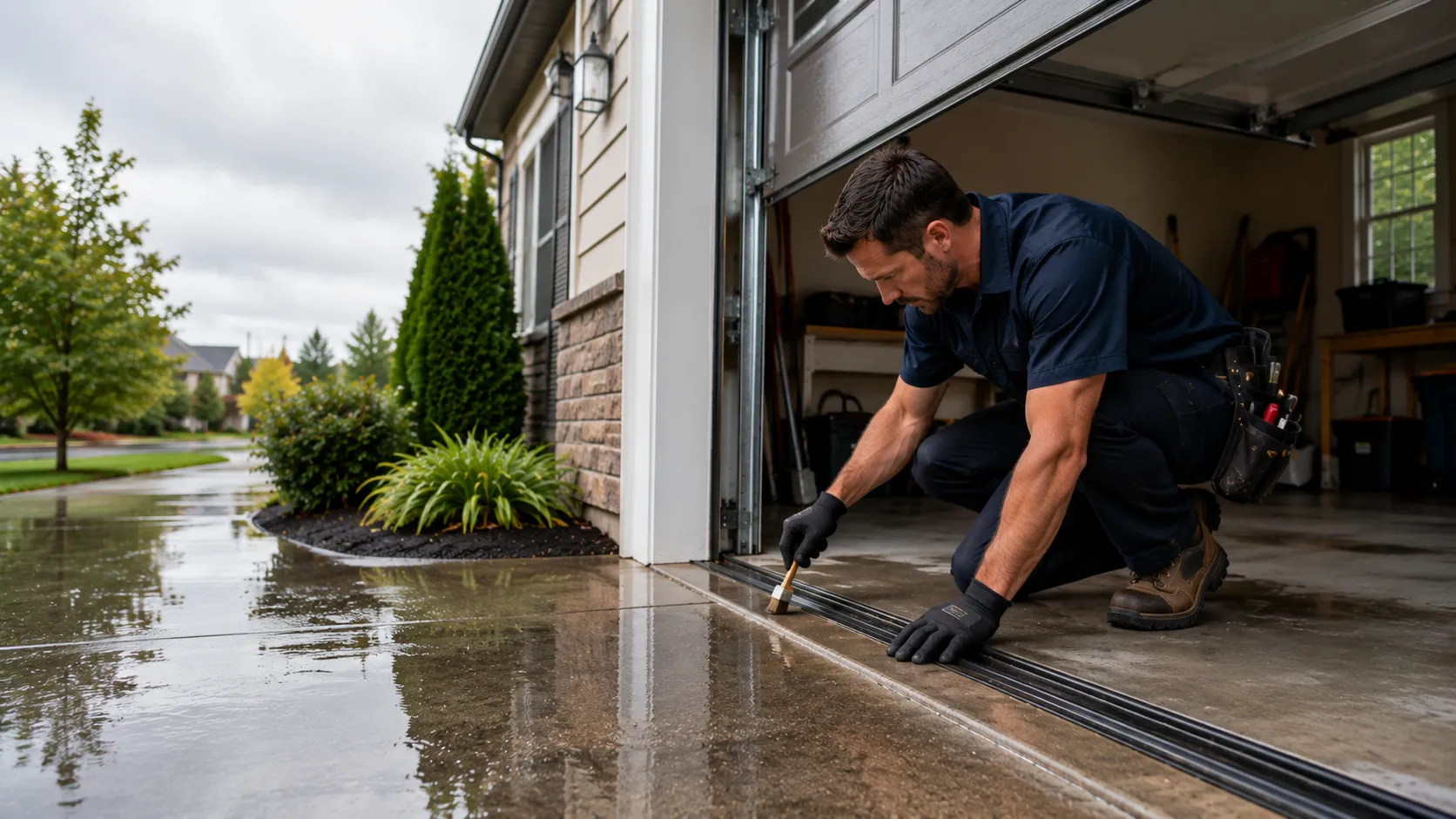
Glendale sits in a mild temperate band, which sounds like good news for a garage door, and mostly it is - no hard freeze-thaw cycle to crack a slab or swell a wood jamb. But mild doesn't mean static. The swing between a hot, sun-baked afternoon and a cool evening still puts a daily flex on steel track and aluminum panel skins, especially on doors that face west or sit up against a driveway with no shade.
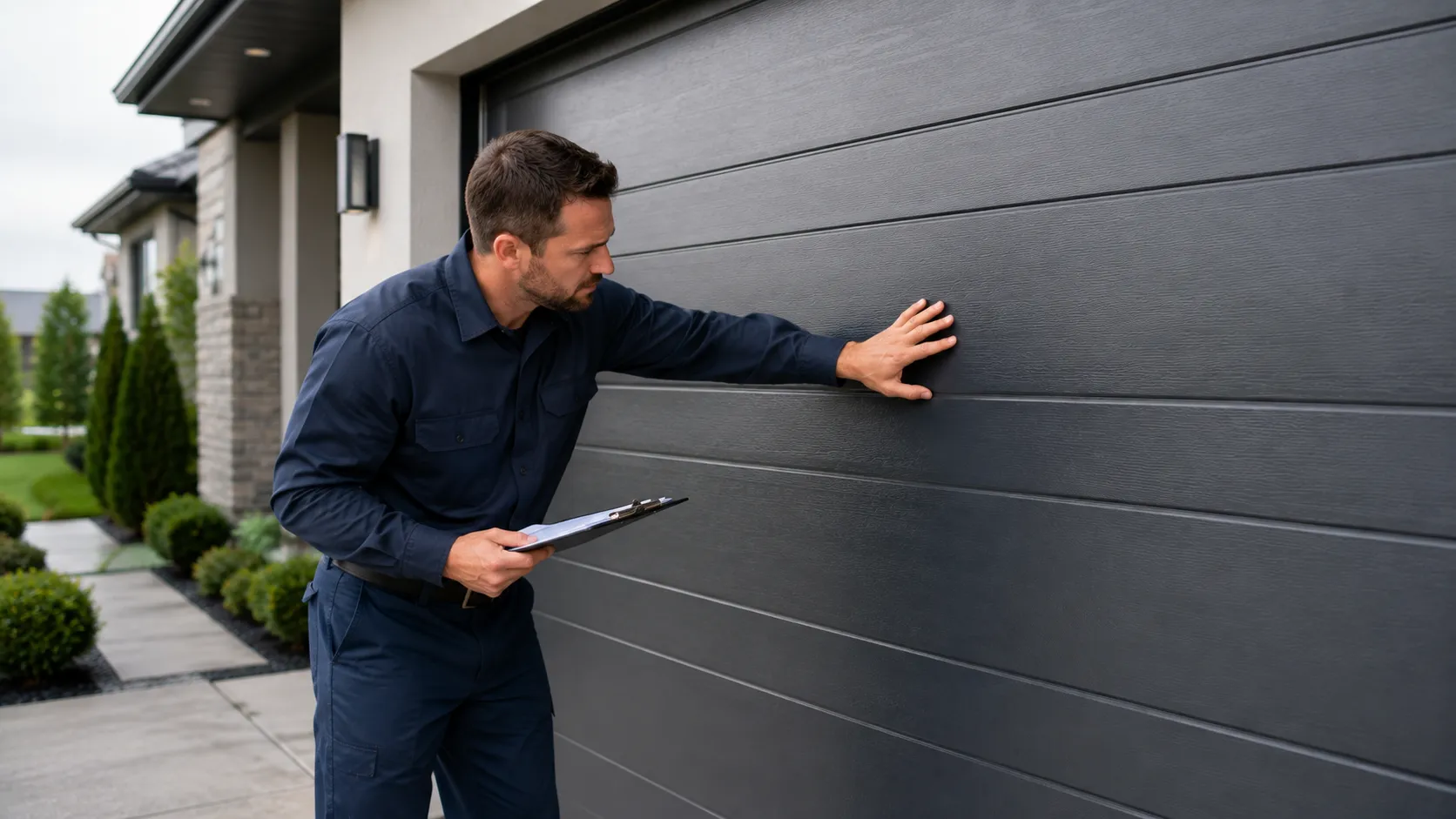
Over enough years that flex works screws loose in the track brackets and can throw the door slightly out of the plumb it was set to. So the first thing we check isn't the spring - it's whether the vertical tracks are still bolted tight to the jamb and running true, top to bottom. A door that's been racking slightly for a decade will fight the opener long before it fails outright, and in this climate that slow rack, not rust, is usually the root cause.
The Seasonal Bit
There isn't a hard winter shutdown or a monsoon season here that forces obvious seasonal maintenance, so a lot of Glendale owners never think about the door until it stops working. What actually shifts through the year is thermal expansion in the metal - torsion springs and the extension coils on older setups tighten and loosen a fraction with heat, which changes how much force the opener needs to lift the door smoothly. On a house from the 1958 median build year for this area, that spring was likely sized once, decades ago, for a wood door that's since been swapped for a heavier steel or insulated one.
We check the spring's current lift balance against the door that's actually on the track now, not the door the hardware was built for. That mismatch, not age alone, is what shows up as a door that opens fine by hand but strains or reverses under the opener.
The Problem
Most of the housing stock in this service area went up between 1943 and 2012, with the bulk of it - across the 52 named areas we work, including the older sections near Verdugo Woodlands and Chevy Chase - built before 1960. That means a lot of garages still have their original torsion hardware or a replacement that was matched to it decades ago, sitting on a house that's had at least one door swap since.
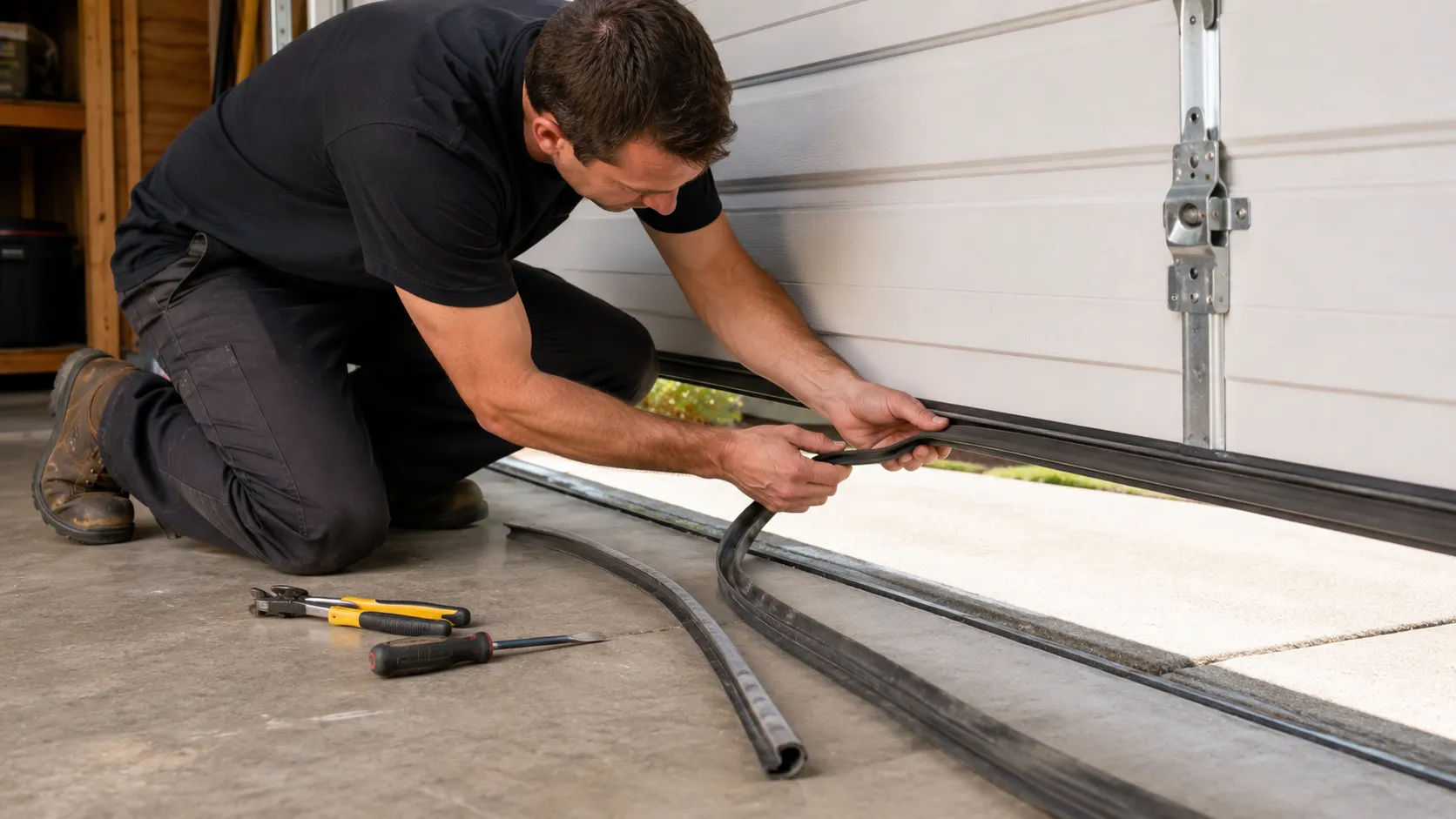
We check the spring gauge and drum size against the actual door weight first, because on pre-1960 construction that pairing is the single most common reason a door slams down instead of lowering, or an opener burns out early. We also check the track gap at the jamb on these older frames, since original wood jambs in this era have often shifted enough over the decades that the track is no longer sitting flush, even if nobody notices until a roller jumps it.
When to Get Help
If the door is off track, slamming on the way down, or the opener strains and reverses on a lift, that's a spring or balance issue and it's not a DIY fix - torsion springs are under enough tension to cause real injury. Call before you touch the spring adjustment bolts yourself. If the door is just noisy but still tracks straight and lifts evenly by hand, that's usually rollers or hinges, and it can often wait for a scheduled visit rather than an emergency one.
One honest limitation: if the track brackets have pulled out of a jamb that's shifted from decades of settling, sometimes the fix isn't a bracket reset - it's a jamb repair we don't do, and we'll tell you that rather than bolt a track to wood that won't hold it. On a house with original 1950s-era hardware, replacement is often cheaper over five years than repeated spring and cable repairs on parts nobody stocks anymore.
How We Can Help
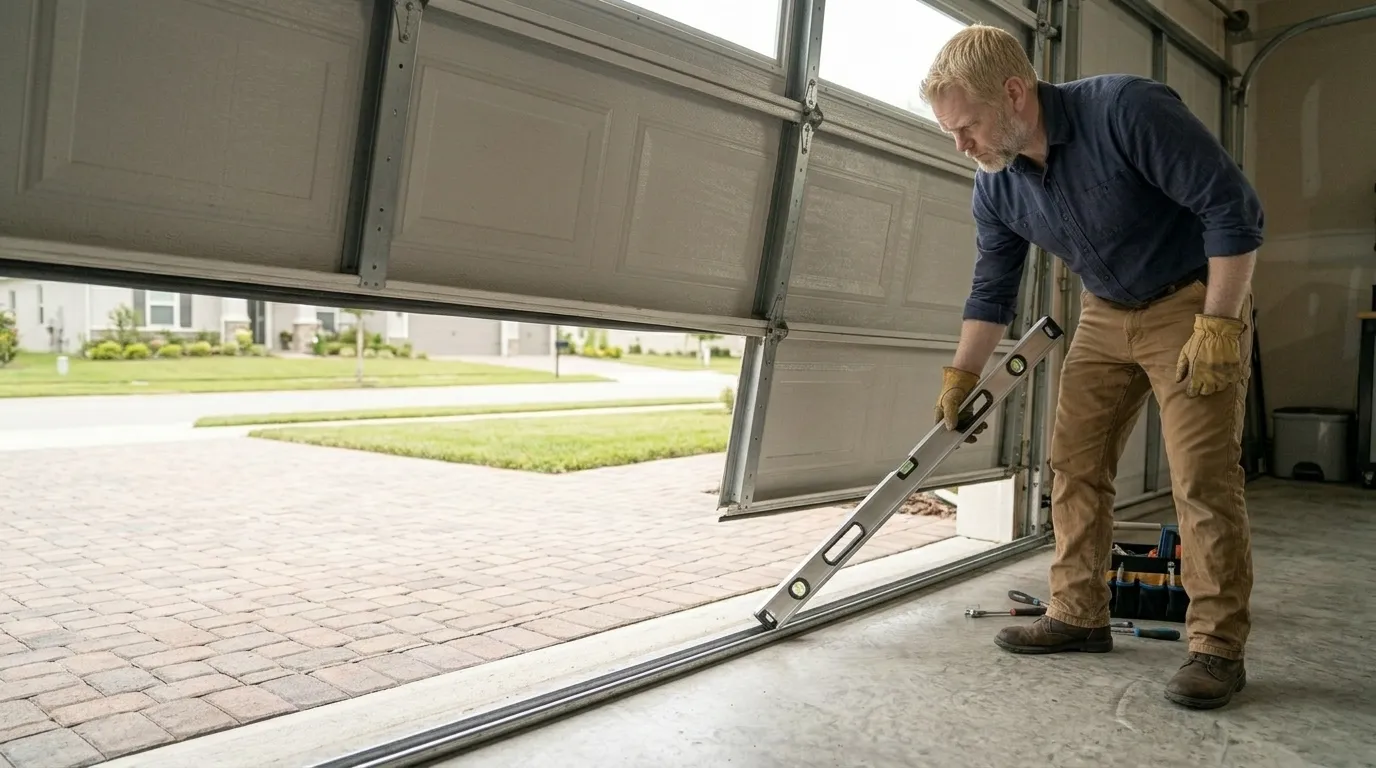
Emergency Garage Door Repair
Emergency Garage Door Repair handled by trained, insured local technicians with upfront pricing.
Learn more →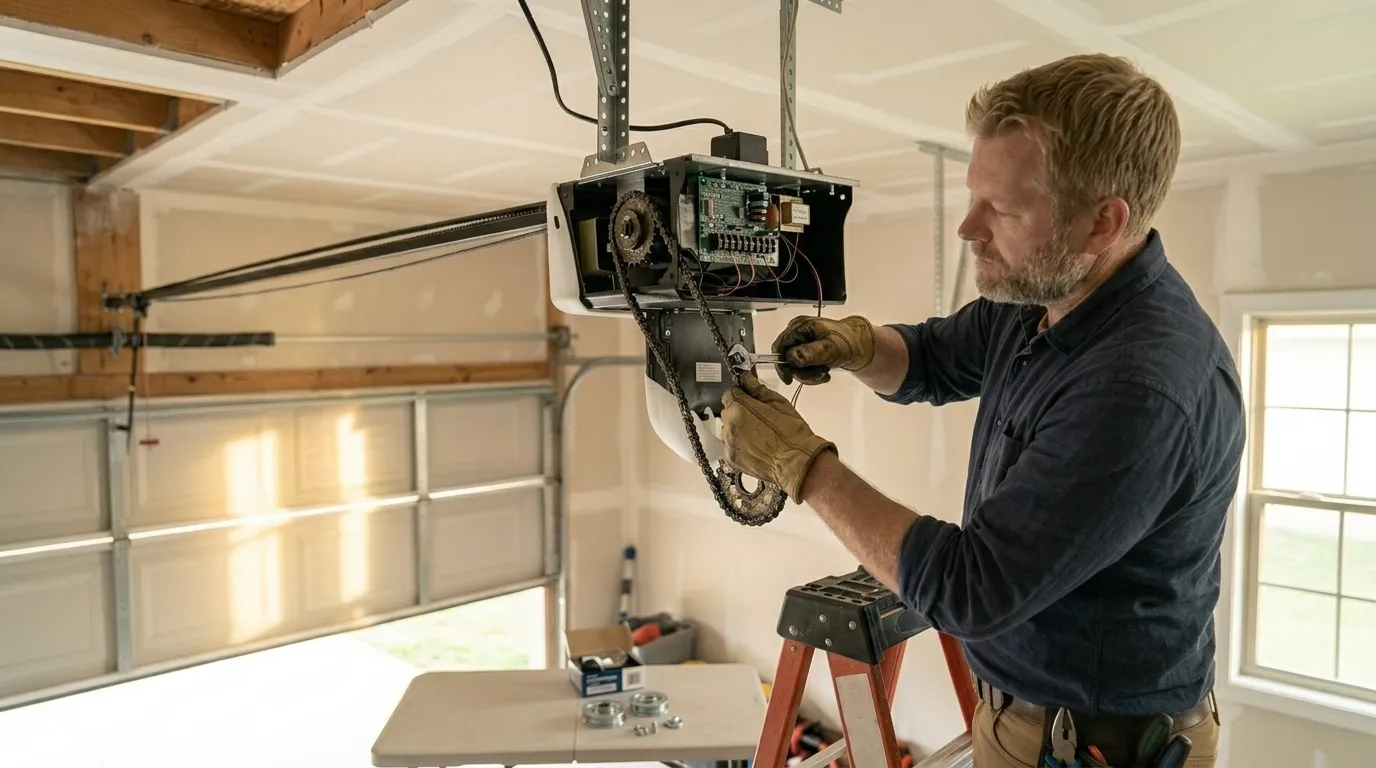
Garage Door Maintenance
Garage Door Maintenance handled by trained, insured local technicians with upfront pricing.
Learn more →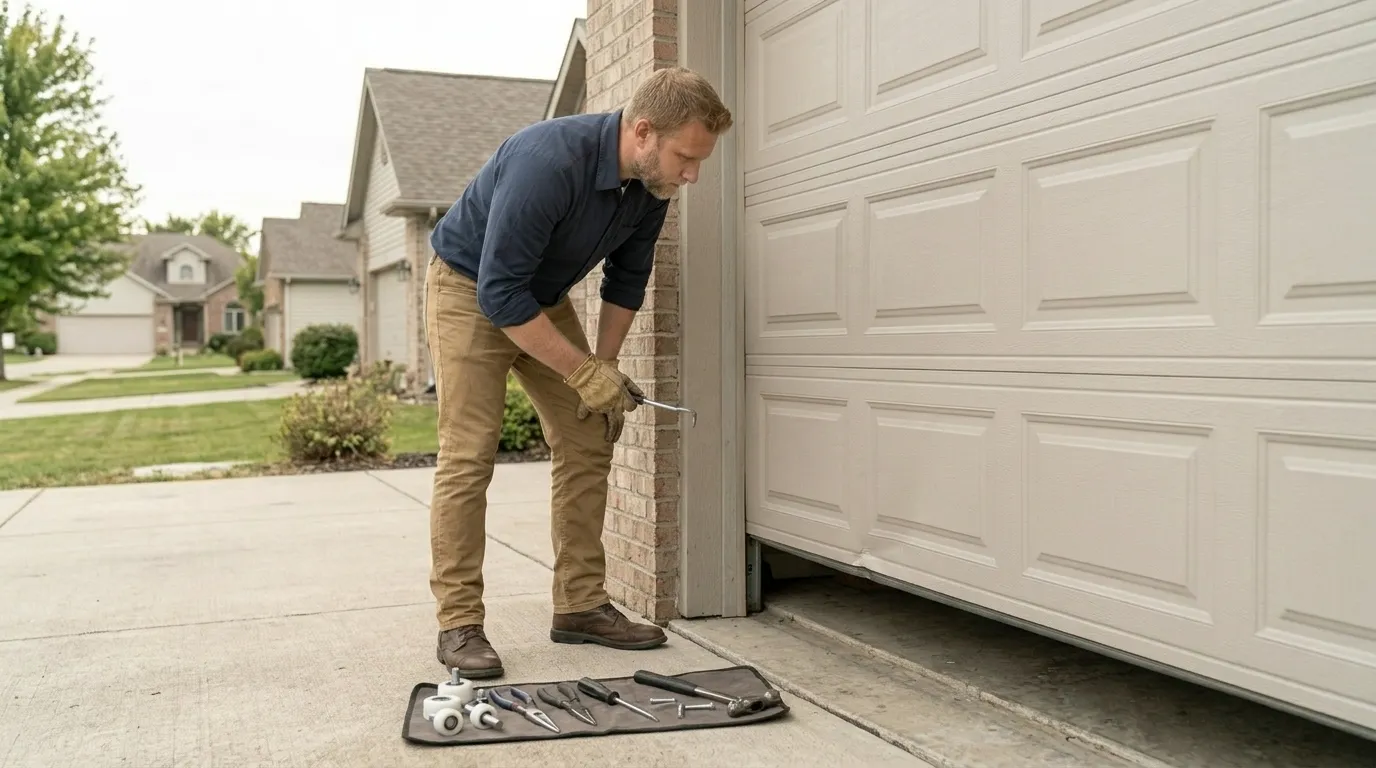
Commercial Garage Door
Commercial Garage Door handled by trained, insured local technicians with upfront pricing.
Learn more →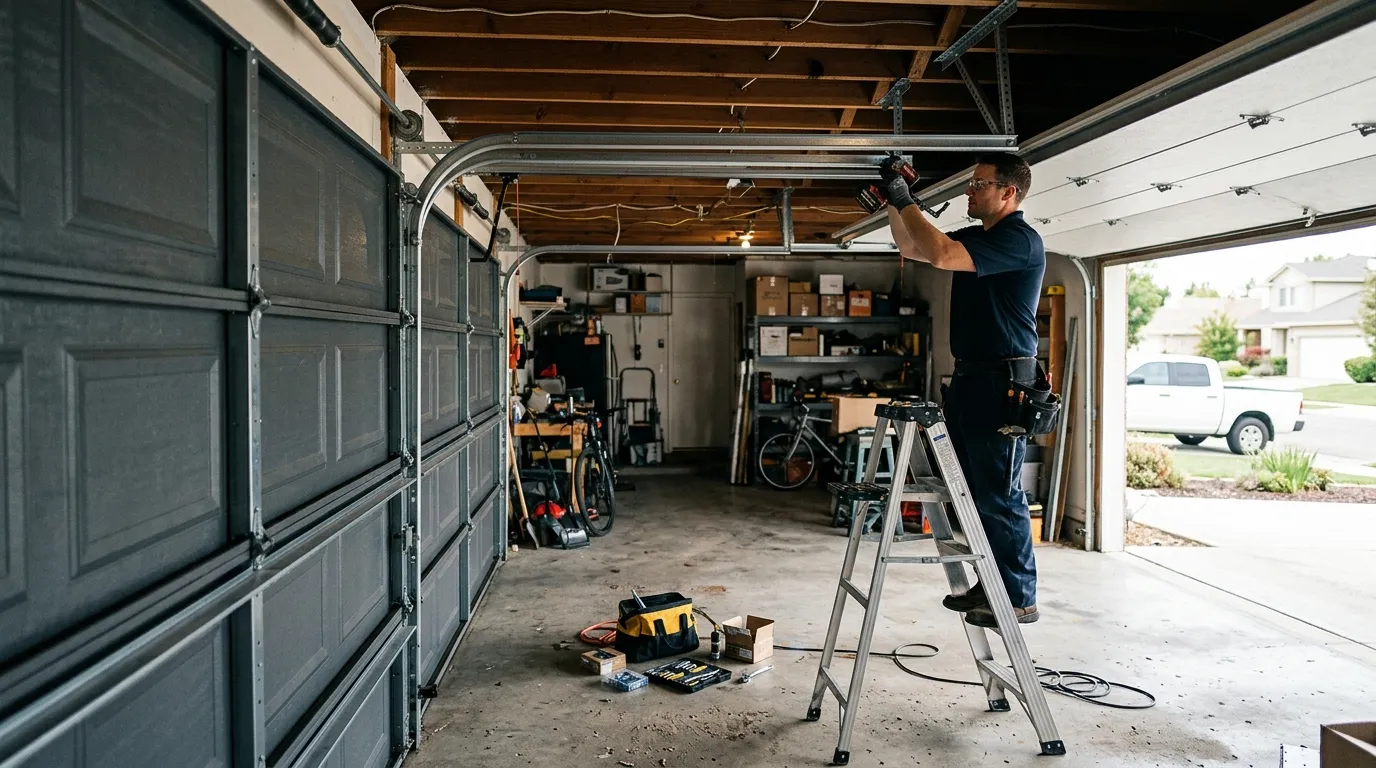
Garage Door Service
Tune-ups, lubrication, and safety checks that catch a small problem before it becomes a service call.
Learn more →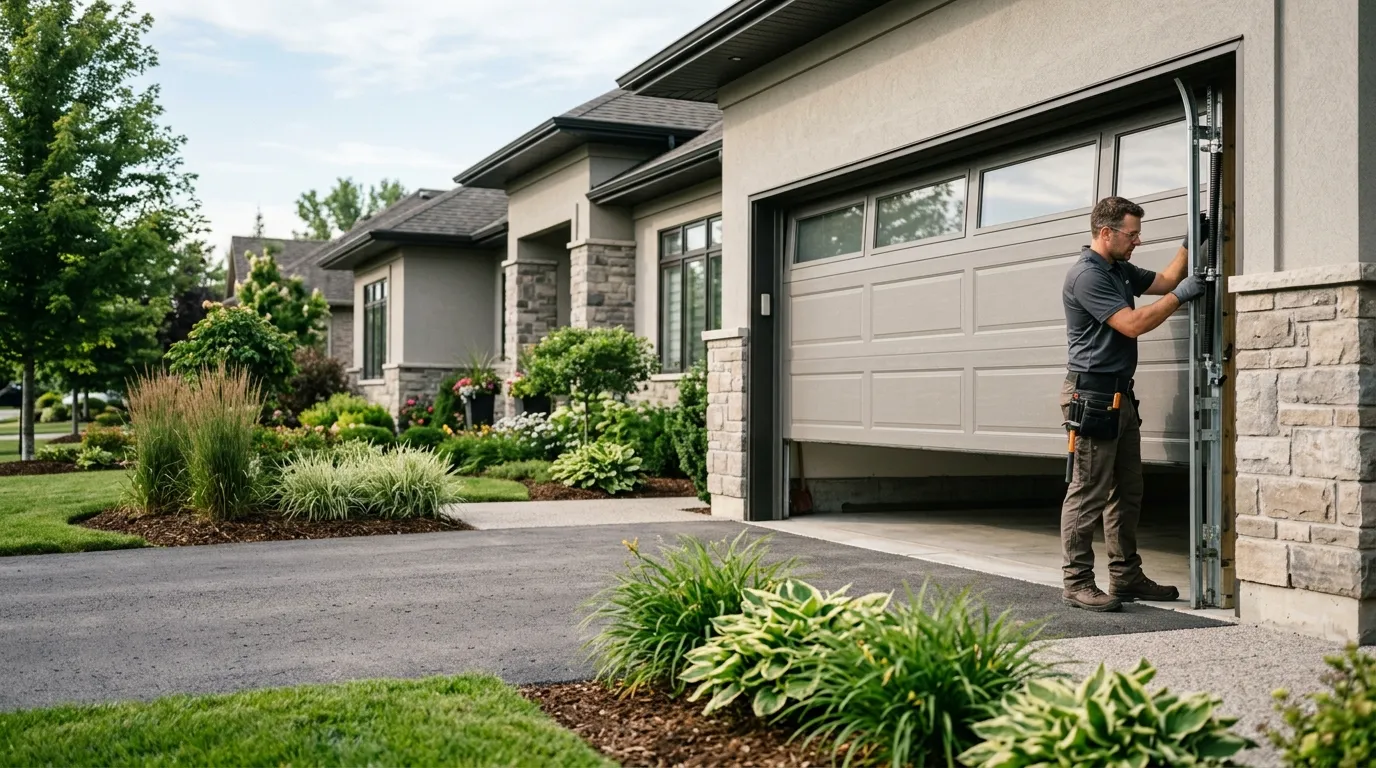
Garage Door Panel Replacement
Dented or cracked panels swapped without replacing the whole door where the frame is sound.
Learn more →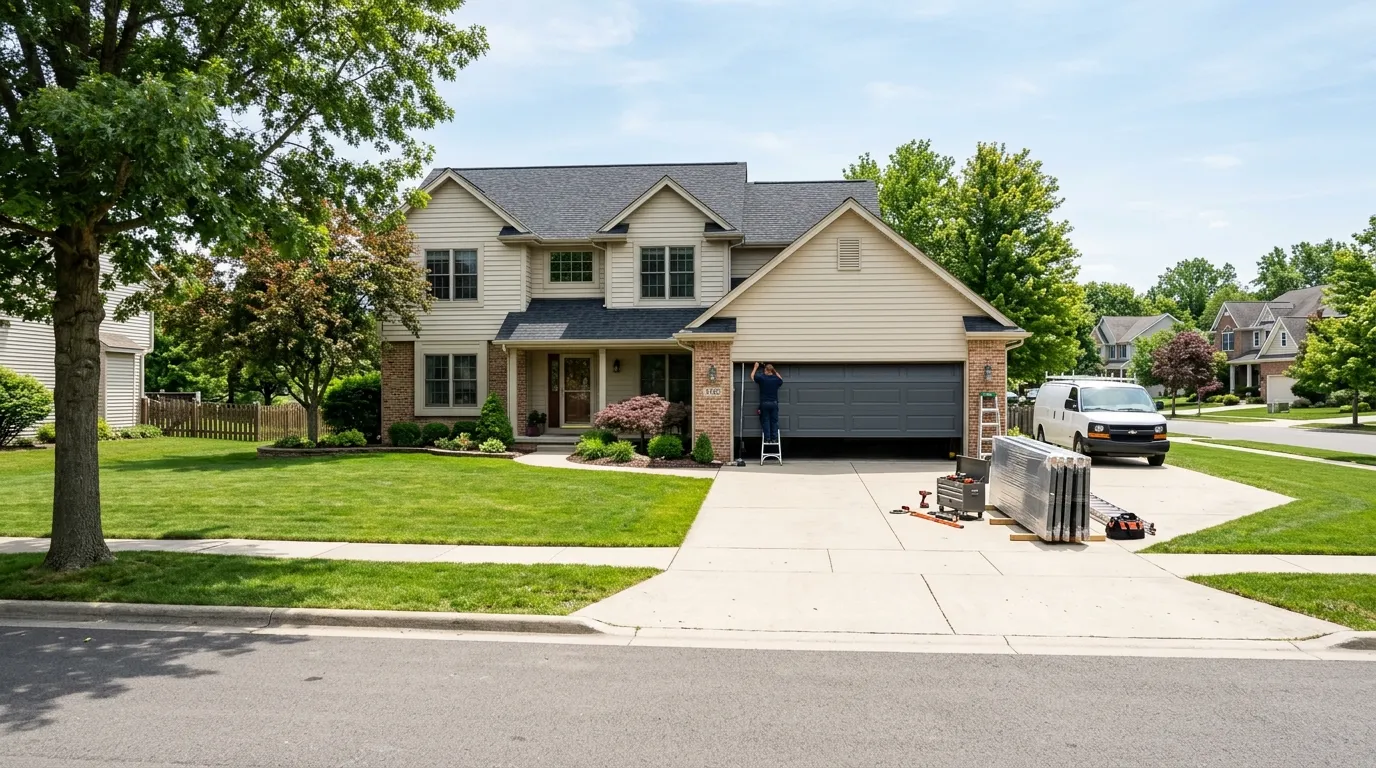
Garage Door Installation
New sectional doors sized and installed for the housing stock actually built in this area.
Learn more →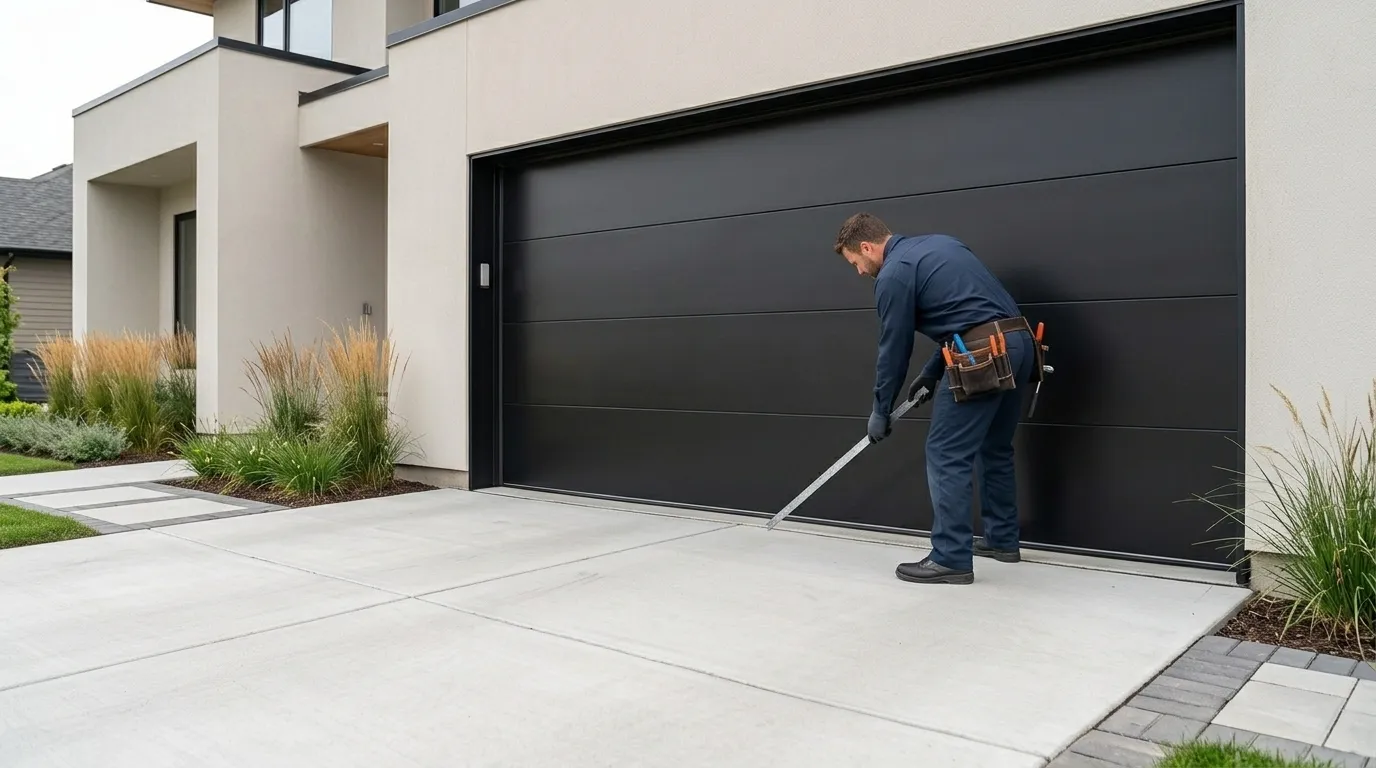
Garage Door Repair
Springs, cables, tracks, rollers, and openers fixed by a tech who explains the problem before touching anything.
Learn more →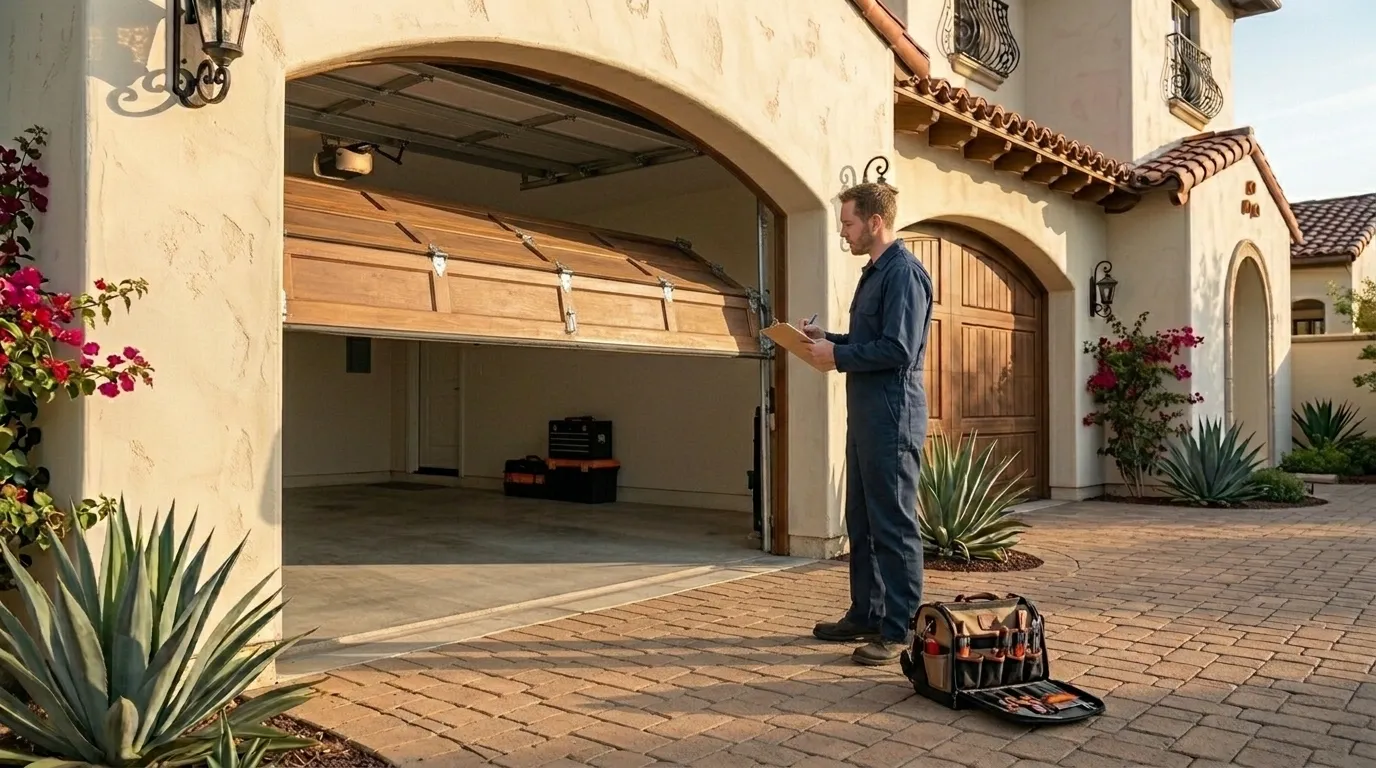
Garage Door Off Track
Doors that jumped the track reset safely, with rollers and alignment checked so it holds.
Learn more →Frequently Asked Questions
Why does my door only act up on hot afternoons?
Steel track and springs expand slightly with heat, and on a garage that gets full afternoon sun the extra flex can be enough to bind a roller or tighten a spring's lift past what the opener expects. It's rarely damage - it's the metal shifting through its daily range, which shows up more on unshaded driveways common in this area.
Is my garage door original to the house?
If your house falls in the pre-1960 range that covers most of this service area, there's a real chance the track and spring hardware, or at least its sizing, dates back close to the original build even if the door itself has been replaced since. We check the hardware date and match against the door weight on the first visit.
Do I need to do anything seasonal here?
Not in the way colder climates do - there's no freeze cycle to prep for. What matters more here is catching slow drift: loose track bolts, a spring that's fallen out of balance with a heavier replacement door, or a jamb that's shifted with decades of settling.
How do I know if it's a repair or a replacement?
If the tracks are still bolted true and the jamb is sound, a spring or roller repair usually makes sense. If the jamb itself has shifted enough that brackets keep pulling loose, repeated repairs stop paying off - we'll say so rather than keep billing for the same fix.
Have a Door That Needs a Second Opinion?
Call and describe what it is doing - we will tell you what it likely is.